📍 The Adults Are the Storm, As Far as Children Are Concerned
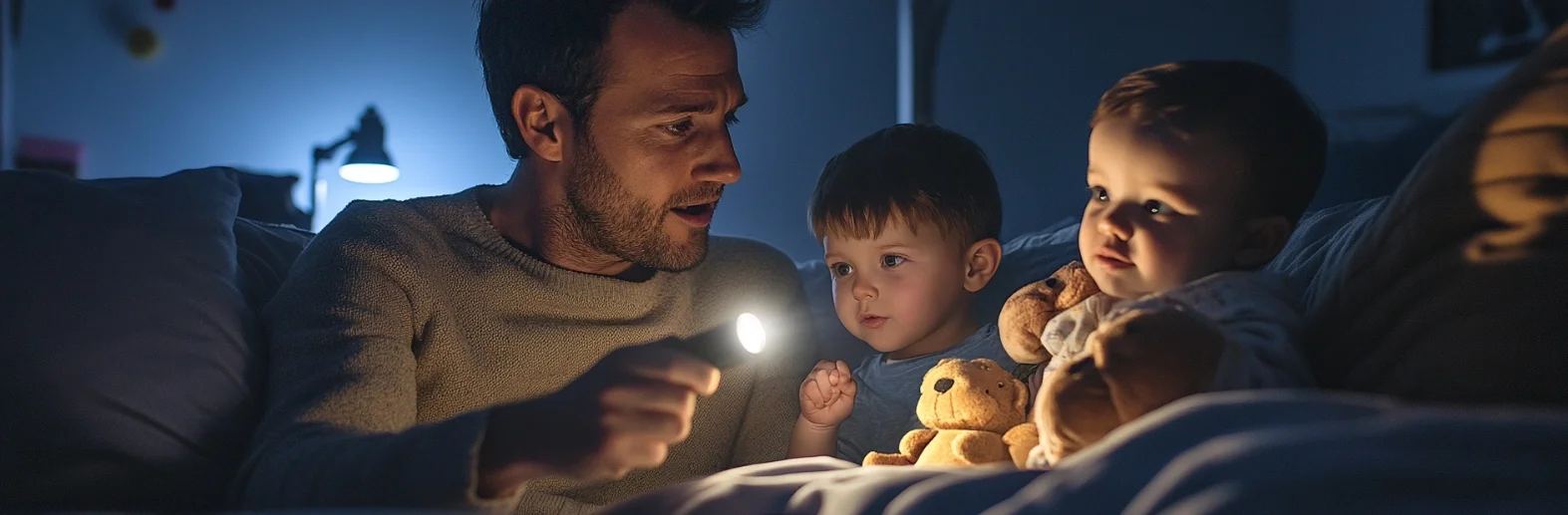
Young children don't necessarily understand what a hurricane is. What they understand with complete clarity is the emotional state of the adults around them. If you were visibly frightened, they absorbed that. If you argued about evacuation, if you made panicked calls, if you paced while watching the weather — your children were watching you, not the storm, and calibrating their level of danger from your face.
This is an invitation to now, in the aftermath, give your children the information and reassurance their nervous systems recorded but couldn't process in the moment.
💡 The Child Who Was Prepared Does Better
Children who grow up with honest, calm conversations about hurricanes — what they are, what the family does to prepare, what happens afterward — consistently grow up more resilient than children who were sheltered from all information. The fear of the unknown is almost always worse than a well-explained known.
Ages 2–4: Feelings First, Facts Second
Toddlers don't need meteorological explanations. They need their feelings named and validated. "The storm made a lot of loud noise, didn't it? That was scary. You're safe now." Keep language simple, direct, and reassuring. Watch for behavioral signals: clinginess, tantrums, sleep disturbances, regression. These are normal and temporary responses to stress.
Ages 5–8: Simple Explanations and Concrete Safety
At this age, children can understand a simple explanation: "A hurricane is a very big, powerful rainstorm that spins. When one comes, we put up the shutters to protect our windows, we stock food and water, and we stay inside where it's safe. After it passes, we clean up together." Emphasize the safety measures the family took — this age group is particularly reassured by evidence of adult competence.
Ages 9–12: More Facts, Real Conversations
This age group can handle more information and actively wants it. They've heard things from other kids or half-overheard adult conversations. Explain the Category system. Look at weather maps together. Discuss what the family will do differently next time. This age responds very well to being included in preparedness planning. If there was property damage, be honest: "We lost part of the roof. It'll be fixed, and we are okay."
Ages 13+: Partners in the Conversation
Teenagers deserve adult-level information. Be honest about financial stress, the insurance process, the timeline. Ask for their genuine input. Watch for signs of harder processing than they show outwardly: withdrawal, significant sleep or appetite changes. Many Florida schools increase mental health counseling resources after major storms — contact the school as soon as it reopens.
⚠️ Phrases That Backfire
"Don't worry about it" — dismisses valid feelings. "It's fine, it's over" — minimizes what they experienced. "Be brave" — sends the message that fear is wrong. "We almost lost everything" — too much for young children.
✓ What Actually Helps
"That was scary, and you handled it really well." · "You have questions — let's talk about them." · "Here's what we're going to do now." · "What was the hardest part for you?" · "What can I do to help you feel safer?"