By State
🌴 Florida ⭐ Texas 🎷 Louisiana 🌊 Mississippi 🏖️ Alabama 🍑 Georgia 🌴 South Carolina 🏔️ North Carolina 🦅 Virginia 🦀 Maryland 🗽 New Jersey 🌆 New York 🦞 Massachusetts
Shutter Types
🪗 Accordion ⬇️ Roll-Down 🌺 Bahama 🏛️ Colonial 🛡️ Storm Panels 🕸️ Hurricane Screens 🪟 Impact Windows ↔ Accordion vs Roll-Down ↔ Shutters vs Windows
Guides
🧮 Cost Calculator 🤖 AI Pricing 📋 The Process 🔨 DIY Shutters 🪵 Plywood Guide 🔧 Maintenance 🛒 Supplies 🏷️ AirTags & Security 📋 Family Emergency Plan
After the Storm
🆘 Disaster Help Hub 🛡️ Post-Storm Safety 🌡️ Heat Safety 🐾 Pets & Livestock 🏠 Roof Tarping 💧 Water Damage 🌳 Tree Removal Florida Recovery Texas Recovery NC Recovery
Verify Contractor
Florida Texas Georgia North Carolina Virginia New Jersey New York Massachusetts
Free Estimate →
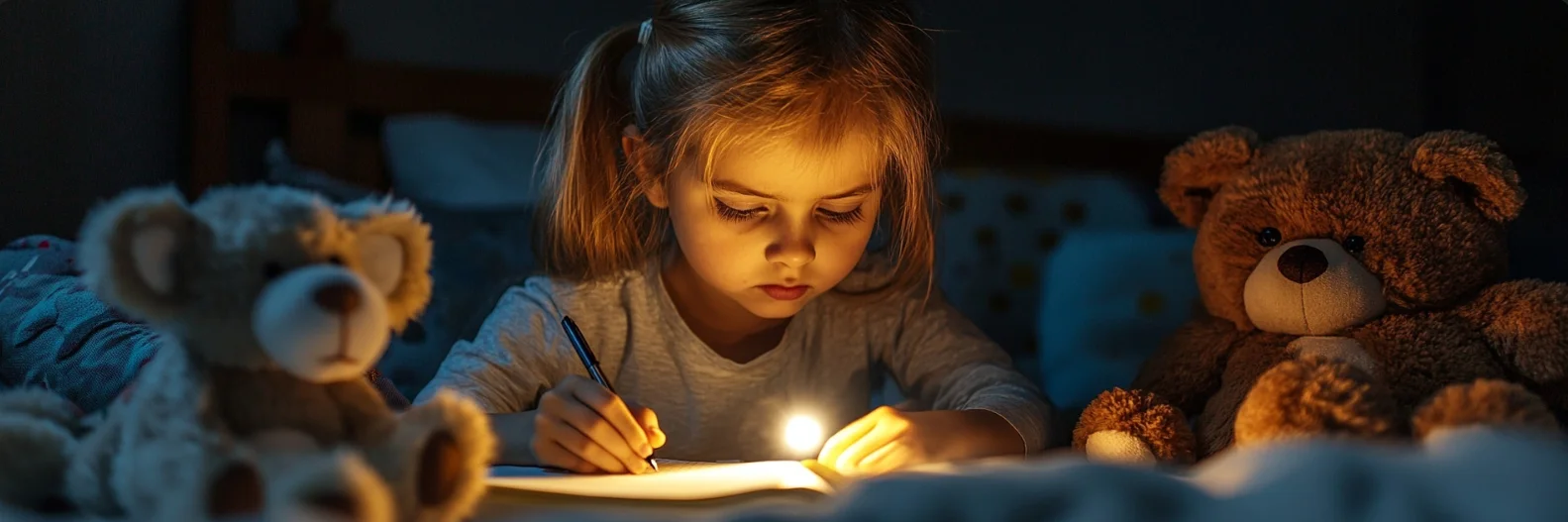
Child writing in journal by flashlight during power outage
📓 Hurricane Recovery · Kids Journal

The Hurricane Journal
Your Kids' Record of the Storm

Every child who lives through a hurricane has a story worth telling. A hurricane journal — part diary, part sketchbook, part news report — gives children a powerful way to process what happened and create something they will keep for the rest of their lives.

📓
Why a Journal Works When Nothing Else Does

📍 The Thing About Surviving Storms Together

Children who live through Florida hurricanes carry those experiences in ways that shape their relationship with weather, community, and resilience for the rest of their lives. The question isn't whether they'll remember the storm. It's what kind of memory they'll carry.

A hurricane journal turns a frightening, chaotic experience into something a child actively documents. They become the observer, the recorder, the historian. That shift from passive victim of the storm to active documentarian is genuinely transformative. And the journal itself — wrinkled pages, drawings of how the neighborhood looked, handwriting that changes over the days — becomes irreplaceable.

The Therapeutic Dimension

Child psychologists consistently identify expressive activities — drawing, writing, storytelling — as among the most effective ways children process stressful experiences. Journaling provides structure for chaotic emotions, gives children control over the narrative of what happened, and creates distance through observation. A child who writes "Day 3: no power, very hot, we played cards until midnight" is managing their experience rather than being managed by it.

✏️
Setting Up the Journal

What You Need

A composition notebook works perfectly — unlined pages on one side for drawing, lined on the other for writing. Any notebook or even loose paper in a folder works. What matters is that it's theirs, it has their name on it, and it's designated for this purpose. Stickers and colored pens make it feel special without costing much.

1

Date Every Entry

Start with the storm date and continue daily. The timeline becomes fascinating reading later — they'll track when power came back, when school reopened, when things felt normal again.

2

Draw First, Write Second

For children who find writing hard, drawing first removes the pressure. One sentence describing the drawing is a complete journal entry. Never require more than that.

3

Tape Artifacts In

A grocery receipt from emergency shopping. A leaf from the tree that fell in the yard. A news headline. These physical artifacts make the journal a real historical document, not just a notebook.

4

End With the Return of Normal

The most important entry is the last one: the day the power came back on. That ending turns the journal from a record of hardship into a story of recovery — the story worth keeping.

💡
Journal Prompts by Age

Ages 5–7: Drawing Prompts

  • Draw what our house looks like right now.
  • Draw your favorite thing we did today without power.
  • Draw what you miss most from before the hurricane.
  • Draw the storm using all the colors it felt like.

Ages 8–11: Writing and Drawing

  • Describe the storm using only sounds — what did you hear?
  • Write three things that are hard about this and one good thing.
  • If you were a news reporter, how would you describe our neighborhood right now?
  • Write a letter to your future self describing what this week felt like.

Ages 12+: Deeper Reflection

  • What surprised you most about yourself during the storm?
  • How is your neighborhood different? Is any of it better?
  • Write about a moment during the outage that you want to remember forever.
  • What does this experience make you think about what really matters?
Frequently Asked Questions
What if my child refuses to journal?
Don't force it. Ask if they'd like to draw a picture — no writing required. Or offer scribe journaling where you write while they dictate. Simply make a journal available and let them come to it when they're ready. Some children start on day seven when other activities have worn thin.
Should parents read the journals?
For young children, shared journaling works beautifully. For older children and teenagers, the journal is private unless they choose to share. Respecting that privacy is part of what makes the journaling feel safe and genuine.