The storm has passed. The power is out. School is closed indefinitely. Your kids are looking at you for what comes next. Here is what child psychologists and Florida parents have learned about maintaining sanity when normal life disappears.
The first hurricane is shocking for adults. For children, it can be genuinely frightening in ways they cannot fully express. They watched the wind. They heard the sounds. They felt your fear. After the storm, what they need most is predictability. A child who knows that breakfast happens at 8, that there's an activity after breakfast, that lunch is at noon โ that child processes trauma differently than one drifting through formless, anxious days.
Florida families who have done this repeatedly all say the same thing: the houses that had routines got through the first week easier. Not because the routine was perfect. Because it existed at all.
Child psychologists studying post-hurricane childhood recovery consistently identify three protective factors: physical safety, caregiver calm, and predictable daily structure. Of those three, daily structure is the one parents most underestimate. A routine tells a child's nervous system: the adults are in charge, the world is still ordered, I am safe. You don't need a rigid school schedule. You need anchors โ fixed points in the day that give shape to otherwise formless hours.
Even without school, wake kids at the same time daily. This regulates sleep cycles and signals that the day has structure. Make it 30 minutes later than school time โ a small earned gift โ but keep it consistent.
Assign each child an age-appropriate job: collecting trash, sweeping, organizing the water supply, feeding pets. Children who feel useful cope better than children who feel helpless. Don't underestimate a 7-year-old's pride at having a real job in a crisis.
In Florida, 8am to 10am is your outdoor window before the heat becomes oppressive. Bike rides, yard cleanup, neighborhood walks. Outdoor time burns energy, regulates mood, and gives kids something to talk about.
When the heat peaks, come inside. Reading time, quiet activities, rest. This mirrors siesta culture that developed in hot climates for exactly this reason. Don't fight the heat โ work with it.
The structured entertainment block. Board games, cards, art projects, building things. If neighbors have kids, this is the social hour. Kids process stress through play with other kids in a way they cannot with parents alone.
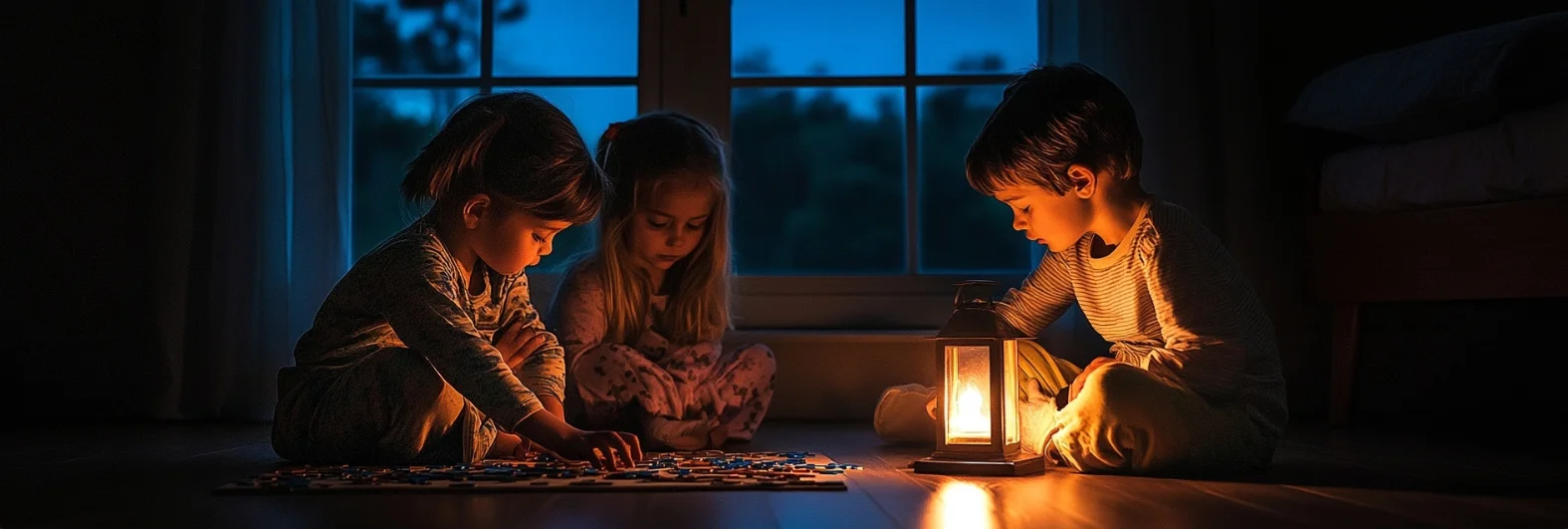
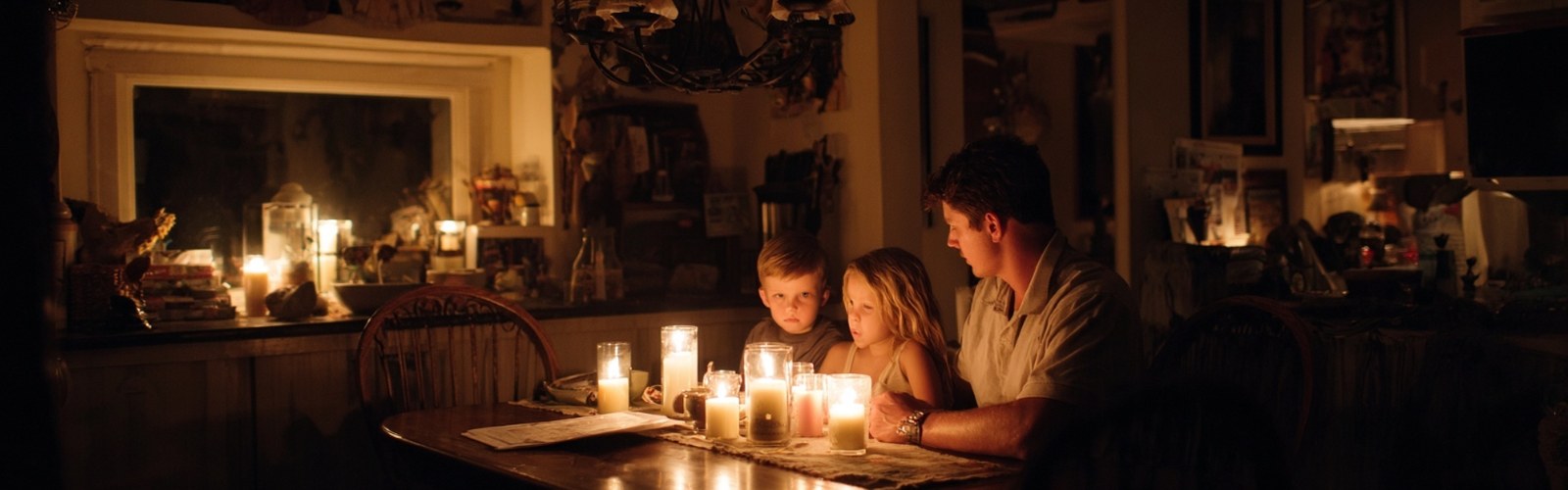
Dinner together is the most important anchor of the day. Stories, card games after dinner by lantern light. Then an earlier bedtime โ kids are more exhausted than they admit after physically active, screen-free days.
Toddlers need movement, sensory input, and short activities. Finger painting, Play-Doh, sorting games with household objects, reading picture books they already love. At this age, routine means predictability of caregivers and mealtimes more than structured activities.
This age group can handle real responsibility and benefits enormously from it. Give them a "hurricane log" โ a notebook where they draw what they see and write one sentence about each day. They love competitive games, building projects, and helping cook simple meals on a camp stove.
Preteens need agency more than any other age group. Let them plan one activity per day. Let them lead a card game or teach a younger sibling. This age handles loss of routine poorly when they feel powerless โ give them choices wherever possible.
Teenagers brought into the adult conversation โ given real information and real responsibility โ handle hurricane recovery much better than those kept in the dark. Give them a genuine role: communications officer, supply manager, the person who handles the younger kids for two hours each afternoon so adults can rest.