By State
🌴 Florida ⭐ Texas 🎷 Louisiana 🌊 Mississippi 🏖️ Alabama 🍑 Georgia 🌴 South Carolina 🏔️ North Carolina 🦅 Virginia 🦀 Maryland 🗽 New Jersey 🌆 New York 🦞 Massachusetts
Shutter Types
🪗 Accordion ⬇️ Roll-Down 🌺 Bahama 🏛️ Colonial 🛡️ Storm Panels 🕸️ Hurricane Screens 🪟 Impact Windows ↔ Accordion vs Roll-Down ↔ Shutters vs Windows
Guides
🧮 Cost Calculator 🤖 AI Pricing 📋 The Process 🔨 DIY Shutters 🪵 Plywood Guide 🔧 Maintenance 🛒 Supplies 🏷️ AirTags & Security 📋 Family Emergency Plan
After the Storm
🆘 Disaster Help Hub 🛡️ Post-Storm Safety 🌡️ Heat Safety 🐾 Pets & Livestock 🏠 Roof Tarping 💧 Water Damage 🌳 Tree Removal Florida Recovery Texas Recovery NC Recovery
Verify Contractor
Florida Texas Georgia North Carolina Virginia New Jersey New York Massachusetts
Free Estimate →
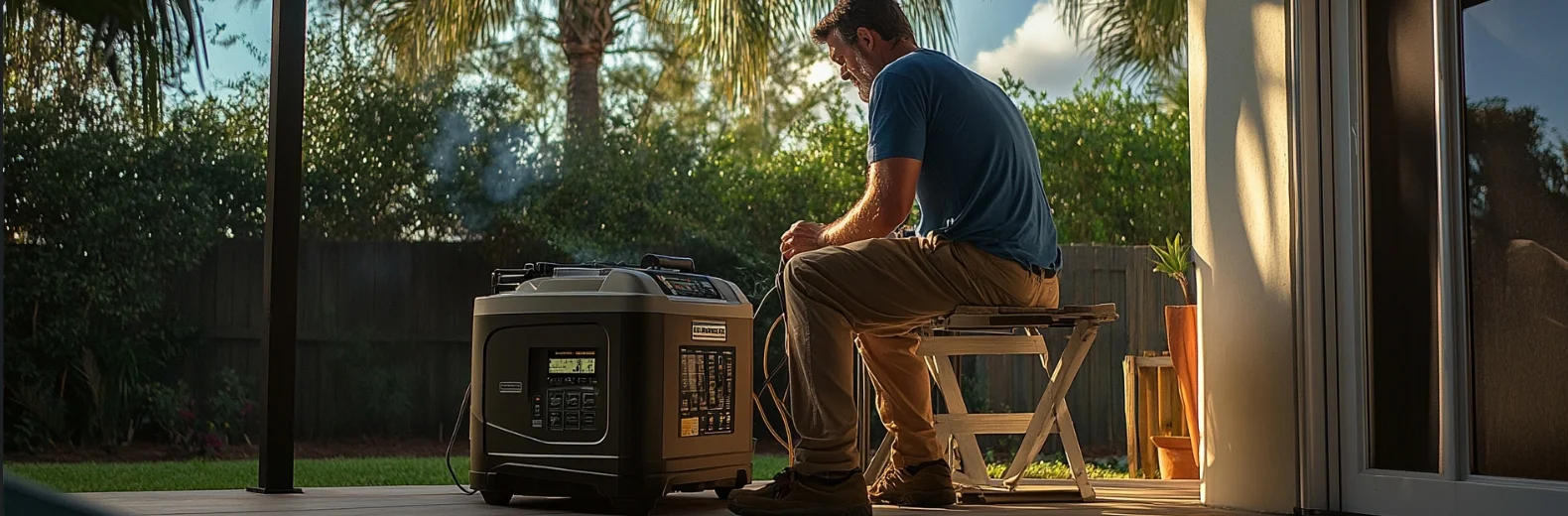
Homeowner running generator after hurricane power outage
💡 Hurricane Recovery · Power Restored

When the Power Comes Back On
Reentry and Recovery

The lights flicker. The air conditioning hums. The refrigerator starts. After a week or more without it, this moment is genuinely emotional. It is also the moment when a new set of decisions needs to be made correctly. Here is the right order of operations.

💡
The Moment You've Been Waiting For
And the decisions that follow it

📍 What This Feels Like After Two Weeks Without Power

After a long Florida power outage, the return of electricity is an experience that is hard to describe to someone who hasn't been through it. The air conditioning — the single sound most associated with comfortable Florida life — coming on at 2am and waking you up from a hot, restless sleep is one of the most reliably joyful moments in the state. People call their neighbors. People cry. People stand in front of the open refrigerator — which is empty and warm — just to see the light come on inside it.

And then, 20 minutes later, you have to make a series of practical decisions correctly. Because the return of power brings its own hazards if you don't manage the transition right. This page covers the right order of operations for everything that follows that first beautiful click of the circuit breakers coming back on.

⚠️ The Most Important Rule — Do Not Eat That Food

The refrigerator has been off for however many days. Even if it felt cool when you opened it, food that was held above 40°F for more than two hours during the outage should be discarded without exception. Post-hurricane food poisoning from improperly retained refrigerator contents is one of the most common and entirely preventable post-disaster medical events in Florida every storm season. The USDA rule is unambiguous: when in doubt, throw it out. The cost of replacing groceries is far less than the cost of foodborne illness without air conditioning and with limited medical access.

The First Hour — The Correct Order of Operations
1

Disconnect Your Generator First — Non-Negotiable

If you have been running a portable generator, disconnect it from any household circuits before utility power is fully restored. Running both simultaneously creates dangerous backfeed that can injure or kill utility line workers and can damage your home's electrical system. Once the generator is off and fully disconnected, reconnect to grid power normally. This step is critical and cannot be skipped.

2

Don't Turn Everything On Simultaneously

Utility systems are fragile in the first hours after restoration. A neighborhood simultaneously activating air conditioning, water heaters, refrigerators, and appliances creates voltage fluctuations and can trip breakers — potentially causing another outage in the block. Wait at least 30 minutes before running major appliances. Stagger them. The grid coming back on is a vulnerable moment that benefits from patience.

3

Let the Air Conditioning Run Without Interference

Your home has been absorbing heat for days. The structure itself — walls, ceiling, floors — is warm, and the AC will need to run for 2–4 hours before the interior temperature drops noticeably, especially in a well-insulated Florida home. This is normal and expected. Do not fiddle with the thermostat or assume something is wrong. Set it and leave it.

4

Clean the Refrigerator Before Filling It

Before putting food back in the refrigerator, clean it. Remove everything. Wipe the interior with a solution of one tablespoon baking soda per quart of water. Dry thoroughly. Let it run empty for two hours to reach temperature before loading food. Any food that was perishable and warm — meat, dairy, eggs, cooked foods, anything with unusual odor or texture — goes in the trash, not back in the refrigerator.

5

Check the Water Heater

If your water heater is gas, check the pilot light — it may have gone out during the outage. If electric, it will restart normally but needs 45–60 minutes to heat a full tank. If a boil-water advisory is still in effect from the county, run each tap for 30 seconds before use and continue boiling water for drinking and cooking until the advisory is officially lifted.

6

Verify Your Surge Protectors

Before plugging expensive electronics back in, verify your surge protectors are still functional. Many single-use surge protector devices sacrifice themselves during surge events and no longer protect anything while appearing intact. Any surge protector that was active during the storm's electrical events should be tested or replaced before reconnecting televisions, computers, and appliances. Power strips without surge protection ratings provide no protection at all — they are extension cords, not protection devices.

7

Celebrate Properly

Order pizza the first night. Take a long cold shower. Sleep in full air conditioning. Let the relief be complete and unreserved for at least one evening before returning to the work of recovery. You have been managing a household through a genuinely difficult situation. The return of normal life is worth marking deliberately before the insurance calls and contractor scheduling resumes.

🍎
Restocking the Kitchen Safely

The First Shopping Trip

Grocery stores will be crowded and partially depleted. Be patient and strategic. First priority: fresh produce, dairy, and the specific items you have been craving during the outage — these restore a sense of normal life faster than anything else. Do not try to immediately replicate your pre-storm pantry. Focus on what will restore genuine comfort first, then rebuild the staples over the following week.

Rebuild Your Emergency Supply Immediately — While the Memory Is Fresh

The single most reliable finding in post-hurricane preparedness research is that households hit by one storm are dramatically less prepared for the next one — because they depleted their emergency supplies and never replaced them. The week after power is restored, before the sense of urgency fades, is precisely when to rebuild. Water storage, canned food, battery supplies, propane, the game box. Do it within the first week back, while the specific things you wish you'd had are still vivid in your memory.

🧠
The Emotional Reentry — What No One Tells You

Why Recovery Doesn't Feel Like You Expected

Many Florida hurricane survivors describe an experience that surprises them: the return of power does not immediately feel like relief. It can feel flat, even slightly hollow. The community that formed during the outage — neighbors in the yard every evening, conversations that happened because there was nothing else to do, the shared project of getting through it together — dissipates almost immediately when everyone retreats back to their air-conditioned houses and screens.

What helped people through the outage (community, presence, slowed-down time, genuine connection) does not disappear when the power returns — it just requires more intentional maintenance in a world of restored convenience. Some Florida families have made deliberate choices after major storms: a standing block cookout, neighbor relationships they invest in, a Friday card game that started during the outage and kept going. The storm built something. The question is whether you let it persist.

Children and the Return of Normal

Children may have unexpected reactions to the return of power — genuine excitement and relief, but sometimes also some sadness at the end of an unusual period that had its own kind of intimacy. The structured days, the games, the long conversations, the closeness required by shared circumstances — these end quickly when screens return and routines normalize. This is fine and expected. Give children a day or two to readjust rather than immediately expecting them to snap back. And expect that school reentry may surface emotions that were managed during the outage but not fully processed.

📋
The Post-Power Recovery Checklist
  • ☐ Contact insurance company — document all damage before any repairs begin
  • ☐ Photograph all damage from multiple angles before any cleanup
  • ☐ Contact FEMA if damage is severe — DisasterAssistance.gov
  • ☐ Get three estimates before hiring any contractor — post-storm price gouging is real
  • ☐ Verify contractor licenses before any work — see our Verify Contractor section
  • ☐ Continue checking on elderly neighbors — their needs don't end when your power returns
  • ☐ Rebuild emergency supply kit while it's fresh in your memory
  • ☐ Inspect hurricane shutters — any damage or operational issues need attention before next season

💡 Protect Before the Next Storm

The best time to upgrade your hurricane shutters is in the calm after a storm — contractors are available, you know exactly what you need, and your insurance documentation is fresh. Use our free cost calculator to see what protection would cost for your home.

Frequently Asked Questions
Is it safe to eat food from my freezer if it still has ice crystals?
Food that still contains ice crystals throughout and is at 40°F or below is generally safe to refreeze or cook. Food that has fully thawed but remained at or below 40°F for less than two days may be cooked and eaten immediately but should not be refrozen. When in doubt, use a food thermometer. Any food that was above 40°F and you don't know for how long — discard it.
My air conditioning is making an unusual noise after the outage. Should I be concerned?
Unusual sounds immediately after restoration merit attention. Grinding or squealing may indicate a bearing issue exacerbated by the extended off period. A burning smell requires immediate shutdown. Normal startup sounds — slightly louder than usual, brief variations in hum — are typically fine. If in doubt, request a post-storm inspection from an HVAC technician. Many offer these after major storms, and catching a developing problem before the next heat event is worthwhile.
Should I invest in a whole-house generator after this experience?
The economics have improved significantly in recent years. Whole-house generators run $3,000–$15,000 installed, depending on size and fuel type. For households with medical equipment dependence, elderly residents, or frequent storm exposure, the calculation often favors installation. Home insurance discounts, measurable property value increase, and the genuine quality-of-life difference during a multi-week outage all factor into the return on investment. Get three quotes from licensed electrical contractors — verify licenses at myfloridalicense.com before agreeing to any work.
How soon after power returns should I schedule my shutter inspection?
Within the first two weeks if your shutters showed any operational issues, damage, or if you are uncertain about their performance. Annual professional inspection is recommended for all shutter types, and the post-storm period is the ideal time — contractors are familiar with storm-related wear patterns and you are already thinking about preparedness. Don't wait until the following June when everyone else is scheduling inspections.