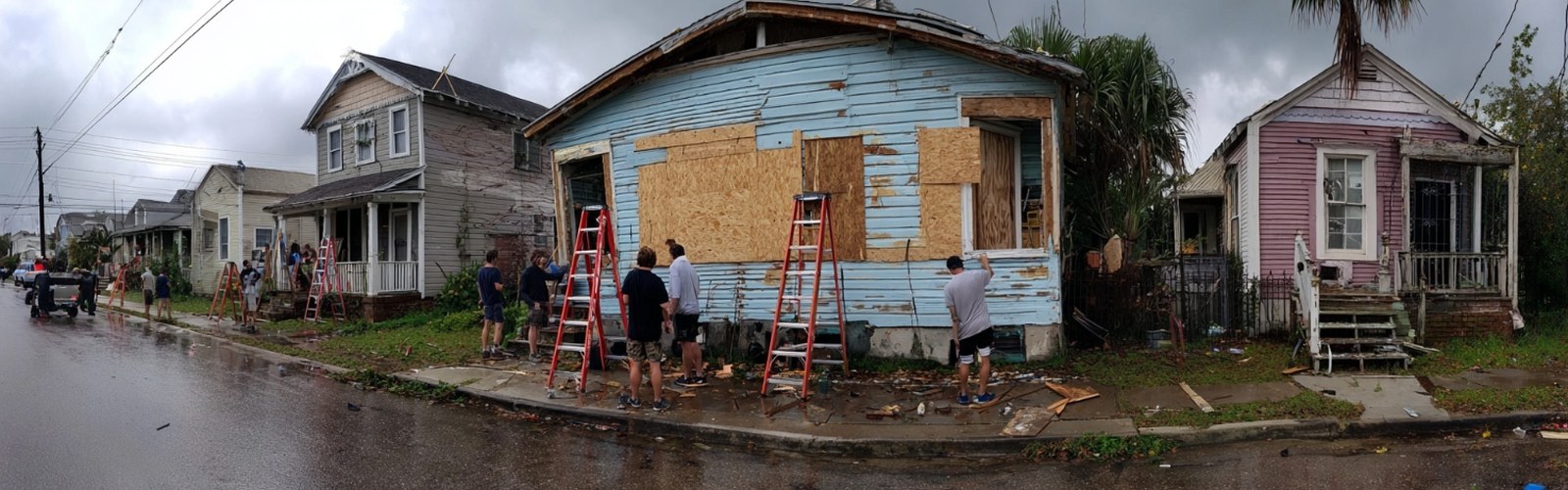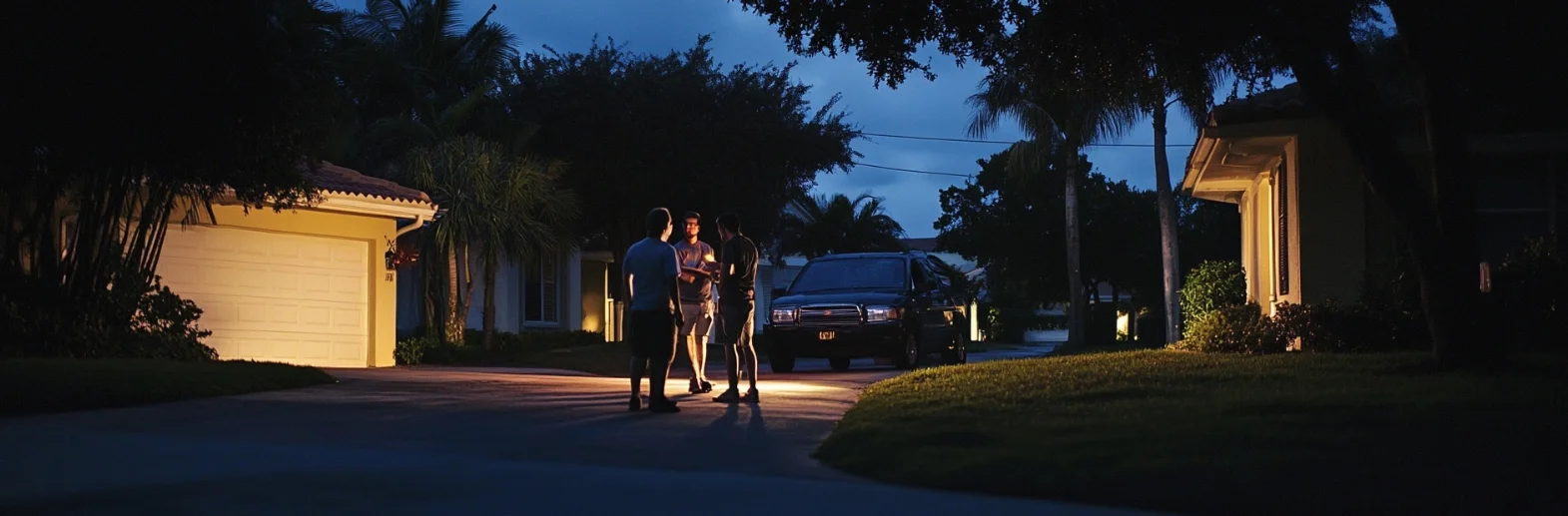
Something remarkable happens in Florida neighborhoods after a hurricane. People who barely knew each other's names are suddenly cooking breakfast together, sharing generator power, watching each other's kids. This is not a coincidence — it's what community actually looks like.
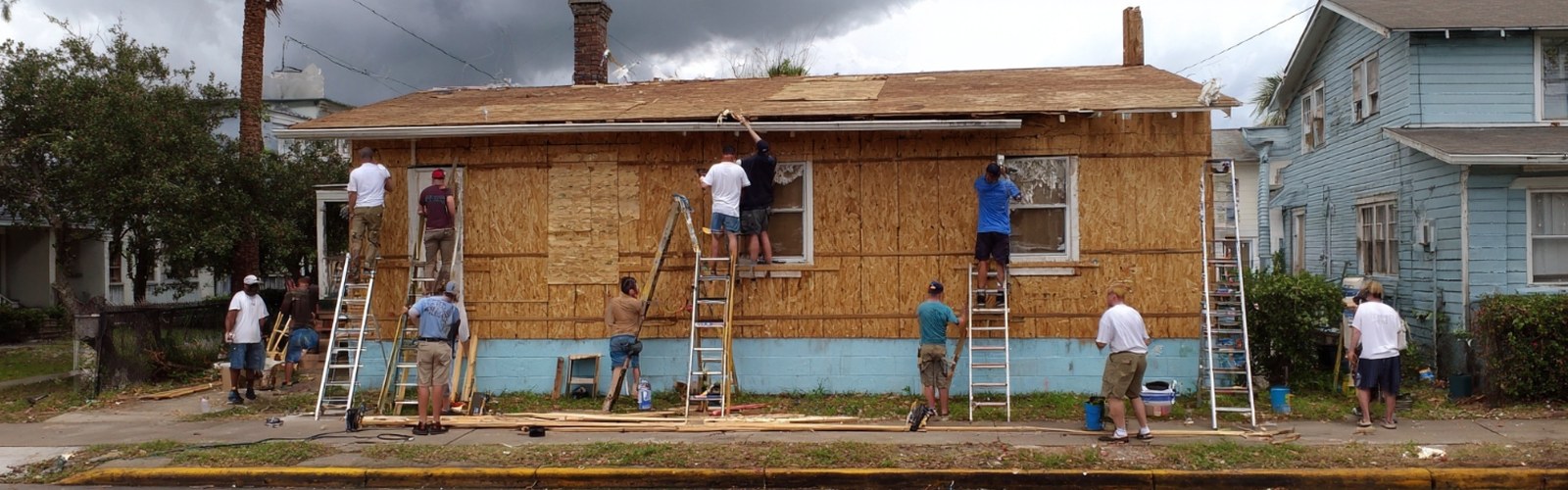
After a major hurricane passes through a Florida neighborhood, something shifts. The social distances that modern suburban life builds — different schedules, different screens, different everything — collapse almost overnight. People are outside. They are on their porches. They have time. They need things that only neighbors can provide. And they give things they did not know they had.
The family down the street with the large generator becomes the charging station for the whole block. The retired couple with the big gas grill becomes the neighborhood kitchen for three days. The person who owns a chainsaw becomes the hero who clears four different driveways without being asked. Things happen without being organized. People step up without being told to. It is one of the better expressions of human nature that Florida gets to witness regularly.
But it works better — faster, more efficiently, with less suffering — when it is intentional. The neighborhoods that recover fastest are the ones where neighbors knew each other before the storm.


A whole-house standby generator is rare and expensive. But a portable generator with several hours of spare capacity is common enough that most Florida blocks have multiple. The unwritten rule that has emerged through decades of storms: if you have generator capacity to spare, you share it. This might mean a neighbor plugging their refrigerator in for three hours, a daily phone-charging rotation, or running a medical device for someone who needs it.
Establishing this explicitly before you need it — walking over and saying "I have a generator with some spare capacity; if you need phone charging or refrigerator time, just knock" — costs nothing and builds the connection that makes the system function. The household that does not ask receives no help. The household that offers first almost always gets it back in kind.
Ice after major Florida storms is a managed scarcity. Gas stations, hardware stores, and county distribution points all have limited supply and long lines in the immediate aftermath. The households with the largest coolers and the most reliable ice supply naturally become distribution points for smaller amounts to neighbors. This is a genuine community service, and the people who do it are remembered years later.
A practical habit to develop: when you go for ice, ask your immediate neighbors if they need any. Bring a few extra bags. The incremental cost is under $10. The social return is substantial.
The tools most needed after a hurricane are predictable, and most neighbors have different subsets of them: chainsaw, generator, sump pump, ladder, tarps, power tools when generator power allows, bolt cutters, and come-alongs for moving debris. An informal announcement — "I have a chainsaw and am doing my yard today; available to neighbors from 2pm onward" — is one of the most practical forms of post-hurricane community support available.
The person who drives around with a chainsaw helping neighbors clear their driveways on day two becomes a neighborhood legend. This is not hyperbole — Florida communities remember these people and these acts for decades.
Multiple Florida families independently describe the same phenomenon: by day two after a major storm, the person with the largest outdoor grill becomes the block's defacto restaurant. Large quantities of food from various households' defrosting freezers get cooked together, neighbors bring whatever they have, and what starts as practical necessity becomes a genuine community feast. Some Florida neighborhoods have made this a deliberate tradition — the hurricane block party that happens the afternoon after every major storm, without planning, simply because everyone knows to show up.
This sounds basic. It is frequently not done. The six households immediately adjacent to yours — next door on each side, across the street, kitty-corner — are your hurricane community. Know their names. Know if any have elderly residents, young children, medical needs, or special circumstances. This takes one afternoon of introductions and pays returns for years.
A group text of 8–12 immediate neighbors becomes extraordinarily useful during a storm and after. "Generator running until 10pm — charging available at our place." "Ice at the corner store, line about 20 minutes." "Tree blocking 3rd Street." "Anyone have a pump?" This informal network costs nothing to establish and saves real time, money, and stress during recovery. Do it in June, before the season starts.
Before hurricane season, a few casual conversations with immediate neighbors reveal the block's collective resource picture: who has a generator, who has a chainsaw, who has a large cooler, who has medical training, who has a truck. Building this picture in advance makes post-storm resource sharing happen in hours instead of days.
If you have elderly or disabled neighbors who live alone, encourage them to register with your county's Special Needs Registry. This ensures first responders prioritize welfare checks at their address after major storms. Most Florida county emergency management websites have the registration form available year-round.
After a storm, when schools are closed and both parents are managing cleanup, insurance calls, and contractor visits, childcare sharing is among the most meaningful forms of neighbor support. A specific, reciprocal offer — "Take my kids for two hours while I deal with the adjuster, and I'll take yours this afternoon so you can make calls" — works in a way that general open offers of help do not.
Families with children of similar ages naturally develop these arrangements after storms. If your kids are outside playing with the neighbor's kids anyway, offer to be responsible for all of them for a designated block of time. The other parents get two hours of uninterrupted recovery focus. The children get company that processes the storm experience better than they can with parents alone.