By State
๐ŸŒด Florida โญ Texas ๐ŸŽท Louisiana ๐ŸŒŠ Mississippi ๐Ÿ–๏ธ Alabama ๐Ÿ‘ Georgia ๐ŸŒด South Carolina ๐Ÿ”๏ธ North Carolina ๐Ÿฆ… Virginia ๐Ÿฆ€ Maryland ๐Ÿ—ฝ New Jersey ๐ŸŒ† New York ๐Ÿฆž Massachusetts
Shutter Types
๐Ÿช— Accordion โฌ‡๏ธ Roll-Down ๐ŸŒบ Bahama ๐Ÿ›๏ธ Colonial ๐Ÿ›ก๏ธ Storm Panels ๐Ÿ•ธ๏ธ Hurricane Screens ๐ŸชŸ Impact Windows โ†” Accordion vs Roll-Down โ†” Shutters vs Windows
Guides
๐Ÿงฎ Cost Calculator ๐Ÿค– AI Pricing ๐Ÿ“‹ The Process ๐Ÿ”จ DIY Shutters ๐Ÿชต Plywood Guide ๐Ÿ”ง Maintenance ๐Ÿ›’ Supplies ๐Ÿท๏ธ AirTags & Security ๐Ÿ“‹ Family Emergency Plan
After the Storm
๐Ÿ†˜ Disaster Help Hub ๐Ÿ›ก๏ธ Post-Storm Safety ๐ŸŒก๏ธ Heat Safety ๐Ÿพ Pets & Livestock ๐Ÿ  Roof Tarping ๐Ÿ’ง Water Damage ๐ŸŒณ Tree Removal Florida Recovery Texas Recovery NC Recovery
Verify Contractor
Florida Texas Georgia North Carolina Virginia New Jersey New York Massachusetts
Free Estimate โ†’
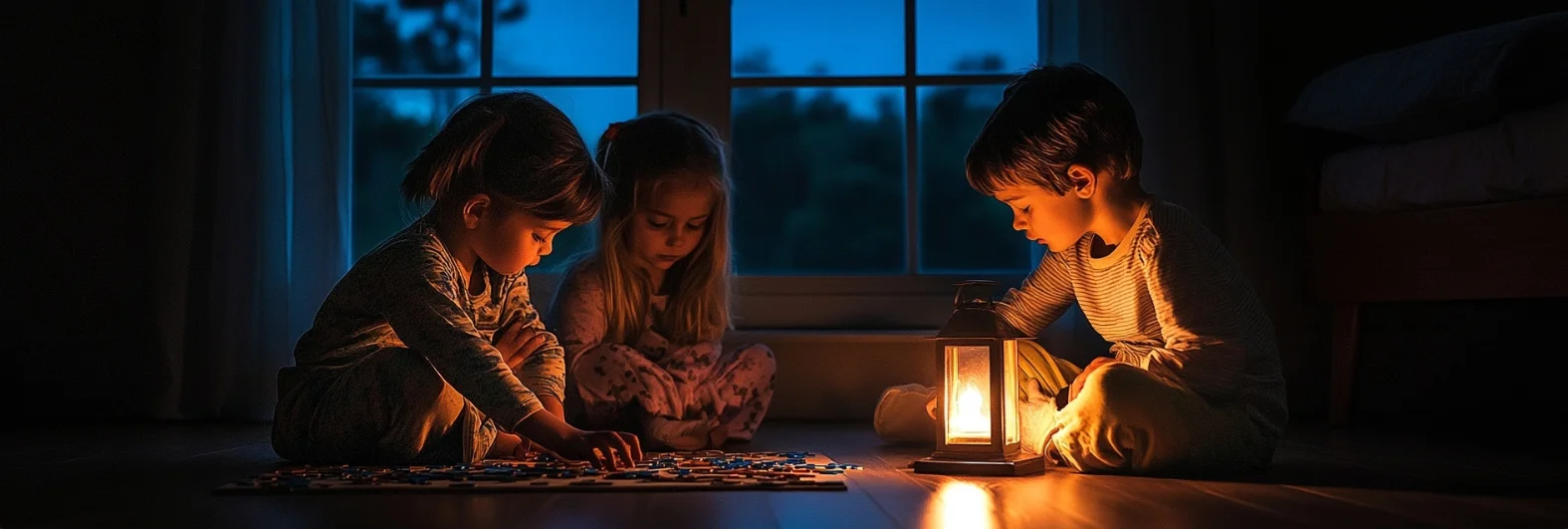
Children doing puzzle by lantern during power outage
๐Ÿ“… Hurricane Recovery ยท Kids & Families

Keeping Kids on a Routine
When Everything Is Chaos

The storm has passed. The power is out. School is closed indefinitely. Your kids are looking at you for what comes next. Here is what child psychologists and Florida parents have learned about maintaining sanity when normal life disappears.
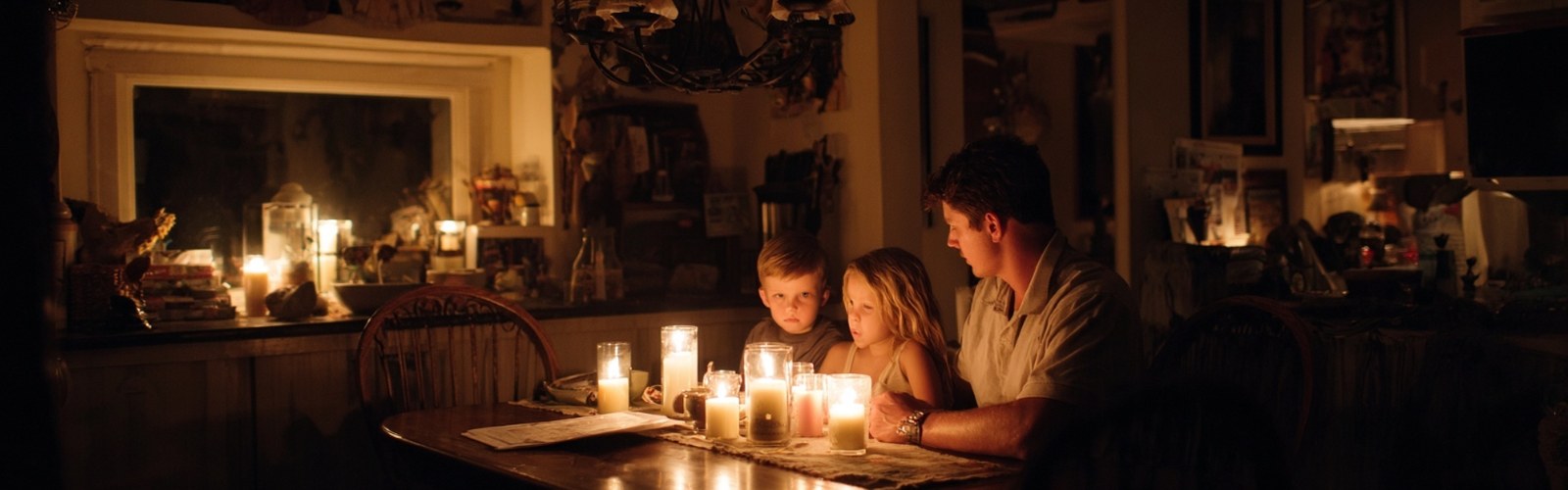
Father and children gathered around candles at kitchen table during hurricane power outage
Candlelight dinners become the norm during extended outages โ€” kids take their cues from how calm adults stay
๐Ÿ“…
Why Routine Is the Most Important Thing You Can Give a Child After a Hurricane
It's not about structure for its own sake โ€” it's about safety signals

๐Ÿ“ What Florida Parents Learn After the First Big Storm

The first hurricane is shocking for adults. For children, it can be genuinely frightening in ways they cannot fully express. They watched the wind. They heard the sounds. They felt your fear. After the storm, what they need most is predictability. A child who knows that breakfast happens at 8, that there's an activity after breakfast, that lunch is at noon โ€” that child processes trauma differently than one drifting through formless, anxious days.

Florida families who have done this repeatedly all say the same thing: the houses that had routines got through the first week easier. Not because the routine was perfect. Because it existed at all.

The Science Behind It

Child psychologists studying post-hurricane childhood recovery consistently identify three protective factors: physical safety, caregiver calm, and predictable daily structure. Of those three, daily structure is the one parents most underestimate. A routine tells a child's nervous system: the adults are in charge, the world is still ordered, I am safe. You don't need a rigid school schedule. You need anchors โ€” fixed points in the day that give shape to otherwise formless hours.

โ˜€๏ธ
A Simple Daily Framework That Works
1

Morning Anchor โ€” Same Wake Time Every Day

Even without school, wake kids at the same time daily. This regulates sleep cycles and signals that the day has structure. Make it 30 minutes later than school time โ€” a small earned gift โ€” but keep it consistent.

2

Morning Jobs โ€” Every Child Has One

Assign each child an age-appropriate job: collecting trash, sweeping, organizing the water supply, feeding pets. Children who feel useful cope better than children who feel helpless. Don't underestimate a 7-year-old's pride at having a real job in a crisis.

3

Mid-Morning โ€” Outdoor Time Before Peak Heat

In Florida, 8am to 10am is your outdoor window before the heat becomes oppressive. Bike rides, yard cleanup, neighborhood walks. Outdoor time burns energy, regulates mood, and gives kids something to talk about.

4

Midday โ€” Cool Down, Read, Rest

When the heat peaks, come inside. Reading time, quiet activities, rest. This mirrors siesta culture that developed in hot climates for exactly this reason. Don't fight the heat โ€” work with it.

5

Afternoon โ€” Games, Projects, Social Time

The structured entertainment block. Board games, cards, art projects, building things. If neighbors have kids, this is the social hour. Kids process stress through play with other kids in a way they cannot with parents alone.

6

Evening โ€” Family Dinner, Stories, Early Bedtime

Dinner together is the most important anchor of the day. Stories, card games after dinner by lantern light. Then an earlier bedtime โ€” kids are more exhausted than they admit after physically active, screen-free days.

๐ŸŽ’
By Age โ€” What Actually Works

Ages 2โ€“5: Keep It Physical and Simple

Toddlers need movement, sensory input, and short activities. Finger painting, Play-Doh, sorting games with household objects, reading picture books they already love. At this age, routine means predictability of caregivers and mealtimes more than structured activities.

Ages 6โ€“10: Games, Projects, and Responsibility

This age group can handle real responsibility and benefits enormously from it. Give them a "hurricane log" โ€” a notebook where they draw what they see and write one sentence about each day. They love competitive games, building projects, and helping cook simple meals on a camp stove.

Ages 11โ€“14: Give Them Control Where You Can

Preteens need agency more than any other age group. Let them plan one activity per day. Let them lead a card game or teach a younger sibling. This age handles loss of routine poorly when they feel powerless โ€” give them choices wherever possible.

Ages 15+: Treat Them as Partners

Teenagers brought into the adult conversation โ€” given real information and real responsibility โ€” handle hurricane recovery much better than those kept in the dark. Give them a genuine role: communications officer, supply manager, the person who handles the younger kids for two hours each afternoon so adults can rest.

โ“
Frequently Asked Questions
How do I handle a child who is having nightmares after the hurricane?
This is normal and expected. Don't dismiss it โ€” acknowledge what they experienced. Keep bedtime calm and consistent. Consider a battery-powered nightlight. Let younger children sleep closer to parents temporarily. If anxiety persists beyond two weeks once power is restored, school counselors and pediatricians are excellent first resources.
My kids keep asking when the power is coming back. What do I say?
Honest uncertainty is better than false promises. "I don't know exactly, but the utility crews are working on it and it will come back" is accurate and reassuring without setting expectations that get crushed. Avoid guessing specific dates unless you have reliable information from the utility company.
Is it okay for kids to have a few hours of screen time if I save battery power?
Absolutely. Screens are not the enemy โ€” the goal is not to be completely dependent on them. Rationing screen time (two hours in the afternoon) as a predictable daily schedule element actually makes it more effective as a routine anchor and reduces the constant negotiation over it.