🌀 Hurricane season is activeprotect your Louisiana home  ·  Get protected now →
By State
🌴 Florida⭐ Texas🎷 Louisiana🌊 Mississippi🏖️ Alabama🍑 Georgia🌴 S. Carolina🏔️ N. Carolina🦅 Virginia🦀 Maryland🗽 New Jersey🌆 New York🦞 Massachusetts
Explore
🛡️ Shutter Types🧮 Guides & Calculator🆘 After the Storm✅ Verify a ContractorFree Estimate →💰 Insurance Savings📋 Find an Installer🌀 Storm Alerts
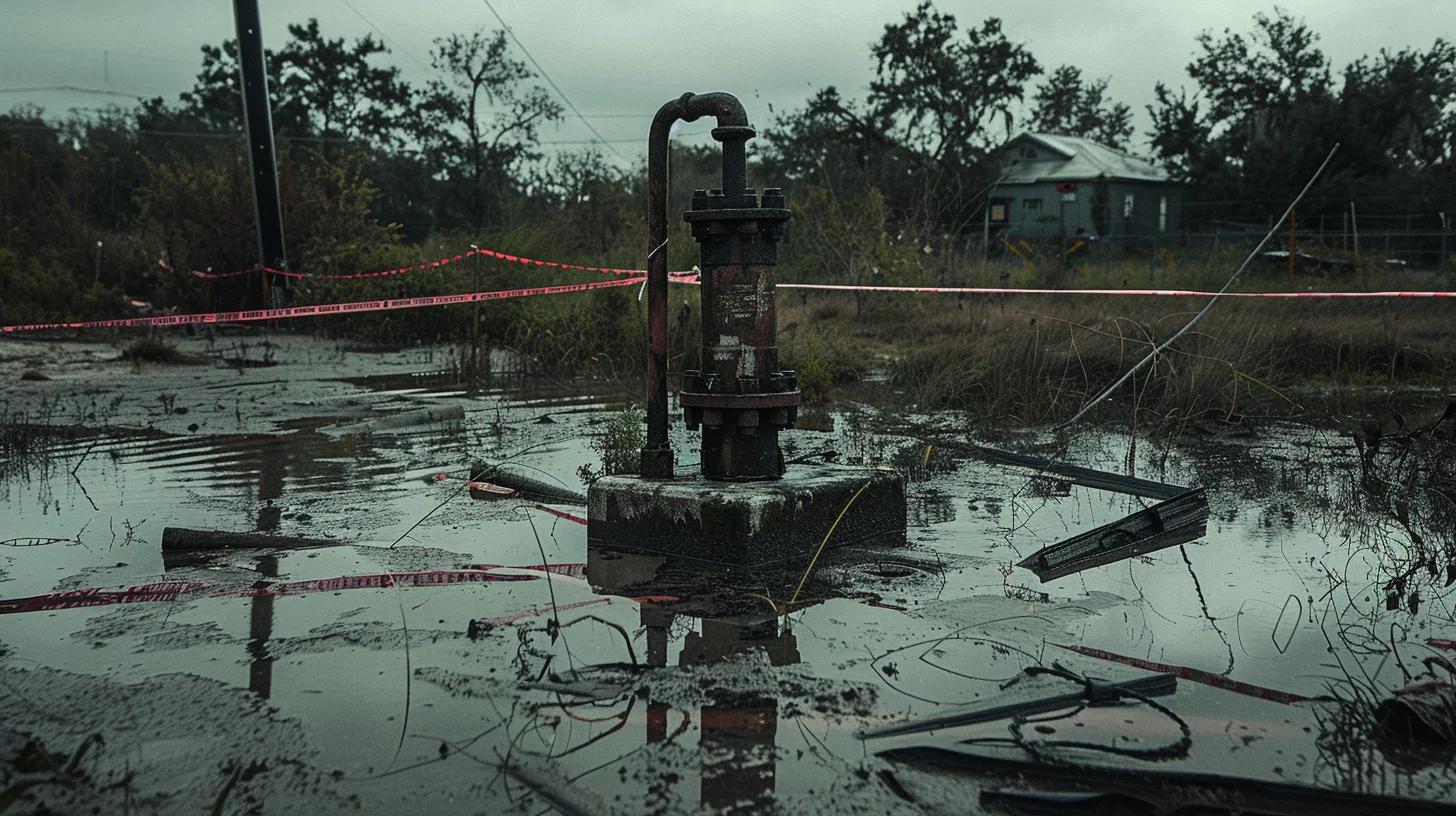
Hurricane Water Safety — Is Your Water Safe After the Storm?
Hurricane Health Series · Water Safety

Hurricane Water Safety — When Is It Safe to Drink After a Storm

Floodwater contaminates wells, pipes, and municipal systems. Learn what boil water orders mean, how to test your well, and when your tap water is actually safe again.

397 mi
Coastline
Cat 4
Peak risk
Available
Wind credits
$15–100
Per sq ft
ⓘ General Awareness Notice: This page is provided for general informational purposes only and is not medical, legal, or professional safety advice. In any emergency, call 911 and follow directives from local authorities, FEMA, CDC, and your healthcare provider. Always consult a licensed professional before acting on any information presented here. Full disclaimer →
⚠️ Tales of Caution

They Assumed the Water Was Safe. It Wasn't.

Drawn from state health department water contamination reports, CDC waterborne disease outbreak records, and documented post-hurricane public health investigations.

Onslow County, North Carolina — The Well That Looked Fine

After Hurricane Florence in 2018, David and his family returned to their rural Onslow County property to find their well pump working and the water running clear. They had been on well water for 14 years without a problem. The water looked normal. It smelled normal. They drank it.

Florence had produced catastrophic flooding across eastern North Carolina, and numerous hog lagoons — open-air waste pits holding millions of gallons of hog fecal matter — had overflowed or breached. The floodwater that had covered David's property for three days had carried fecal coliform bacteria, Cryptosporidium, and agricultural chemicals. His well head, which sat only 18 inches above ground level, had been submerged.

Three members of his family developed severe gastrointestinal illness within a week. Water testing ordered by the county health department found total coliform bacteria and E. coli in his well. "The water ran clear," David told the county health department. "I had no idea. I assumed if the pump was working, the water was fine."

What this means for your home: A private well that was flooded — even partially, even for a short time — is contaminated until proven otherwise by laboratory testing. Clear water is not safe water. The bacteria, viruses, and agricultural or industrial chemicals that enter a flooded well are invisible. Avoid drinking from a flooded well until it has been properly disinfected and tested by a certified laboratory.

Puerto Rico — 11 Months Without Safe Water After Maria

Hurricane Maria made landfall in Puerto Rico in September 2017 as a Category 4 storm, destroying the island's water infrastructure on a scale that would not be fully repaired for nearly a year. In the weeks following the storm, residents in areas without safe municipal water turned to whatever sources were available — mountain streams, irrigation channels, and in some documented cases, Superfund contaminated wells that had been previously sealed.

The CDC documented a significant increase in leptospirosis cases in Puerto Rico in the months following Maria — a bacterial disease transmitted through water contaminated with the urine of infected animals, particularly rats displaced by flooding. At least 74 deaths were directly attributed to the leptospirosis outbreak. Many victims had consumed untreated surface water or waded through floodwater and then touched their faces or mouths without proper hand washing.

What this means for your home: After a major hurricane, assume all surface water is contaminated. Avoid drinking from streams, ponds, canals, or any body of water that has been in contact with floodwater. Leptospirosis can also be contracted through skin contact with contaminated water — particularly through cuts and abrasions. Wear waterproof boots and gloves when wading through any post-hurricane water.

Sources: North Carolina Department of Health and Human Services Florence water quality reports; CDC Puerto Rico post-Maria leptospirosis investigation; EPA private well contamination guidance.

The rule that saves lives

After a hurricane, assume all water is unsafe until confirmed otherwise — regardless of how it looks, smells, or tastes. Biological and chemical contaminants that make water dangerous are invisible. The consequences of drinking contaminated water range from severe gastrointestinal illness to life-threatening diseases including leptospirosis, hepatitis A, typhoid fever, and cholera.

Boil Water Orders

Boil Water Orders — What They Mean and How to Follow Them

A boil water order (BWO) is issued by your water utility or local health department when the safety of the municipal water supply cannot be guaranteed. After a hurricane, BWOs are commonly issued when:

  • Water pressure drops below minimum safe levels (allowing contamination to enter pipes)
  • Treatment plant operations are disrupted by the storm
  • Distribution lines are damaged or flooded
  • Routine water testing cannot be completed

How to properly boil water:

  1. If water is cloudy, filter it through a clean cloth or coffee filter first
  2. Bring water to a rolling boil — large bubbles breaking the surface
  3. Boil for at least 1 minute (3 minutes if you are above 6,500 feet elevation)
  4. Let water cool before drinking — store in a clean, covered container

A boil water order applies to ALL uses of tap water for consumption: drinking, making ice, brushing teeth, washing fruits and vegetables, and preparing food. It does not apply to bathing (adults), washing dishes (if you use hot water and soap and air dry), or flushing toilets.

Boil water orders are lifted only when utility testing confirms the water is safe. Avoid assuming the order has been lifted because your water looks normal or because neighbors say it's fine. Check your local utility's website or call 211 for official status.

Private Wells

Private Well Safety After a Hurricane

Private wells are not covered by municipal boil water orders. They are entirely your responsibility. If your well was flooded — even partially — treat it as contaminated.

Step 1: Do not use the well

Until testing confirms safety, use only bottled water or properly boiled water for all consumption.

Step 2: Disinfect the well

This process is called "shock chlorination." Contact your county health department or extension office for the exact protocol for your well type and depth. Generally: calculate the volume of water in your well, add the appropriate amount of unscented liquid chlorine bleach (5.25–8.25% sodium hypochlorite), allow to sit for 12–24 hours, then pump out until chlorine smell is gone.

Step 3: Test before drinking

After disinfection and flushing, collect a water sample and submit to a state-certified laboratory for testing. Test for: total coliform bacteria, E. coli, nitrates, and any contaminants specific to your area (pesticides if near agricultural land, heavy metals if near industrial sites). Results typically take 2–5 business days.

Your county health department can provide free or low-cost testing after a declared disaster. Contact them before paying for commercial testing.

Municipal Water

Municipal Water — When Is It Actually Safe Again

Municipal water systems must meet EPA standards before a boil water order is lifted. The process typically involves:

  • Restoration of adequate water pressure throughout the system
  • Flushing of distribution lines
  • Collection of water samples at multiple points throughout the system
  • Laboratory testing with negative results for total coliform bacteria
  • Regulatory review and official order lift

This process typically takes a minimum of 48–72 hours after pressure is restored and can take much longer for large systems or after major infrastructure damage. After the order is lifted, run cold water taps for 2 minutes before using to flush the lines in your home.

Safe Water Sources

Safe Water Sources After a Hurricane

  • Commercially bottled water — safest option; unopened bottles from sealed cases
  • Properly boiled tap water — rolling boil for 1 minute, cooled and stored in clean containers
  • Water purification tablets — iodine or chlorine tablets per label directions; less effective against Cryptosporidium
  • Filtered water — only if filter is rated for bacteria and viruses (NSF/ANSI Standard 53 or 58); most pitcher filters are NOT rated for this
  • FEMA/Red Cross distribution points — check local emergency management for locations
  • Surface water — streams, ponds, canals, puddles — never safe without boiling AND filtering
  • Floodwater — contains sewage, chemicals, bacteria, and viruses
  • Ice made before the storm — if your power was out, assume your ice maker produced contaminated ice
FAQ

Frequently Asked Questions

Can I shower during a boil water order?

Yes, adults can shower during a boil water order as long as they avoid swallowing water. Supervise young children closely during bathing to prevent water ingestion. People with open wounds, weakened immune systems, or gastrointestinal illness should use bottled or boiled water for bathing.

How long can I store boiled water?

Properly boiled water stored in a clean, covered container can be kept for up to 6 months. Store away from direct sunlight. Label containers with the date boiled. Use within 24 hours if stored in the refrigerator without a cover.

My water smells like chlorine after the boil water order was lifted. Is it safe?

Yes. A chlorine smell after a boil water order is lifted indicates the utility has properly disinfected the system — it is a sign of safety, not contamination. The smell will dissipate within a few hours of filling a glass and letting it sit, or you can run the tap briefly before filling.

How do I know if my well casing was flooded?

Inspect the well cap and casing after the flood recedes. Signs of flooding include: debris or mud around the well head, a displaced or damaged well cap, silt or discoloration in the water when you first pump it, or simply knowing the water level in your area rose above the top of your well casing. When in doubt, test.

City guide

Louisiana coastal hurricane shutter guides

Find the guide for your Louisiana city or county.

AbbevilleGulf
Local hurricane shutter guide
View guide →
Baton RougeGulf
Local hurricane shutter guide
View guide →
Cameron ParishGulf
Local hurricane shutter guide
View guide →
ChalmetteGulf
Local hurricane shutter guide
View guide →
CovingtonGulf
Local hurricane shutter guide
View guide →
Golden MeadowGulf
Local hurricane shutter guide
View guide →
GretnaGulf
Local hurricane shutter guide
View guide →
HoumaGulf
Local hurricane shutter guide
View guide →
Iberia ParishGulf
Local hurricane shutter guide
View guide →
KennerGulf
Local hurricane shutter guide
View guide →
Lake CharlesGulf
Local hurricane shutter guide
View guide →
MandevilleGulf
Local hurricane shutter guide
View guide →
MetairieGulf
Local hurricane shutter guide
View guide →
Morgan CityGulf
Local hurricane shutter guide
View guide →
New OrleansGulf
Local hurricane shutter guide
View guide →
Plaquemines ParishGulf
Local hurricane shutter guide
View guide →
SlidellGulf
Local hurricane shutter guide
View guide →
St. Bernard ParishGulf
Local hurricane shutter guide
View guide →
St. Charles ParishGulf
Local hurricane shutter guide
View guide →
ThibodauxGulf
Local hurricane shutter guide
View guide →
💡 Confirm your local wind rating before ordering

Louisiana coastal areas require storm protection rated for local design wind speeds. Verify the rating for your city or county before you buy.

Contractor tips

How to hire a hurricane shutter contractor in Louisiana

Louisiana requires a state contractor license for most work. These steps protect you, especially after a storm.

⚠️ Post-storm contractor flood

After every named storm, out-of-state crews arrive in Louisiana. The state requires a contractor license — verify with the LSLBC before signing anything.

🎒 When You Have to Leave — Go Bag Guides

Shutters protect your home. Your go bag protects your family. We've built the most complete go bag guides online — for every family member and pet, around the 5–7 day Gulf Coast reality.

☣️ Public Health Warning — After Any Hurricane

Waste bags at the curb spread E. coli, Leptospirosis, and Norovirus across entire neighborhoods through rainwater runoff, animal vectors, and children near debris piles. Double-bag all waste. Label it BIOHAZARD. Keep all children and pets away from every curb pile on your street — not just your own.

Full disease prevention guide — all 13 states →
FAQ

Questions Louisiana homeowners ask most

The questions we hear most from Louisiana coastal homeowners.

How much do hurricane shutters cost in Louisiana in 2026?
Louisiana shutter costs run $15–$100 per square foot by type. Storm panels are most affordable; impact windows and roll-downs are highest.
Does Louisiana have a building code for storm protection?
Yes. The statewide Louisiana State Uniform Construction Code (LSUCC) sets elevated wind and flood requirements across coastal parishes. Confirm products meet your parish's wind rating.
What is the hurricane history of Louisiana?
Katrina (2005) caused catastrophic levee failure in New Orleans. Ida (2021) and Laura (2020) were Category 4 landfalls, and Betsy and Audrey devastated earlier generations.
How long does shutter installation take in Louisiana?
From first call to finished install is typically 4–10 weeks. Plan ahead before hurricane season, since demand spikes after every Gulf threat.
Louisiana-specific rules

Louisiana coastal codes, building rules, and insurance — what homeowners must know

Louisiana has about 397 miles of intricate Gulf coastline. Construction follows the statewide LSUCC with elevated design wind speeds and flood elevation rules across coastal parishes.

Louisiana Citizens Property Insurance backs homes that cannot get standard coverage. The Strengthen Louisiana Homes program funds FORTIFIED upgrades, and documented protection can support lower wind premiums.

Key Coastal Counties

Orleans (New Orleans), Jefferson, Plaquemines, St. Bernard, Lafourche, Terrebonne, St. Tammany, Calcasieu (Lake Charles), Cameron, St. Charles

Code & Product Approval

Louisiana builds to the statewide LSUCC, based on the International Residential and Building Codes, with elevated wind and flood requirements across the coastal parishes.

Contractor Licensing

Verify any contractor with the Louisiana State Licensing Board for Contractors (LSLBC). Louisiana requires a state license for most residential and commercial work.

Storm history

Louisiana's hurricane history — Katrina changed everything

Hurricane Katrina (2005) overwhelmed New Orleans' levees and flooded most of the city, becoming one of the costliest and deadliest disasters in US history. It reshaped flood and wind standards across Louisiana.

Hurricane Ida (2021, Cat 4) and Laura (2020, Cat 4) hammered the coast with extreme wind. From Cameron to St. Bernard, no part of the Louisiana coast is safe.

⚠️ Major Louisiana hurricanes

Katrina (2005, ~$125B, levee failure), Ida (2021, Cat 4, ~$75B), Laura (2020, Cat 4, Lake Charles), Rita (2005), Betsy (1965), Audrey (1957)

Protect your Louisiana home

Free estimate · No signup · Results in 60 seconds

Calculate my cost →

General Information Disclaimer: Content on this page is provided for general educational purposes only and is not a substitute for advice from licensed professionals or official emergency management authorities. In any emergency, follow directives from your local emergency management officials and the NOAA National Hurricane Center. Statistical figures reflect published research and industry data; individual results vary. HurricaneShutterCalc.com and Franklyns Bay LLC assume no liability for decisions made based on information on this site. Full disclaimer →