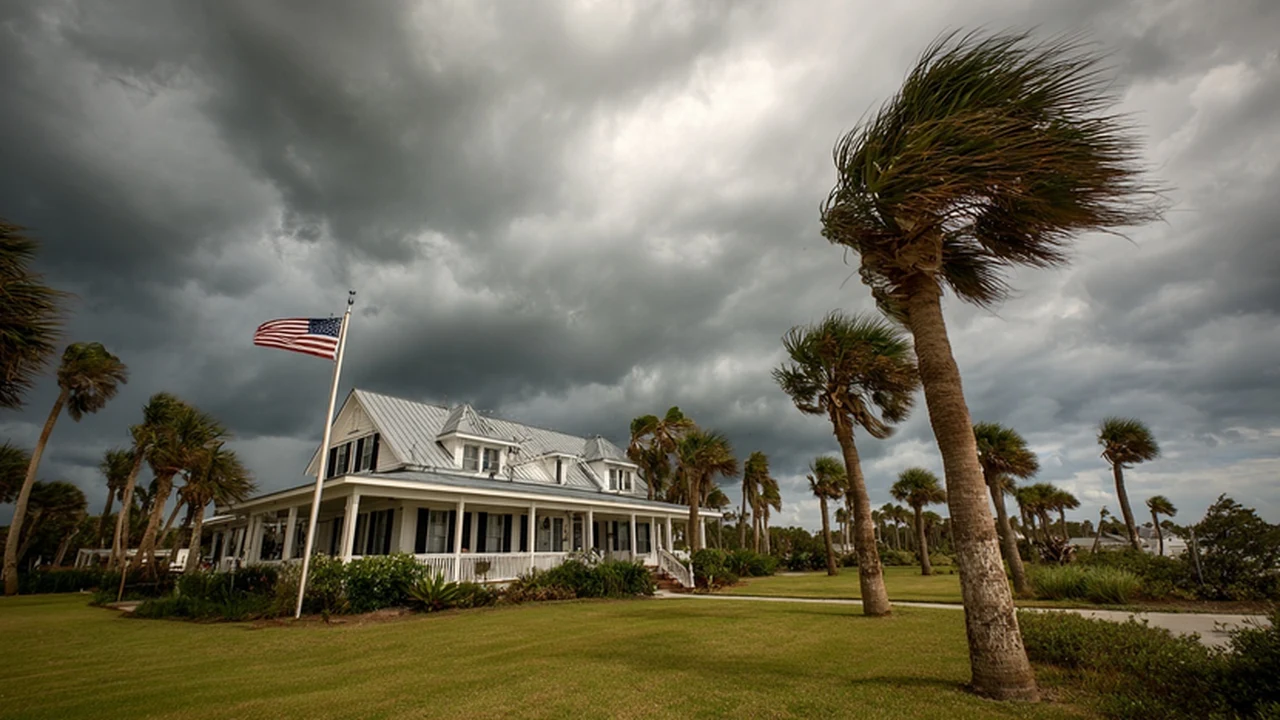
Building a new home on the Gulf or Atlantic coast is the single best opportunity to get hurricane protection right. When protection is designed and installed during construction, it costs less, integrates better, and performs better than retrofitting an existing home. Here is how to make the most of that opportunity.
Why New Construction Is Your Best Opportunity
Retrofitting hurricane shutters on an existing home costs 20–40% more than installing identical products during new construction. The reasons:
- Substrate access — during framing, installers have direct access to structural members for anchoring tracks and hardware. On an existing home, installers must work around finished walls, trim, and siding.
- Electrical rough-in — motorized shutters require electrical wiring. Running conduit during framing is a fraction of the cost of retrofitting wiring in a finished home.
- Integrated design — impact windows and doors can be specified as part of the original window schedule, eliminating the cost of removing standard windows and installing new ones later.
- One permit, one inspection — storm protection included in the original construction permit is inspected as part of the final building inspection, not as a separate process.
What Building Codes Require
New coastal construction must meet current building code wind zone requirements for the project location. Your architect or engineer will specify the design wind speed for the site — everything from the roof framing to the window protection must be engineered to that speed.
In Florida:
- All openings must have impact-rated protection or storm shutters with valid FL approval for the site's design wind speed
- Miami-Dade and Broward County HVHZ require NOA-approved products on all openings
- The building permit will not be issued without approved opening protection specifications
- Final inspection will not pass without confirmed installation of the specified protection
Your builder is legally responsible for meeting these requirements. Your role is to ensure the protection specified meets your preferences and budget — not just the minimum code requirement.
Product Choices for New Construction
| Option | New Construction Cost | Retrofit Cost | Best For |
|---|---|---|---|
| Impact Windows Throughout | $18,000–$35,000 | $25,000–$50,000+ | Maximum convenience, insurance savings, resale value |
| Accordion Shutters | $8,000–$16,000 | $10,000–$20,000 | Best cost/convenience balance |
| Impact Windows + Accordion on Large Openings | $14,000–$28,000 | $20,000–$40,000 | Hybrid — best of both for high-value homes |
| Motorized Roll-Downs | $20,000–$40,000 | $28,000–$55,000 | Convenience premium — smart home integration |
Use our cost calculator to model costs for your specific home before finalizing the spec with your builder.
Working With Your Builder on Protection
Builders vary significantly in how they handle storm protection — some include it as a standard allowance, others treat it as a separate subcontractor scope. Key things to establish upfront:
- Is protection included in the base contract? Ask specifically what opening protection is included in the base price and what the specifications are — product type, manufacturer, FL approval number.
- Who selects the subcontractor? Builders typically have preferred shutter subs. Ask to see the sub's license and verify it yourself — the builder's relationship doesn't mean the sub is properly licensed.
- Can you upgrade? Most builders allow you to upgrade from the base spec (often storm panels) to accordion shutters or impact windows. Get the upgrade pricing in writing before signing the build contract.
- What is the electrical allowance for motorized shutters? If you want motorized roll-downs or smart home integration, confirm the electrical rough-in is included in the protection scope.
Insurance Planning for New Construction
One of the most important financial decisions in new coastal construction is the opening protection choice — because it directly determines your annual insurance cost for the life of the home.
Before finalizing your protection spec, get an insurance quote for the completed home with each option:
- Storm panels only (minimum code)
- Accordion shutters throughout
- Impact windows throughout
The annual insurance difference between the minimum-code option and impact windows can be $2,000–$5,000 per year on a high-value coastal home. Over 10 years, that difference may exceed the upgrade cost. Our insurance savings estimator can help you model this before you commit to a spec.
Frequently Asked Questions
My builder says impact windows are standard. Do I still need shutters?
If your builder is specifying impact-rated windows and doors throughout, you likely do not need shutters in addition — impact windows are a complete opening protection solution. Verify that the impact windows specified carry the required FL approval or NOA for your wind zone and that all openings including garage doors are covered. Ask for the specific product approval numbers before signing.
Can I add motorized shutters to my smart home system during construction?
Yes — and construction is the ideal time to do it. During framing, your electrician can run conduit and homerun wiring for each shutter motor to a central control location at minimal cost. Smart home systems like Control4, Lutron RadioRA, or Savant can integrate motorized shutters for whole-house closure from a single button or app. Budget the smart home integration scope with your low-voltage contractor during pre-construction planning.
What if my builder's shutter sub seems underqualified?
Ask for the subcontractor's license number and verify it yourself using our verify contractor tool. Ask the sub directly for the FL approval numbers of the products they plan to install. If they cannot provide these or seem evasive, raise the issue with your builder and request a qualified alternative. Your building permit and final inspection depend on compliant installation.
Waste bags at the curb spread E. coli, Leptospirosis, and Norovirus across entire neighborhoods through rainwater runoff, animal vectors, and children near debris piles. Double-bag all waste. Label it BIOHAZARD. Keep all children and pets away from every curb pile on your street — not just your own.
Full disease prevention guide — all 13 states →