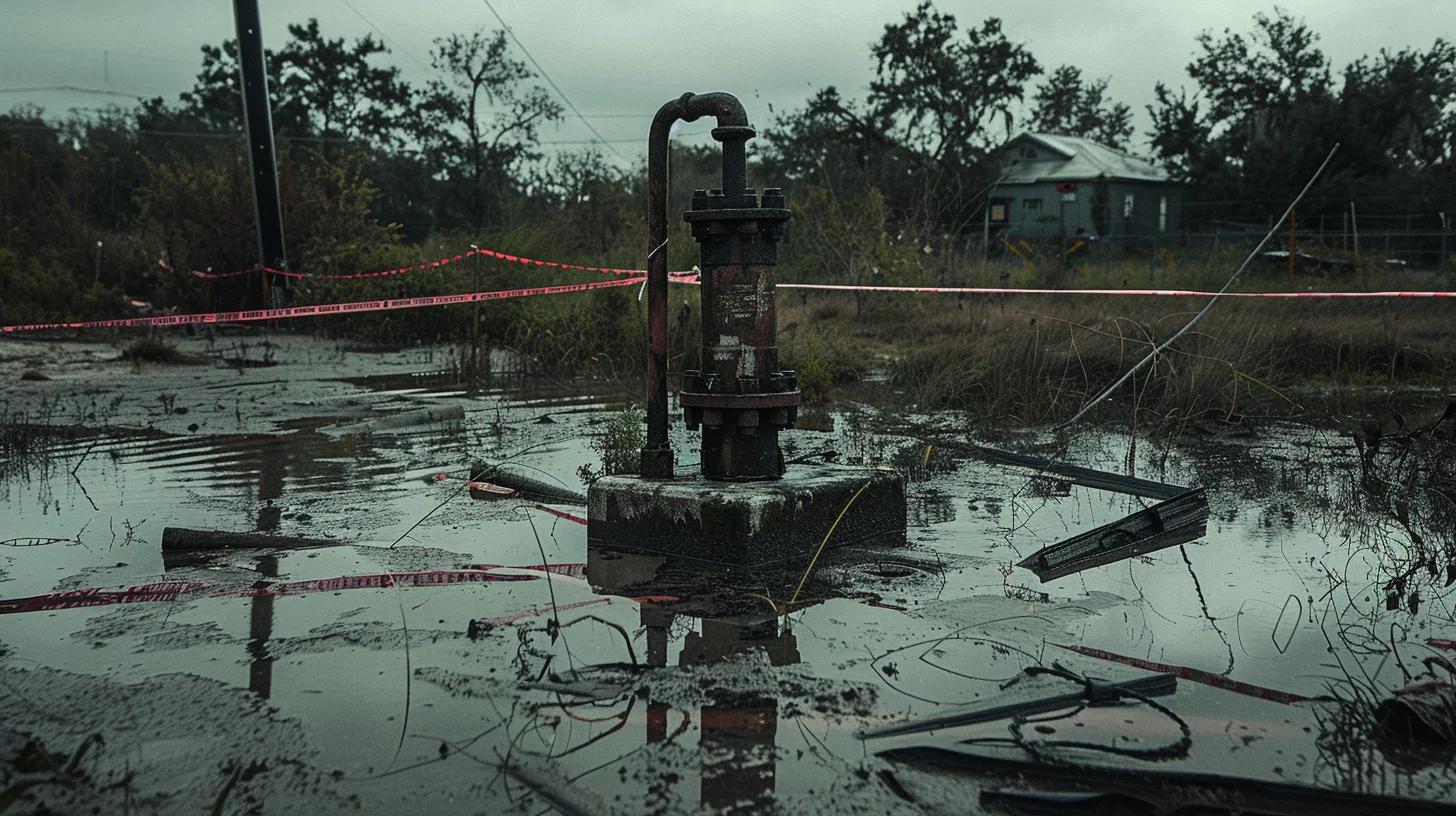
After a hurricane, assume all water is unsafe until confirmed otherwise — regardless of how it looks, smells, or tastes. Biological and chemical contaminants that make water dangerous are invisible. The consequences of drinking contaminated water range from severe gastrointestinal illness to life-threatening diseases including leptospirosis, hepatitis A, typhoid fever, and cholera.
Boil Water Orders — What They Mean and How to Follow Them
A boil water order (BWO) is issued by your water utility or local health department when the safety of the municipal water supply cannot be guaranteed. After a hurricane, BWOs are commonly issued when:
- Water pressure drops below minimum safe levels (allowing contamination to enter pipes)
- Treatment plant operations are disrupted by the storm
- Distribution lines are damaged or flooded
- Routine water testing cannot be completed
How to properly boil water:
- If water is cloudy, filter it through a clean cloth or coffee filter first
- Bring water to a rolling boil — large bubbles breaking the surface
- Boil for at least 1 minute (3 minutes if you are above 6,500 feet elevation)
- Let water cool before drinking — store in a clean, covered container
A boil water order applies to ALL uses of tap water for consumption: drinking, making ice, brushing teeth, washing fruits and vegetables, and preparing food. It does not apply to bathing (adults), washing dishes (if you use hot water and soap and air dry), or flushing toilets.
Boil water orders are lifted only when utility testing confirms the water is safe. Avoid assuming the order has been lifted because your water looks normal or because neighbors say it's fine. Check your local utility's website or call 211 for official status.
Private Well Safety After a Hurricane
Private wells are not covered by municipal boil water orders. They are entirely your responsibility. If your well was flooded — even partially — treat it as contaminated.
Step 1: Do not use the well
Until testing confirms safety, use only bottled water or properly boiled water for all consumption.
Step 2: Disinfect the well
This process is called "shock chlorination." Contact your county health department or extension office for the exact protocol for your well type and depth. Generally: calculate the volume of water in your well, add the appropriate amount of unscented liquid chlorine bleach (5.25–8.25% sodium hypochlorite), allow to sit for 12–24 hours, then pump out until chlorine smell is gone.
Step 3: Test before drinking
After disinfection and flushing, collect a water sample and submit to a state-certified laboratory for testing. Test for: total coliform bacteria, E. coli, nitrates, and any contaminants specific to your area (pesticides if near agricultural land, heavy metals if near industrial sites). Results typically take 2–5 business days.
Your county health department can provide free or low-cost testing after a declared disaster. Contact them before paying for commercial testing.
Municipal Water — When Is It Actually Safe Again
Municipal water systems must meet EPA standards before a boil water order is lifted. The process typically involves:
- Restoration of adequate water pressure throughout the system
- Flushing of distribution lines
- Collection of water samples at multiple points throughout the system
- Laboratory testing with negative results for total coliform bacteria
- Regulatory review and official order lift
This process typically takes a minimum of 48–72 hours after pressure is restored and can take much longer for large systems or after major infrastructure damage. After the order is lifted, run cold water taps for 2 minutes before using to flush the lines in your home.
Safe Water Sources After a Hurricane
- ✅ Commercially bottled water — safest option; unopened bottles from sealed cases
- ✅ Properly boiled tap water — rolling boil for 1 minute, cooled and stored in clean containers
- ✅ Water purification tablets — iodine or chlorine tablets per label directions; less effective against Cryptosporidium
- ✅ Filtered water — only if filter is rated for bacteria and viruses (NSF/ANSI Standard 53 or 58); most pitcher filters are NOT rated for this
- ✅ FEMA/Red Cross distribution points — check local emergency management for locations
- ❌ Surface water — streams, ponds, canals, puddles — never safe without boiling AND filtering
- ❌ Floodwater — contains sewage, chemicals, bacteria, and viruses
- ❌ Ice made before the storm — if your power was out, assume your ice maker produced contaminated ice
Frequently Asked Questions
Can I shower during a boil water order?
Yes, adults can shower during a boil water order as long as they avoid swallowing water. Supervise young children closely during bathing to prevent water ingestion. People with open wounds, weakened immune systems, or gastrointestinal illness should use bottled or boiled water for bathing.
How long can I store boiled water?
Properly boiled water stored in a clean, covered container can be kept for up to 6 months. Store away from direct sunlight. Label containers with the date boiled. Use within 24 hours if stored in the refrigerator without a cover.
My water smells like chlorine after the boil water order was lifted. Is it safe?
Yes. A chlorine smell after a boil water order is lifted indicates the utility has properly disinfected the system — it is a sign of safety, not contamination. The smell will dissipate within a few hours of filling a glass and letting it sit, or you can run the tap briefly before filling.
How do I know if my well casing was flooded?
Inspect the well cap and casing after the flood recedes. Signs of flooding include: debris or mud around the well head, a displaced or damaged well cap, silt or discoloration in the water when you first pump it, or simply knowing the water level in your area rose above the top of your well casing. When in doubt, test.