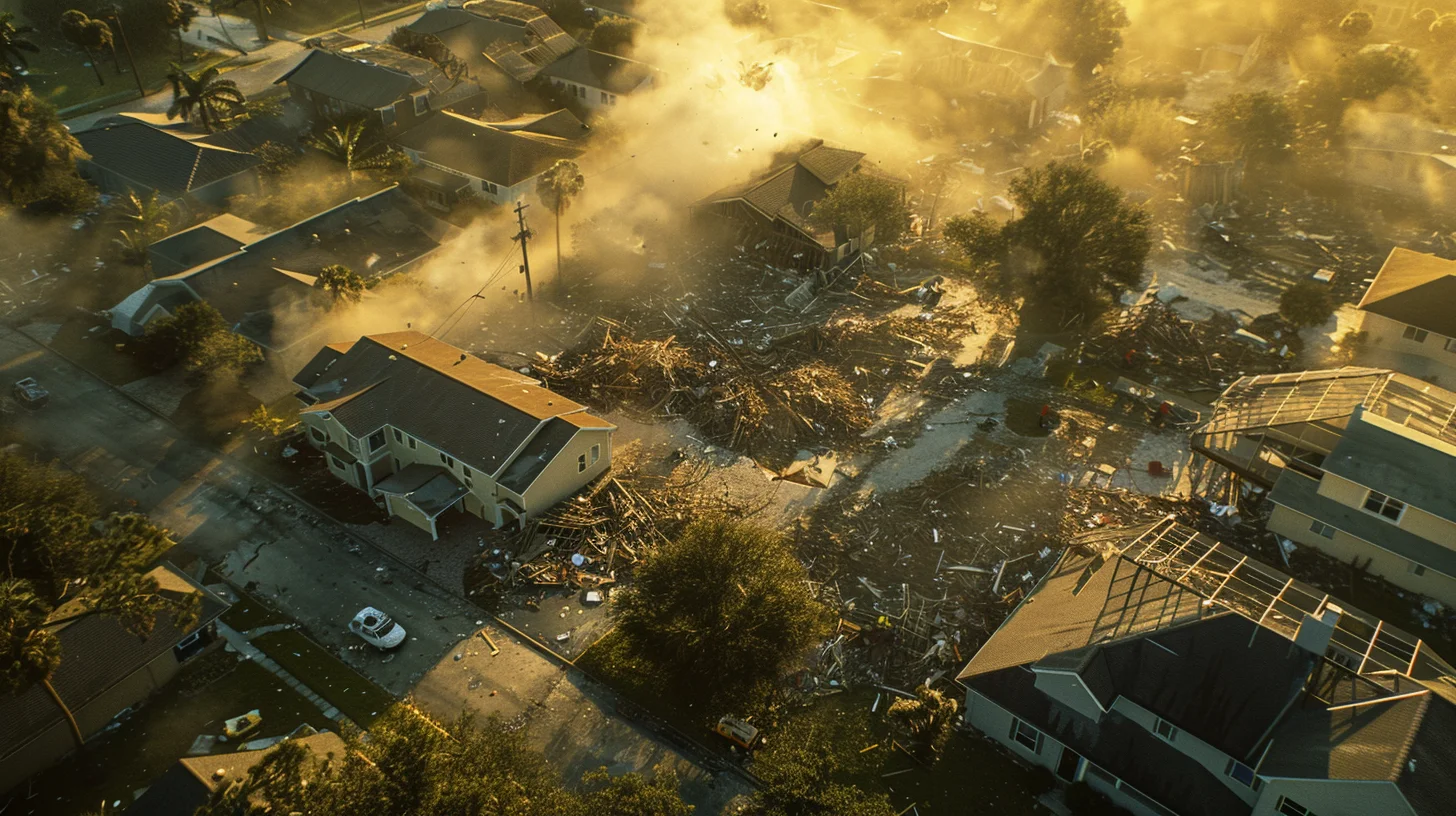
Mosquitoes can complete their life cycle — from egg to biting adult — in as little as 7 to 10 days in warm conditions. After a Gulf Coast hurricane in summer, standing water can produce the first wave of new adult mosquitoes within one week of the storm passing. Post-hurricane mosquito populations in affected areas can reach 10 to 100 times normal seasonal levels.
The Mosquito Breeding Timeline After a Hurricane
| Days After Storm | Mosquito Life Stage | Risk Level |
|---|---|---|
| Day 1–2 | Eggs laid in standing water | Low — no biting adults yet |
| Day 2–4 | Larvae (wrigglers) in water | Window to treat water with larvicide |
| Day 4–7 | Pupae forming | Last window to eliminate before adults emerge |
| Day 7–10 | Adult mosquitoes emerge | High — biting adults, disease transmission possible |
| Week 2–4 | Population explosion, multiple generations | Peak risk — populations can reach 100x normal |
Mosquito-Borne Diseases Active in Hurricane Zones
- West Nile Virus — Present in all continental US states. Most infections are mild or asymptomatic, but 1 in 150 develop neuroinvasive disease (encephalitis, meningitis). No vaccine or specific treatment. Elderly and immunocompromised at highest risk of severe outcomes.
- Eastern Equine Encephalitis (EEE) — Rare but severe. Fatality rate 30–70% in humans who develop encephalitis. Concentrated in Atlantic and Gulf coastal states, particularly Florida, where post-hurricane flooding creates ideal conditions. No vaccine available.
- Dengue Fever — Transmitted by Aedes aegypti, the same mosquito that breeds in small containers. Active in Florida, Texas border regions, and US territories. Can cause severe flu-like illness; repeat infection with a different strain can cause life-threatening dengue hemorrhagic fever.
- Zika Virus — Primarily dangerous for pregnant women due to risk of microcephaly in infants. Active in Florida and Gulf states during warm months. Aedes mosquitoes breed in very small amounts of water — a bottle cap is sufficient.
- St. Louis Encephalitis — Present across the southern and central US. Most infections mild, but elderly at higher risk of encephalitis. Culex mosquitoes that carry it breed prolifically in standing water after floods.
Protection That Works — and What Doesn't
What works:
- DEET 20–30% — The gold standard. EPA-registered, proven effective. Reapply every 4–6 hours. Safe for children over 2 months old at concentrations up to 30%.
- Picaridin 20% — As effective as DEET, odorless, less greasy. Good alternative for those sensitive to DEET. Reapply every 8–12 hours.
- Permethrin on clothing — Treats fabric, not skin. Kills mosquitoes on contact. Lasts through multiple washes. Essential for cleanup workers spending hours outdoors.
- Long sleeves and pants at dawn/dusk — Most Culex mosquitoes (West Nile, EEE) are most active at dawn and dusk. Aedes (dengue, Zika) bite all day.
What doesn't work:
- Citronella candles — minimal effectiveness outdoors in any wind
- Bug zappers — kill beneficial insects, not mosquitoes
- Ultrasonic repellers — no scientific evidence of effectiveness
- Vitamin B12 supplements — studied and found ineffective
- Dryer sheets — no evidence of repellent properties
Standing Water Elimination — The Property Checklist
Within 48 hours of returning to your property, walk every inch and address every water source. Aedes mosquitoes can breed in as little as a teaspoon of water.
- ✅ Flip or drain all containers — flowerpots, buckets, toys, tarps, coolers, anything that holds water
- ✅ Treat or drain swimming pools — shock with chlorine; if draining, ensure no standing water remains
- ✅ Clear gutters — debris-clogged gutters are prime breeding sites
- ✅ Address low spots in yard — fill or grade areas where water pools
- ✅ Treat unmovable standing water — Bti (Bacillus thuringiensis israelensis) larvicide tablets are safe, effective, and available at hardware stores. Brand name: Mosquito Dunks.
- ✅ Contact county mosquito control — most coastal counties have post-hurricane mosquito response programs. Report large breeding sites.
Frequently Asked Questions
How long does the post-hurricane mosquito surge last?
Typically 4–8 weeks in areas with significant standing water. Populations peak around weeks 2–3 after the storm and decline as standing water evaporates or is treated. Coordinated county-level aerial larvicide and adulticide programs can significantly shorten the surge period.
Is it safe to let my kids play outside after a hurricane?
With appropriate precautions, yes — but apply EPA-registered repellent (DEET or Picaridin) to any child over 2 months, avoid outdoor activity at dawn and dusk when Culex mosquitoes are most active, and eliminate standing water from your property first. Infants should be kept under mosquito netting outdoors.
Are mosquito foggers safe to use?
County-operated foggers use EPA-registered adulticides and are operated according to strict protocols. Residential foggers are less regulated and have variable effectiveness. If using a residential fogger, follow label directions, keep pets and people indoors during application, and do not apply near water bodies. Fogging kills adult mosquitoes but does not prevent new generations from emerging from untreated standing water.