By State
🌴 Florida ⭐ Texas 🎷 Louisiana 🌊 Mississippi 🏖️ Alabama 🍑 Georgia 🌴 South Carolina 🏔️ North Carolina 🦅 Virginia 🦀 Maryland 🗽 New Jersey 🌆 New York 🦞 Massachusetts
Shutter Types
🪗 Accordion ⬇️ Roll-Down 🌺 Bahama 🏛️ Colonial 🛡️ Storm Panels 🕸️ Hurricane Screens 🪟 Impact Windows ↔ Accordion vs Roll-Down ↔ Shutters vs Windows
Guides
🧮 Cost Calculator 🤖 AI Pricing 📋 The Process 🔨 DIY Shutters 🪵 Plywood Guide 🔧 Maintenance 🛒 Supplies 🏷️ AirTags & Security 📋 Family Emergency Plan 🎒 Go Bag Guides
After the Storm
🆘 Disaster Help Hub 🛡️ Post-Storm Safety 🌡️ Heat Safety 🐾 Pets & Livestock 🏠 Roof Tarping 💧 Water Damage 🔌 CPAP & Medical Power 💊 Refrigerated Meds 🌡️ Elderly Heat Safety ⚡ Generator Security 🔍 Find a Lost Pet 🧠 Dementia & Wandering 🌳 Tree Removal Florida Recovery Texas Recovery NC Recovery
Verify Contractor
Florida Texas Georgia North Carolina Virginia New Jersey New York Massachusetts
Free Estimate →
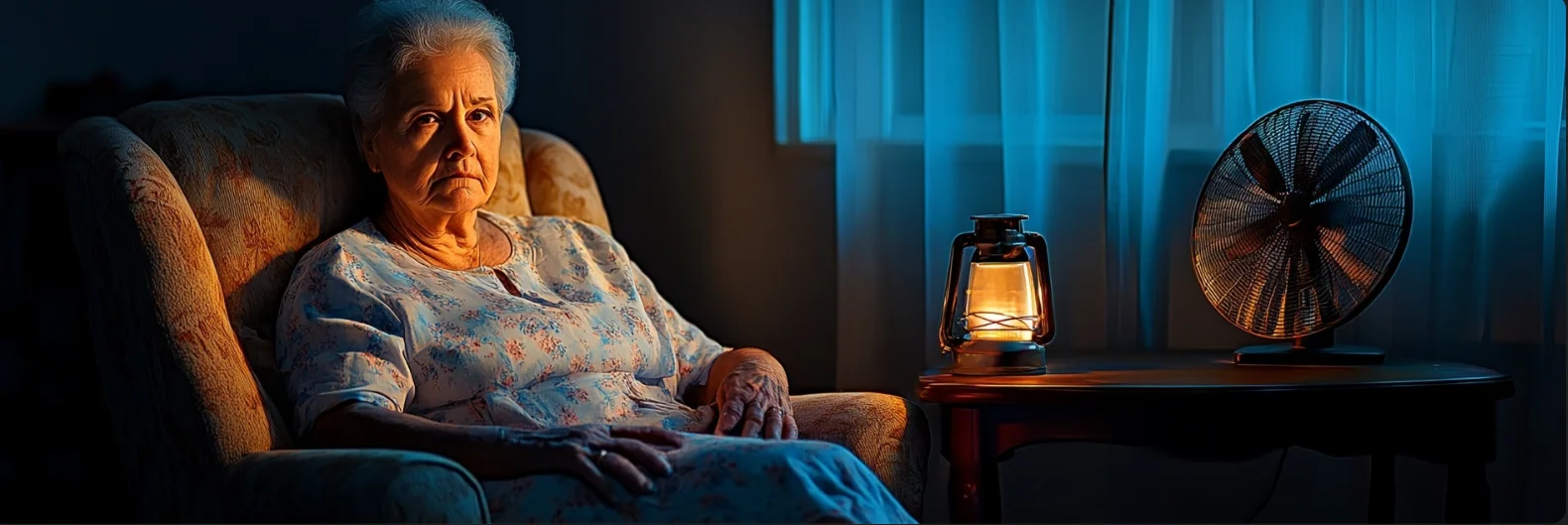
Elderly woman alone in a dim room during a power outage
🧠 Caregiver Safety · Wandering Prevention

Keeping a Loved One With Dementia
Safe When They Wander

About six in ten people with dementia will wander — and a hurricane is the worst possible time for it to happen. The routine is gone, the environment is unfamiliar, the doors are open for evacuation, and the Florida heat outside is dangerous within hours. This is how to keep the person you love locatable and safe, before and during a storm — and exactly what to do if they go missing.

🧠
The Wandering Risk — Higher Than Most Families Realize
Why a storm is the most dangerous time of all

It takes thirty seconds. You turn to answer the phone, and when you look back the front door is standing open and the chair is empty. For families living with dementia, that moment is one of the most common emergencies there is — and a storm makes it far more likely.

Roughly six in ten people living with dementia will wander at some point, according to the Alzheimer's Association — and it often happens the very first time with no warning — a moment of confusion, an open door, and they are gone. What makes a hurricane so dangerous is that it removes every anchor at once: the daily routine is disrupted, the home may be dark or damaged, familiar people are stressed and distracted, and evacuation means strange surroundings. All of that sharply increases confusion and the urge to "go home" or "find" something.

Then the environment turns hostile. Florida heat becomes life-threatening within hours, floodwater hides hazards, and downed lines and debris are everywhere. A person who wanders during or right after a storm is in real danger fast. None of this is a failure of caregiving — it is a known, predictable risk, and it is one you can plan for.

⚠️ Set this up in calm weather

The time to put a tracker on a loved one, enroll in a safe-return program, and add door alarms is now — not when a storm is forming. In the chaos of an evacuation, you want these already in place and familiar, not something you are figuring out under pressure.

🏷️
AirTags & GPS Trackers
Three options, and how to choose between them

There are three practical ways to keep a loved one locatable, and the right one depends on how fast you need to know:

Apple AirTag — inexpensive, no monthly fee, locates through Apple's Find My network whenever any iPhone passes nearby. Excellent in populated areas; not live GPS, so updates thin out where few phones are around.

Cellular GPS tracker — reports real-time location anywhere with cell signal and can send a geofence alert the instant they leave the house or yard. That early warning is the single most valuable feature for a wanderer. The trade-off is a monthly fee and regular charging.

GPS smartwatch for seniors — combines tracking with an SOS button and is worn like a normal watch, which some people accept more readily than a separate device. Same fee-and-charging trade-off.

For someone who wanders, the geofence alert of a cellular tracker is usually worth the fee — knowing the moment they step out is what buys you the time that matters.

← See the complete AirTag & tracking guide for the whole family

OptionRough costMonthly feeBest for
Apple AirTag~$30 (4-pack ~$99)NonePopulated areas; a no-fee backup
Cellular GPS tracker~$30–50~$10–30An active wanderer — instant leave-the-zone alerts
GPS senior smartwatch~$60–150~$10–30Someone who will accept a watch and wants an SOS button

If you do nothing else: for someone who actively wanders, the cellular GPS tracker earns its small monthly fee the first time it tells you they have left the house. Set against a single search-and-rescue night you will never forget, it is one of the cheapest forms of peace of mind you can buy.

👟
Where to Put the Tracker
It only works if it stays on them

This is where most setups fail. People with dementia routinely remove watches, jewelry, lanyards, and anything that feels unfamiliar — so a tracker clipped to a removable item often ends up in a drawer. The goal is to put it somewhere worn every day and not easily taken off:

  • Shoes — a tracker in a sewn-in pouch or under a removable insole is the gold standard. Shoes go on out of habit, and they are what a person wears when they walk out the door.
  • Clothing labels — sewn-in pouches or iron-on holders inside a jacket or a few favorite garments.
  • A locking medical-style wristband — for those who tolerate it, harder to remove than a watch.
  • Belt or waistband holder — discreet and stays put.

Put a tracker in more than one place — shoes plus a jacket — so you are covered no matter what they grab on the way out.

🚪
Wander Prevention & Safe-Return Programs
The best outcome is they never get out the door

Tracking is your safety net; prevention is the first line. A few low-cost steps dramatically cut the risk:

  • Door and exit alarms — a chime or alarm on every exterior door tells you the instant a door opens, day or night.
  • Locks placed out of the usual line of sight — a latch high or low on the door is often not noticed by someone with dementia.
  • Medical ID jewelry stating the person has dementia and a contact number, so anyone who encounters them knows to help.
  • Enroll in a safe-return program such as MedicAlert's wandering-support service, which links ID to a 24-hour emergency line.
  • Tell your neighbors before the storm — a neighbor who knows is often the one who spots and gently redirects a wanderer first.
  • Keep a current photo and written description ready (height, clothing, distinguishing features) so you can hand it to responders instantly.
🆘
If They Go Missing
The first minutes decide the outcome

Do not wait to see if they come back. Act immediately and in this order:

✅ Immediate response checklist

1. Call 911 now. Tell them the person has dementia and may be disoriented — that changes how they search. Do not wait the "24 hours" that applies to other adults.
2. Check the tracker and give responders the live location.
3. Search water and hazards first. People with dementia are often drawn to water, traffic, and former homes or workplaces — check those before anything else.
4. Hand over a recent photo and description you prepared in advance.
5. Ask about a Silver Alert, the public notification system for missing cognitively impaired adults.
6. Notify your safe-return program so its network and ID line are active.

Most people who wander are found close to home, often within the first hour — which is exactly why the early warning of a door alarm and a tracker is so valuable. Minutes count.

🛒
What to Buy
Tracking and prevention, in one place

Set this up before storm season. A tracker with geofence alerts, a door alarm, and ID — plus a sturdy place to keep the tracker on them — cover both prevention and recovery.

As an Amazon Associate we earn from qualifying purchases, at no extra cost to you.
Frequently Asked Questions
Dementia, wandering, and tracking — answered
What is the best GPS tracker for a dementia patient?
For real-time location and an alert the moment they leave home, a cellular GPS tracker or a senior GPS smartwatch is best, at the cost of a monthly fee. An Apple AirTag is a cheaper, no-fee option that locates through nearby phones but is not live GPS.
Where should I put a tracker on someone with dementia?
On something they wear and will not remove — a sewn-in shoe pouch or insole, a clothing label, a belt, or a locking wristband. People with dementia commonly remove watches and jewelry, so anything clipped to a removable item is unreliable. Use more than one spot.
How common is wandering with dementia?
About six in ten people with dementia will wander at some point, often the first time with no warning. A disaster disrupts routine and environment, which sharply raises the risk during and after a storm.
What should I do if they go missing?
Call 911 immediately — do not wait. Give responders the tracker location and a recent photo and description, search nearby water and hazards first, and ask about a Silver Alert. The first minutes matter most.
Will they accept wearing a tracker?
Often more readily if it is invisible or familiar — hidden in a shoe, sewn into a favorite jacket, or built into a normal-looking watch — rather than an obvious new device. Putting it where it is part of getting dressed avoids the resistance a separate gadget can cause.