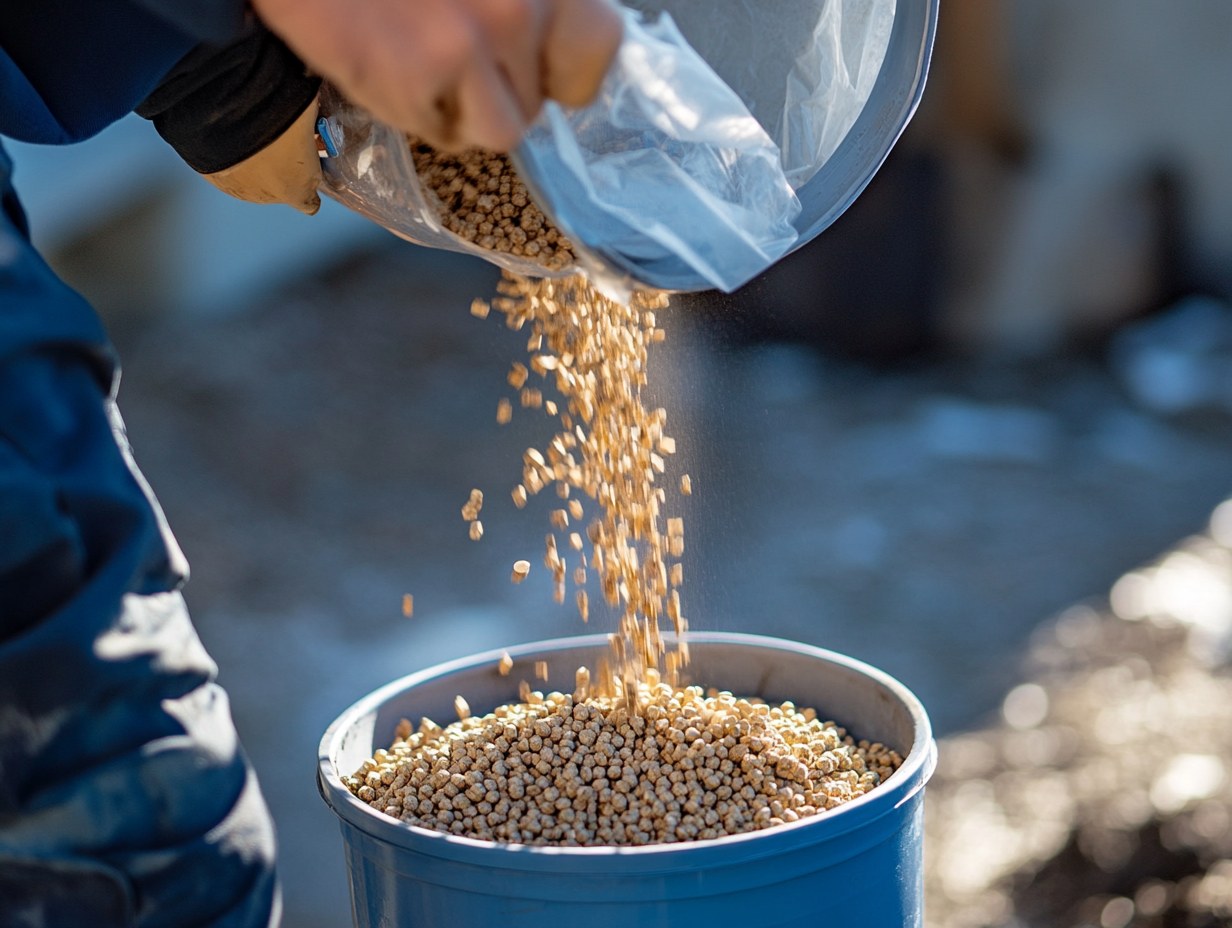
Part of the Hurricane Sanitation System
Pine pellets are the single best-kept secret in hurricane preparedness. A 40-pound bag costs $6–9 at Tractor Supply. It handles a family of four for 10–14 days of emergency toilet use. It outperforms products that cost 10 times as much. And almost nobody outside the prepper and horse farming communities knows they exist.
The Basics
What Pine Pellets Actually Are
"After Irma I used the blue chemical toilet tablets from the camping store. Cost me $3 per tablet, went through twelve of them in five days. After Ian I had two bags of Tractor Supply horse pellets. Spent $14 total. Same five days, same four people, zero odor. I felt like an idiot for not knowing about this sooner."
— Sarasota, FL homeowner · Post-Ian, 2022
Compressed pine wood pellets are made from kiln-dried pine sawdust compressed under high pressure and heat into uniform cylinders about 1 inch long and ¼ inch in diameter. The compression process removes virtually all moisture and produces a product that is extremely dense — a 40-lb bag takes up less space than a bag of kitty litter half its weight.
They are sold primarily as horse stall bedding under brand names like Equine Fresh, Woody Pet, Tractor Supply's house brand, and others. The same product is sold as cat litter under brands like Feline Pine and Ökocat. They are identical — the only difference is the bag artwork and sometimes the price. Always buy the horse stall version — it's the same product at roughly half the price per pound.
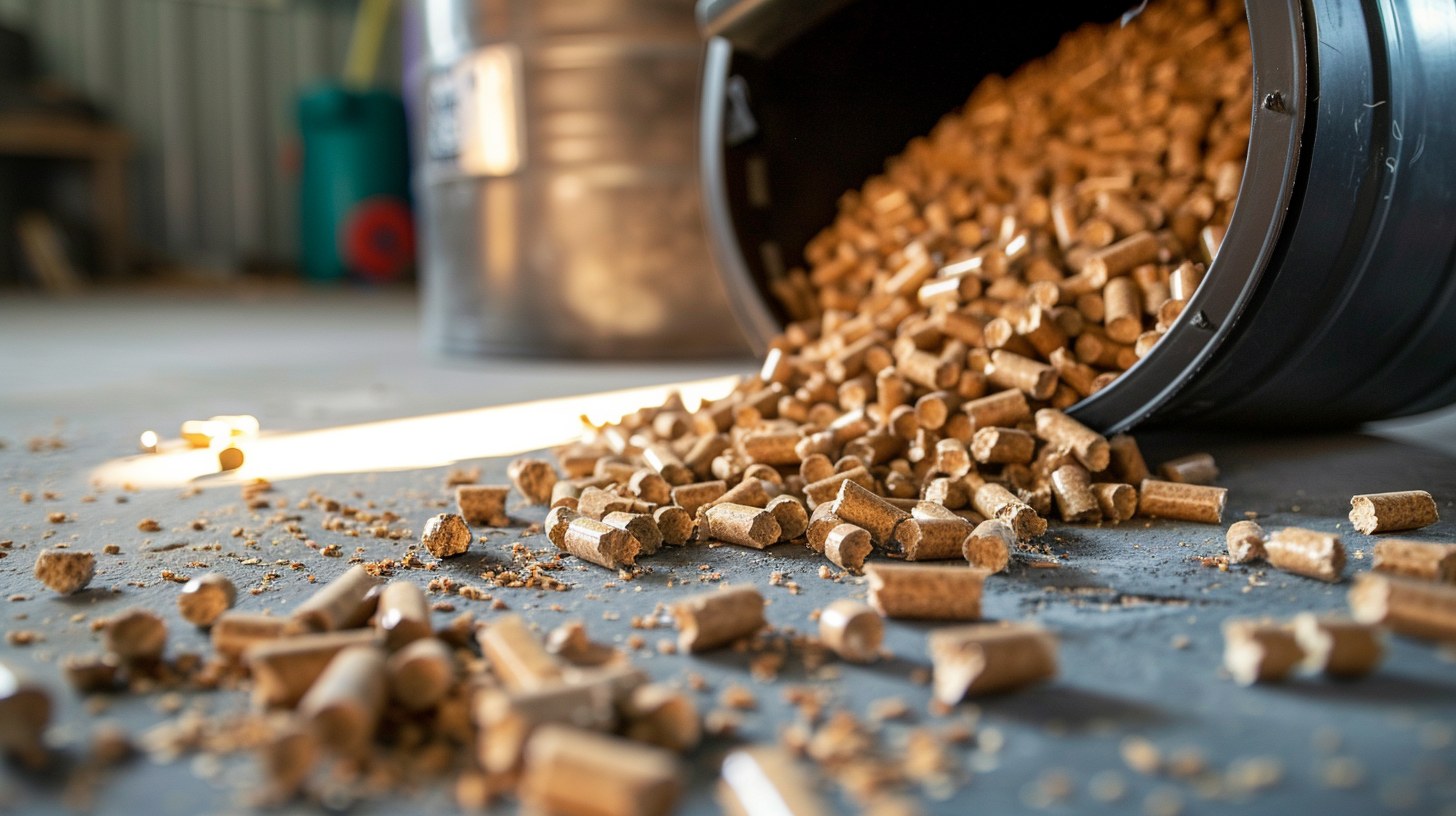
Horse stall pellets and the cat litter version are the same product — buy the horse version and save half the money.
The Chemistry
Why Pine Pellets Work — The Science Nobody Explains
"My husband is a chemist. When I told him about the pine pellet toilet system he looked it up and said 'that's actually really elegant — the lignin does exactly what you'd want at the molecular level.' That was the best endorsement I could imagine. He now won't let us stock anything else."
— Clearwater, FL · Hurricane preparedness group, 2023
Most people assume pine pellets work by absorbing liquid and masking odor with a pine scent. That's not what's happening — and understanding the real mechanism explains why they beat everything else.
🔬 The Lignin Mechanism — What Actually Happens
Step 1 — Contact with liquid: When pine pellets contact urine, they begin absorbing liquid immediately. The compressed structure means they absorb 3–4 times their weight in liquid before saturating.
Step 2 — Expansion into gel: As they absorb liquid, the compressed sawdust expands back to its original volume, forming a loose, gel-like material. This physical expansion traps liquid in the wood matrix, preventing it from pooling at the bottom of the bag.
Step 3 — Lignin chemistry: Lignin — the natural polymer that gives wood its structure — has a strong chemical affinity for ammonia (NH₃). The two molecules bond at the molecular level. Ammonia is the primary source of toilet odor. When lignin binds it, the ammonia is physically removed from the air — not masked by fragrance, not diluted, but chemically neutralized. This is why pine pellets eliminate odor rather than just reducing it.
Step 4 — Slow decomposition: The high lignin content also slows bacterial decomposition of waste — the same process that produces hydrogen sulfide gas. Slower decomposition means less H2S production, which directly reduces the primary safety hazard of extended indoor waste storage.
Why this matters for safety:The H2S reduction effect of pine pellets is a genuine safety benefit that no fragrance-based product provides. Blue chemical tablets kill bacteria (which temporarily reduces H2S) but they lose effectiveness within 24–48 hours in warm temperatures. Lignin binding continues for the full life of the material. In Florida summer heat, this difference is meaningful.
Quantities
How Much Do You Actually Need
"I bought one 40-pound bag before Helene. Family of five, eight days without sewer. We ran out on day six. I had to switch to kitty litter for the last two days and the difference in odor was immediately obvious. Always buy two bags."
— Homosassa Springs, FL · Post-Helene, 2024
| Household size | Duration | Bags needed | Cost |
|---|
| 1–2 people | 7 days | 1 bag (40 lbs) | $7–9 |
| 1–2 people | 14 days | 1–2 bags | $7–18 |
| 3–4 people | 7–10 days | 1 bag (40 lbs) | $7–9 |
| 3–4 people | 14 days | 2 bags | $14–18 |
| 5–6 people | 7 days | 2 bags | $14–18 |
| 5–6 people | 14 days | 3 bags | $21–27 |
| Any size + pets | Add per bag | +1 bag for cats | +$7–9 |
The calculation is based on a 2-inch base layer in a 5-gallon bucket plus approximately one cup of pellets added after each use. Usage varies based on how many people are using the single-bag vs twin-bucket method — the twin-bucket system uses about 30% less pellets because the urine-only bucket needs minimal absorbent.
Always stock one extra bag: Pine pellets are bulky to carry and heavy to transport. If stores are closed after the storm and you run short, there is no substitute available. The extra bag is cheap insurance.
Step by Step
How to Use Pine Pellets in Your Emergency Toilet
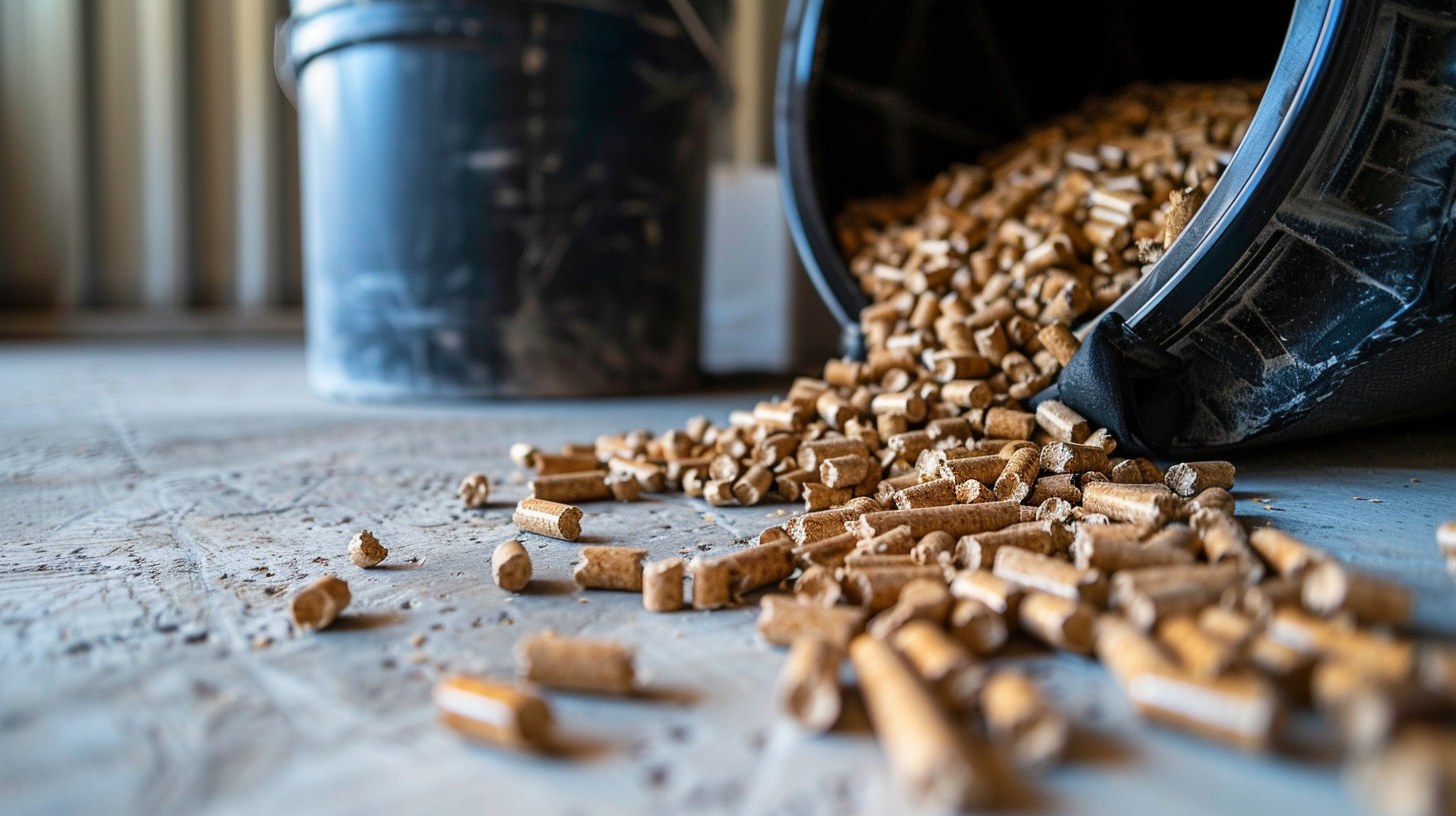
The uniform cylinder shape is the result of high-pressure compression — it's what gives them their exceptional absorption and expansion properties.
Set up your bucket. Line a 5-gallon bucket with a 42-gallon contractor bag, draping the excess over the outside edge. If you have a Gamma Seal lid, set it nearby.
Add the base layer. Pour pine pellets into the bottom of the lined bucket to a depth of approximately 2 inches — about 2–3 cups of pellets. This is the foundation that handles the first contact with liquid.
Use the toilet normally. The pellets will begin absorbing and expanding on contact. You'll see and hear them working — a gentle crackling as they absorb and expand.
Add a scoop after each use. Keep a dedicated scoop (a disposable cup works perfectly) next to the bucket. Add approximately half a cup to one cup of pellets after each use session. This creates a fresh absorbent layer on top and ensures ongoing lignin contact with fresh waste.
Change the bag when 2/3 full. Don't wait until the bag is completely full — the expanded pellets are heavy and a full bag is difficult to lift and tie safely. When 2/3 full, lift the bag out, twist and tie, double-bag in a fresh contractor bag, and dispose outdoors in shade.
Seal the bucket between uses. Thread the Gamma Seal lid on immediately after each use session. This is critical — even well-managed pellet systems produce some residual odor when the bucket is left open in Florida heat.
The crackling sound is good news:When you first add pellets and they contact moisture, you'll hear a gentle crackling and popping as the compressed sawdust expands. This sound means the lignin is activating and the absorption process is working. A bag of pellets that makes no sound when it contacts liquid is too old or was stored in humid conditions and has already partially expanded — replace it.
Head to Head
Pine Pellets vs Every Alternative — The Honest Comparison
"I tested four systems after Hurricane Matthew. Clumping kitty litter, the blue tablet chemicals, sawdust from my shop, and Tractor Supply pine pellets. I documented odor, ease of use, cost per day, and bag weight at disposal. Pine pellets won every category except 'available at Publix the night before the storm.' That's the only reason to ever choose anything else."
— St. Augustine prepper community · 2016
| Product | Cost per 10-day use | Odor control | Liquid absorption | H2S reduction | Availability pre-storm |
|---|
| Pine pellets (horse stall) | $7–9 | Excellent — molecular neutralization | Excellent — 3–4x weight | Yes — lignin slows decomposition | Tractor Supply, farm stores |
| Clumping kitty litter | $15–20 | Good — clay absorbs, some masking | Good — clumps but pools beneath | No | Excellent — grocery stores |
| Non-clumping kitty litter | $10–14 | Fair — minimal odor control | Fair — absorbs slowly | No | Excellent — grocery stores |
| Blue chemical tablets (Walex, etc.) | $20–40 | Good initially — fades in heat | None — liquid only treatment | Partial — kills some bacteria short-term | Good — camping stores |
| BioGel powder | $25–50 | Very good — solidifies waste | Excellent — gels on contact | No | Limited — camping/outdoor stores |
| Sawdust (free) | $0 | Fair — absorbs, natural pine scent | Good — high volume needed | Partial — lower lignin than pellets | Excellent — post-storm debris |
| Peat moss | $8–12 | Good — natural antimicrobial | Very good | Partial | Good — garden centers |
When kitty litter is the right choice anyway
The one scenario where kitty litter beats pine pellets is the 24-hour window before a storm when Tractor Supply is closed, sold out, or too far away. Every Publix, Walmart, and Winn-Dixie in Florida carries clumping kitty litter year-round. If you haven't pre-stocked pine pellets and the storm is coming tomorrow, clumping kitty litter is a solid backup. It's not as good but it works and it's available.
Don't mix products: Using pine pellets and chemical tablets together wastes both. The chemical tablets are designed for liquid-only systems — the pellets already handle liquid absorption more effectively. The fragrance in many tablet products can actually mask the natural pine scent that signals the lignin is working. Pick one system and use it correctly.
Pet Owners
Using Pine Pellets for Cat Boxes During a Hurricane
"We have three cats. After Ian I lined the litter boxes with contractor bags and filled them with horse pellets instead of our normal clay litter. I changed the box three times in ten days instead of scooping twice a day. The odor was actually better than with our normal clay litter. My cats took to it within an hour. I'll never go back to clay litter."
— Fort Myers, FL cat owner · Post-Ian, 2022
Pine pellets work excellently as cat litter and several brands sell them specifically for this purpose (Feline Pine, Ökocat, SmartCat). The horse stall version is identical. For hurricane prep, the advantage is efficiency — you're buying one product that handles both the human emergency toilet and the cat box, from one store, at a lower total cost than buying separate products for each.
The cat box liner system for hurricanes
- Line the litter box with a contractor bag before adding pellets — when it's time to change, lift the whole bag out rather than scooping
- Add a 2-inch layer of pellets — same as the human toilet system
- Cats adapt quickly — most cats accept pine pellets within one to three uses
- Change the whole bag when pellets are fully expanded and saturated — typically every 2–3 days for one cat, daily for two or more
- The expanded pellets are heavy — use a contractor bag and tie it before lifting to prevent seam failure
Transitioning cats mid-storm:If your cats have never used pine pellets and you're switching during an active storm, mix 50/50 pine pellets and their normal litter for the first box change. Most cats adapt within one use. Don't try to transition a cat to a completely unfamiliar litter during the stress of an active hurricane — do it a few weeks before the season starts.
Where to Get Them
Where to Buy Pine Pellets in Florida — Including Citrus County
| Store | Brand | Price (40 lb) | Availability |
|---|
| Tractor Supply Co. | Equine Fresh, TSC house brand | $6–9 | Year-round, consistent stock |
| Rural King | Various horse stall brands | $6–8 | Year-round where available |
| Feed and farm supply stores | Local/regional brands | $5–8 | Year-round — call ahead |
| Amazon (subscribe & save) | Multiple brands | $8–14 delivered | Best for pre-season stocking, not emergency last-minute |
| Walmart (cat litter aisle) | Feline Pine | $12–16 for 20 lbs | Good — but cat version costs 2x per pound |
| Petco / PetSmart | Feline Pine, Ökocat | $15–22 for 20 lbs | Available but expensive — last resort |
Citrus County, FL residents: Tractor Supply on US-19 in Crystal River (4483 N Suncoast Blvd) carries Equine Fresh and their house brand horse stall pellets year-round. Stock is reliable outside of storm season — during the 72-hour window before a major storm they can sell out. Tractor Supply in Inverness on US-41 is a backup. Call ahead: Crystal River store 352-795-8820.
Pre-season buying strategy
The best time to buy pine pellets is in April or May — before hurricane season starts, before any storm threat develops, and before the panic buying begins. Buy your full season supply at once. Two 40-lb bags costs $14–18 and takes up less space than a case of water bottles. Store in a cool dry place in their original sealed bag — they last indefinitely when kept dry.
Storage
How to Store Pine Pellets for Hurricane Season
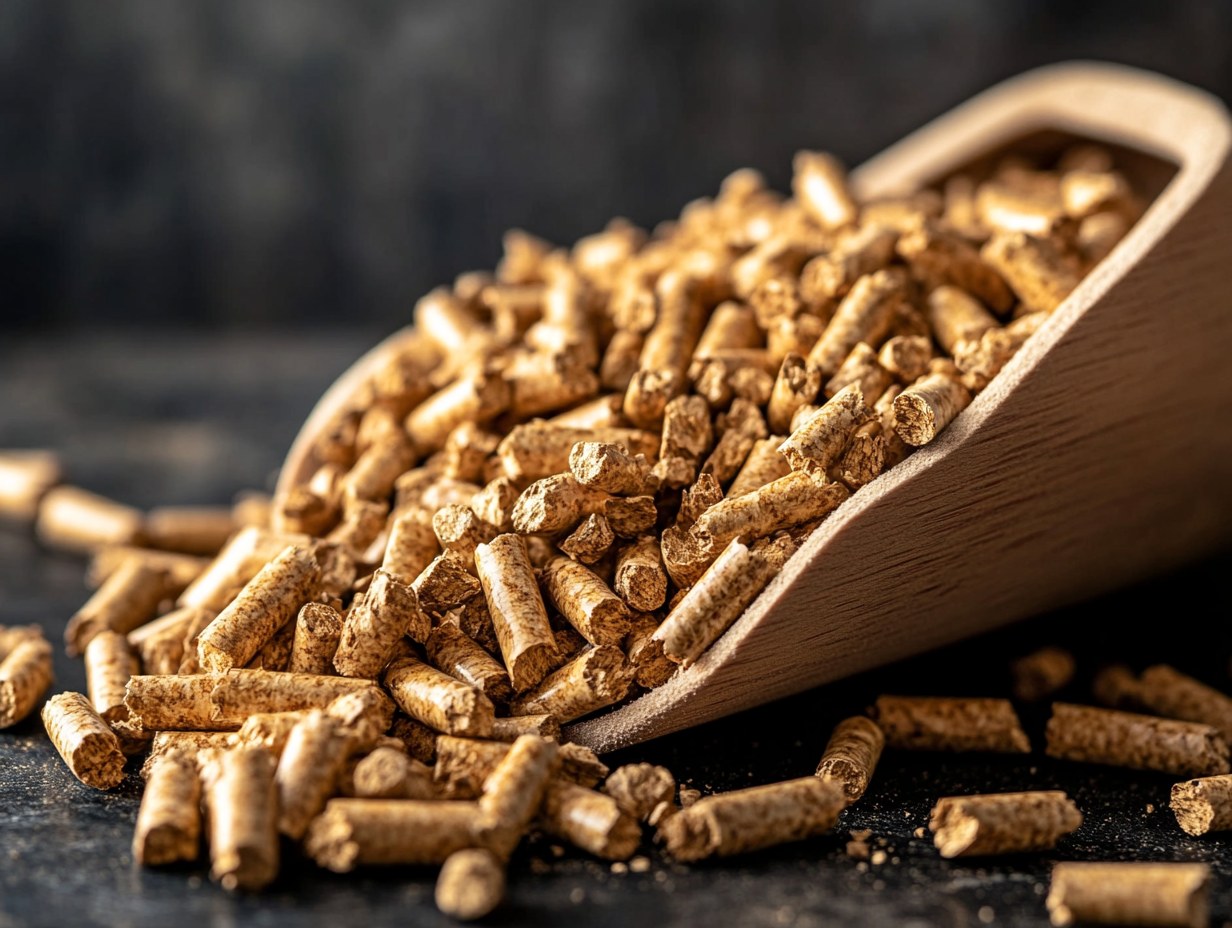
Store in original sealed bags inside a waterproof bin. Moisture is the only enemy — dry pine pellets last indefinitely.
"I bought two bags before the 2023 season and stored them in my garage on a shelf. After Idalia I opened the first bag and the pellets crumbled into sawdust when I touched them — they'd gotten damp from the garage humidity over the summer. The second bag was inside a sealed plastic tote and was perfect. Lesson learned."
— Crystal River, FL resident · 2023
Pine pellets' only vulnerability is moisture. If they absorb ambient humidity while in storage they will partially expand and lose their absorbency. A bag that has been compromised by humidity will crumble when you try to handle the pellets rather than holding their cylinder shape — that's your test.
- Original bag is not enough in Florida humidity. The paper or thin plastic bags pellets come in are not moisture barriers for Florida summer conditions. Always transfer to additional protection.
- Best storage: Place the sealed original bag inside a large resealable plastic storage tote with a locking lid. This creates a humidity barrier that handles Florida's summer conditions indefinitely.
- Acceptable storage: Original sealed bag inside a large contractor bag, tied off. Less ideal than a hard tote but works for single-season storage.
- Test your stored pellets before every hurricane season — grab a handful and roll them between your palms. They should feel firm and hold their cylinder shape. If they crumble easily into sawdust, humidity has gotten in and they've partially pre-expanded. Still usable but at reduced capacity — buy fresh bags.
- Never store near a water heater, washing machine, or any source of steam or condensation.
Critical Safety
Children, Animals, and Biohazard Safety — What Pine Pellet Users Must Know
"We had our emergency toilet bucket set up in the bathroom during the outage after Idalia. Our two-year-old got in there while I was cooking and tipped the bucket over. Open bag, pellets everywhere, waste material on the floor. She had her hands in it before I got to her. That was a terrifying few hours waiting to see if she'd get sick. She was fine but we learned — the bucket has to be behind a closed door, always."
— Inverness, FL parent · Post-Idalia, 2023
☠️ The bucket toilet system is a biohazard station — treat it like one
Pine pellets themselves are non-toxic and safe for children and animals to handle. But the bucket toilet system they're part of contains Category 3 biohazardous material — human waste carrying E. coli, Salmonella, norovirus, Cryptosporidium, and in flood conditions, Leptospira bacteria. The pellets neutralize odor and slow decomposition but they do not sterilize waste. Every rule below applies to the complete system, not just the bags.
Children and the bucket toilet system
- The bucket must be behind a closed door at all times. A dedicated bathroom, a closet, a screened porch — anywhere a child cannot access unsupervised. An open bucket at floor level is a tipping hazard, a hand-contamination hazard, and if there's an open contractor bag, a suffocation hazard.
- Contractor bags kill children through suffocation. A child who pulls an open contractor bag over their head creates an airtight seal. The bag will not tear. Loss of consciousness within 2–3 minutes. All open bags must be attended. All unused bags must be stored out of reach — not on the floor, not in open bins.
- Children at floor level face higher H2S exposure. Hydrogen sulfide is heavier than air and accumulates at floor level — exactly where young children play. Never allow children into the bathroom or space where the bucket has been used without first ventilating the room completely.
- Any child who contacts waste bag contents needs immediate hand washing with soap and water for at least 20 seconds, followed by hand sanitizer. If they put their hands near their mouth or eyes, call your pediatrician for guidance on monitoring for symptoms.
Animals and the bucket toilet system
- Dogs will investigate and potentially consume bucket contents. The smell of waste in a bucket is extremely attractive to dogs. Keep the Gamma Seal lid threaded on at all times between uses — it creates an airtight seal a dog cannot open. A standard snap-on lid will not stop a determined dog.
- Cats will climb inside open contractor bags. Check all bags before tying. A cat inside a sealed bag cannot escape.
- Animals contacting waste bag contents face: bacterial infection (E. coli, Salmonella, Campylobacter), Leptospirosis in flood conditions, and intestinal issues from ingested pine pellet material (pine pellets are non-toxic but not meant for ingestion in quantity). Any pet that accesses waste bag contents should be seen by a vet within 24 hours.
Biohazard labeling on every bag
Before tying off any waste bag, write on the outside with a permanent marker on white duct tape:
⚠️ HUMAN WASTE — BIOHAZARD — DO NOT OPEN — KEEP AWAY FROM CHILDREN AND ANIMALS
This label protects anyone who encounters the bag after you — family members coming home, neighbors helping with cleanup, debris crews, children who find bags outdoors. A labeled bag communicates the hazard in the 2 seconds before someone makes a dangerous mistake.
Complete Sanitation Series
Build the Full Hurricane Sanitation System
Pine pellets are one part of a complete system. Each component has its own deep-dive guide.
Get your free shutter estimate →