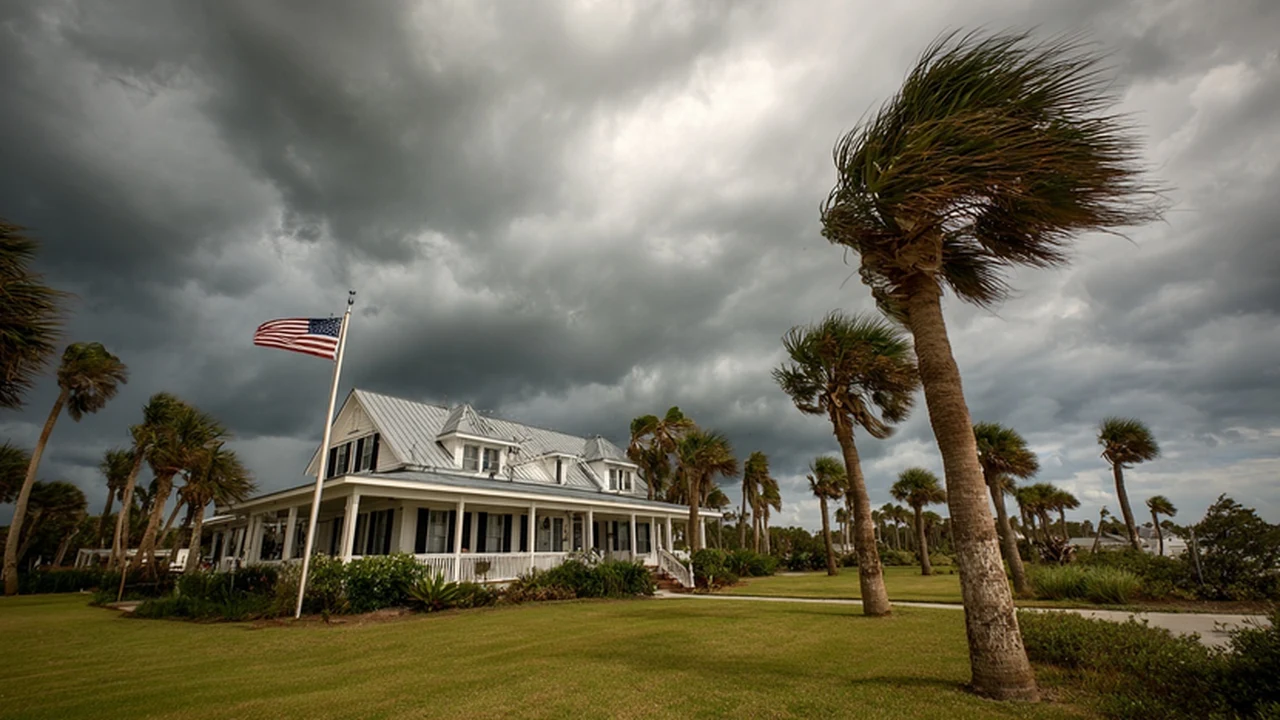
Your shutters handle wind. Your flood insurance, evacuation plan, and documentation protocol handle flood. Both are necessary. Neither replaces the other.
Annual Checklist — Before June 1st
- ✅ Confirm flood insurance is active — Check renewal date. Confirm limits against current replacement value. Increase coverage if underinsured — not when a storm is forming.
- ✅ Know your evacuation zone — Write your zone on paper and keep it with important documents. Know which zone gets ordered to evacuate first in your county.
- ✅ Identify your destination — Know where you'll go and have a backup. Confirm pet policies if you travel with animals.
- ✅ Complete a home inventory video — Every room, narrated, with serial numbers on appliances and electronics. Store in Google Photos or iCloud — so it survives even if your home doesn't.
- ✅ Locate all important documents — Both insurance policies, deed, mortgage, passports. Scan digitally. Keep originals in a waterproof container.
- ✅ Inspect and test hurricane shutters — Close and open every shutter. Lubricate tracks. Replace worn components. A stuck shutter in a storm is not protection.
When a Hurricane Is Approaching
72+ Hours Out
- Monitor nhc.noaa.gov directly — not social media or news interpretation.
- Check your evacuation zone against forecast surge projections. If your zone is in the projected surge area, begin planning to leave.
- Fill your vehicle with gas now — stations run out quickly as a storm approaches.
- Begin closing hurricane shutters. Don't wait until the last 12 hours.
48 Hours Out
- If in an evacuation zone, pack your go-bag and documents now — not when the order comes.
- Move important items and electronics to the highest point in your home.
- Photograph the exterior with shutters closed — timestamped proof of pre-storm condition for your insurance claim.
When Evacuation Is Ordered — Leave
Evacuation orders for surge zones are not suggestions. Storm surge arrives faster than most people expect. People drown in their own homes every hurricane season because they stayed in zones ordered to evacuate. Your shutters cannot protect against drowning.
- Take your go-bag, documents, medications, and pets.
- Tell someone your destination and expected arrival time.
- Do not return until local authorities confirm it is safe.
After Your Home Has Flooded — What to Do First
- ⚠️ Do not enter until authorities confirm structural safety and water is clear of contaminants.
- ⚠️ Do not turn on electricity until a licensed electrician has inspected the system.
- 📸 Photograph everything before any cleanup — every room, every item, all water lines on walls. This is your evidence.
- 📞 Contact your flood insurer first — not your homeowner's insurer. These are separate claims going to separate adjusters.
- 📋 Document what you throw away — photograph items before disposing of them. Adjusters cannot pay for damage they cannot verify.
- 🕐 Begin drying immediately — mold starts within 24–48 hours in coastal humidity.
Frequently Asked Questions
What's the single most important flood prep action?
Purchase flood insurance if you don't have it, and verify limits if you do. Without it, a flooding event can be financially catastrophic regardless of how well everything else was done.
How long does a flood insurance claim take?
NFIP claims typically take 30–60 days after inspection for straightforward claims. Maintain an emergency fund separate from expected insurance proceeds — you may need to begin repairs before payment arrives.
Can I dispute a flood insurance claim decision?
Yes. NFIP policyholders can appeal through the FEMA appeals process, or with a licensed public adjuster or insurance attorney. Submit disputes in writing within 60 days of the claim decision.
Waste bags at the curb spread E. coli, Leptospirosis, and Norovirus across entire neighborhoods through rainwater runoff, animal vectors, and children near debris piles. Double-bag all waste. Label it BIOHAZARD. Keep all children and pets away from every curb pile on your street — not just your own.
Full disease prevention guide — all 13 states →