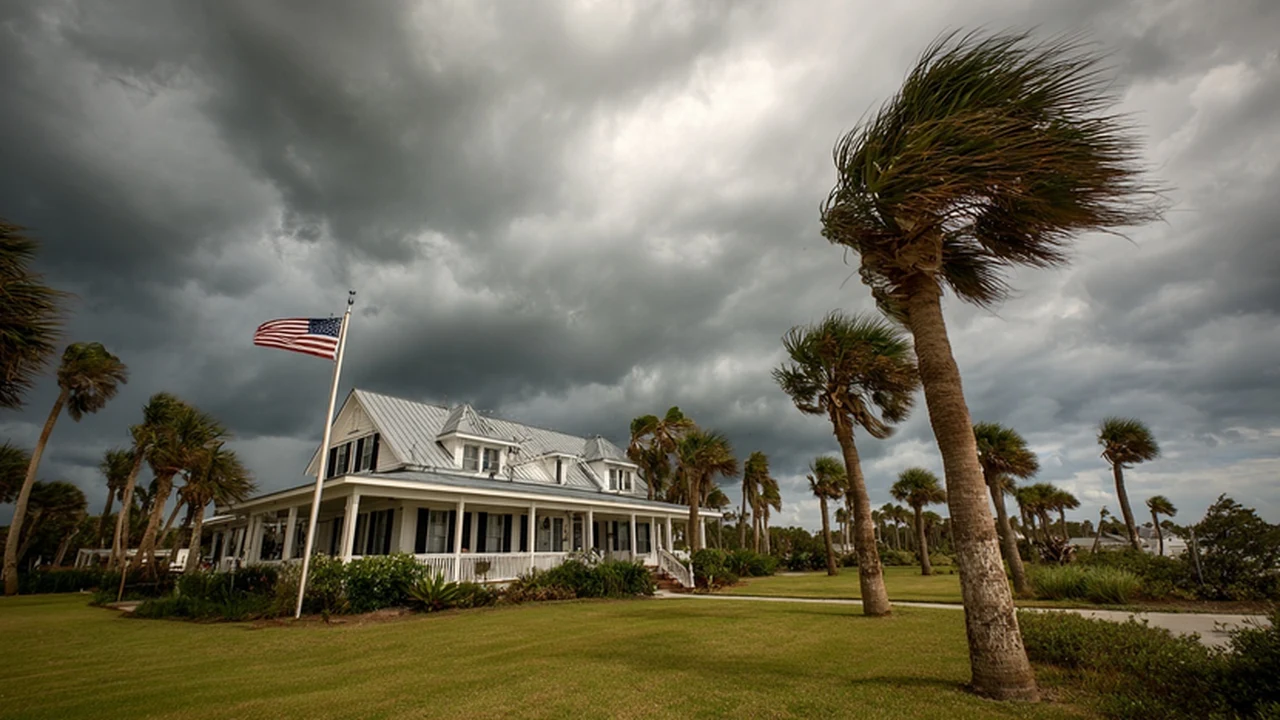
You just bought or rented a home in a coastal state. Maybe it's Florida, Texas, Louisiana, or anywhere along the Gulf or Atlantic coast. And now everyone keeps telling you: get hurricane shutters. Here is what that actually means, what it costs, and what to do first.
Step 1 — Find out what your home already has
Before you spend anything, find out what storm protection is already in place. Check every window and door opening:
- Accordion shutters — look for metal housings mounted beside windows
- Roll-down shutters — look for a box housing above the window
- Storm panels — look for tracks or clips around window frames (panels stored separately)
- Impact windows — look for "PGT," "CGI," or "Simonton" labels on the glass edge
If you see any of these, ask the previous owner or your realtor for the product approval numbers. These tell you what wind rating the protection is certified to — critical for insurance discounts and code compliance.
Step 2 — Find out your wind zone
Every coastal county has a wind zone rating — a design wind speed your home's protection must be rated to withstand. This determines which products are code-compliant for your address and what your insurance requires.
Florida's Miami-Dade and Broward counties have the strictest requirements in the country — the High-Velocity Hurricane Zone (HVHZ) — which requires products with higher impact ratings that cost more. Other Florida counties and all other states have lower but still significant wind speed requirements.
Look up your county's wind zone at your county building department website, or use our cost calculator which automatically loads your county's wind zone when you select your location.
Step 3 — Understand your insurance requirement
In most coastal states, your homeowner's insurance policy has a separate wind or hurricane deductible — often 2–5% of your home's insured value. That means on a $400,000 home your hurricane deductible could be $8,000–$20,000 before insurance pays anything.
Installing impact-rated shutters or windows can reduce your wind insurance premium by 15–45% depending on your insurer and the product you install. In Florida this is known as the Opening Protection Credit. Use our insurance savings estimator to calculate your potential discount before spending a dollar on shutters.
Ask your insurance agent specifically: "What opening protection do I need to get the maximum wind mitigation discount?" Get the answer in writing before you buy anything.
Step 4 — Know your shutter options
There are six main types of hurricane protection. Here's the quick version for someone new to this:
| Type | Cost | How it works | Best for |
|---|---|---|---|
| Storm Panels | $15–$30/sq ft | Mount before storm, store after | Tightest budget |
| Accordion | $25–$35/sq ft | Pull across and latch — always installed | Best value permanent |
| Roll-Down | $45–$100/sq ft | Roll down from housing — manual or motor | Convenience premium |
| Impact Windows | $40–$100/sq ft | Always protected — no deployment | Hands-off protection |
Most first-time coastal homeowners start with accordion shutters — they're permanently installed, deploy in minutes, and hit the sweet spot on cost and convenience. See our 2026 cost guide by state for prices in your area.
Step 5 — Hire a licensed contractor
Hurricane shutter installation requires a permit in most coastal counties. That means you need a licensed contractor — not a handyman, not your neighbor, not a Craigslist installer.
Every coastal state has a contractor license lookup tool. Use our verify contractor tool to check any installer's license before signing anything. Key things to verify:
- License is active and in good standing
- License covers the type of work (window/door or general contractor)
- They carry liability insurance and workers comp
- They pull the permit — never let a contractor ask you to pull your own permit
Get at least 3 written quotes. The range between the lowest and highest quote for identical work is often 30–40%.
When should you do this?
The Atlantic hurricane season runs June 1 through November 30. The best time to install shutters is October through April — the off-season. Reasons:
- Contractors are less busy — more competitive pricing
- Permit processing is faster
- You can take your time comparing quotes
- You'll be protected before next season starts
If you're reading this during hurricane season and you don't have protection yet — start with storm panels as a fast, affordable interim solution while you plan the permanent install.
Frequently Asked Questions
Do I need hurricane shutters if I rent?
If you rent, your landlord is generally responsible for the structure including storm protection. However, some landlords leave this to tenants — check your lease. If your landlord won't act and you live in a high-risk area, storm panels are an inexpensive temporary option you can install and take with you when you leave.
How long does it take to get shutters installed?
From first quote to completed installation typically runs 4–8 weeks — 1–2 weeks to get quotes, 1–2 weeks for permit approval, and 1–3 days for installation depending on home size. During peak season (June–August) add 2–4 weeks to all of those timelines.
What's the first thing I should do?
Call your homeowner's insurance agent and ask what opening protection credit you qualify for. That conversation will tell you what product standard you need to meet, which narrows your choices and gives you a clear target before you talk to any contractors.