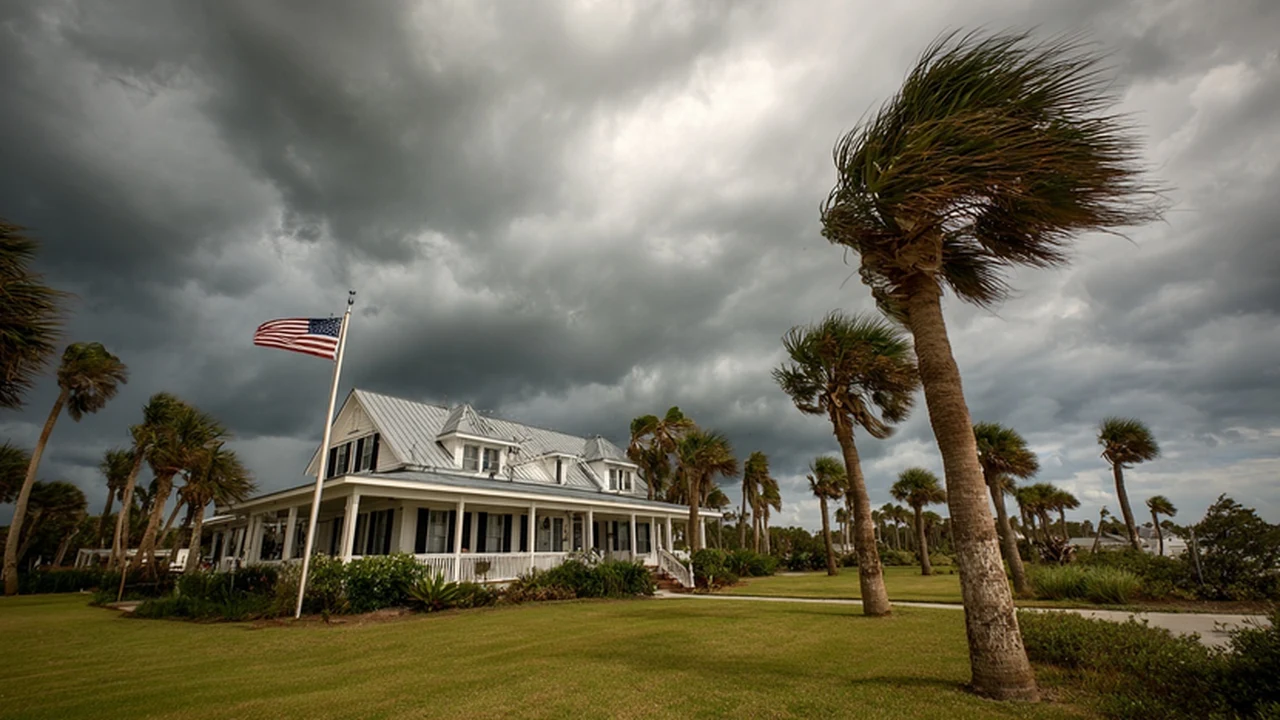
Buying a coastal home is exciting. It's also the moment when storm protection decisions get baked into your financial situation for years. The shutters — or lack of shutters — on a home you're buying affect your insurance premium, your closing costs, your first-year budget, and your safety. Here's exactly what to ask and check before you sign.
The Pre-Closing Hurricane Protection Checklist
Before you close on any coastal home, verify these items:
- What protection exists? Walk every window and door opening. Note the type — accordion, roll-down, panels, impact windows, or nothing.
- Is it permitted? Ask for permit records. Unpermitted shutters can create problems at closing, with insurance, and when you sell.
- What are the product approval numbers? Every code-compliant product has a Florida Product Approval (FL number) or Miami-Dade NOA. These tell you the wind rating the protection was certified to.
- Is there a wind mitigation report? Ask the seller for any existing wind mitigation inspection. This document shows your insurance company what protection is in place and drives your premium calculation.
- What is the condition? Test every shutter. Open and close every accordion. Crank every roll-down. Check for bent tracks, missing panels, broken latches.
- Where are the storm panels stored? If the home has storm panels, where are they? Are they all accounted for? Are the mounting hardware and fasteners included?
How Shutters Affect Your Insurance Premium
This is the most important financial variable most buyers overlook. The storm protection on a home you're buying directly affects what you'll pay for homeowner's insurance — which in Florida and Texas can be $3,000–$15,000+ per year on a coastal home.
A home with impact windows and a documented wind mitigation report might qualify for a 35–45% wind insurance discount. A home with no protection and no report pays full rate.
Before you finalize your offer, get an insurance quote for the specific property. Ask the agent to quote it both with and without the existing storm protection. The difference will tell you exactly what the protection is worth in annual insurance savings.
Use our insurance savings estimator to project potential discounts before you talk to an agent.
How to Negotiate on Shutters
If a home you're buying has no shutters or inadequate protection, you have several options:
- Seller credit at closing — ask for a credit equal to the cost of installing shutters. Use our cost by state guide to support your number.
- Price reduction — factor the shutter cost into your offer. A home needing $15,000 in shutters should be priced accordingly.
- Seller installs before closing — this is rare but worth asking for on a slow market. You get the protection and the permitted installation.
- Accept as-is and plan the install post-close — budget for shutters in your first-year costs and install during the off-season for best pricing.
What If the Shutters Aren't Permitted?
Unpermitted shutters are more common than you'd think — especially on older homes or homes that have changed hands multiple times. The problems they create:
- Insurance company may reject the wind mitigation credit if shutters aren't permitted and inspected
- County can require removal or retroactive permitting when the unpermitted work is discovered
- When you sell, the unpermitted work becomes your disclosure obligation
- If shutters fail in a storm and weren't permitted, there may be insurance and liability complications
If you discover unpermitted shutters during inspection, negotiate a seller credit to cover retroactive permitting or replacement. Get a quote from a licensed contractor before closing so you have a number to negotiate with.
Buying a Home With No Shutters
If the home has no storm protection at all, here's how to plan:
- Get a shutter cost estimate before closing — use our calculator and then get a contractor quote
- Budget 60–90 days from closing to completed installation — permits take time
- If you're closing during hurricane season, have a plan for the gap period — storm panels can be installed quickly as an interim measure
- Get the wind mitigation inspection done as soon as shutters are installed and inspected — the insurance savings start immediately
Frequently Asked Questions
Should a home inspector check hurricane shutters?
A standard home inspection includes a visual check of shutters but typically does not open and close every unit or check product approval numbers. For a coastal home, consider hiring a licensed wind mitigation inspector separately — they specifically document storm protection for insurance purposes and will flag compliance issues a general inspector might miss.
Can I get a mortgage on a home without hurricane shutters?
Yes — shutters are not typically a mortgage requirement. However, lenders in high-risk coastal areas may require hurricane insurance, and the cost of that insurance (which will be higher without shutters) is factored into your debt-to-income ratio calculations. Higher insurance costs can affect how much home you qualify for.
How do I find out if shutters were installed with a permit?
Ask the seller for permit records. If they don't have them, contact your county building department directly — most maintain online permit search tools. Search by the property address. If no permit exists for the shutter installation, you'll see nothing in the system.
Waste bags at the curb spread E. coli, Leptospirosis, and Norovirus across entire neighborhoods through rainwater runoff, animal vectors, and children near debris piles. Double-bag all waste. Label it BIOHAZARD. Keep all children and pets away from every curb pile on your street — not just your own.
Full disease prevention guide — all 13 states →