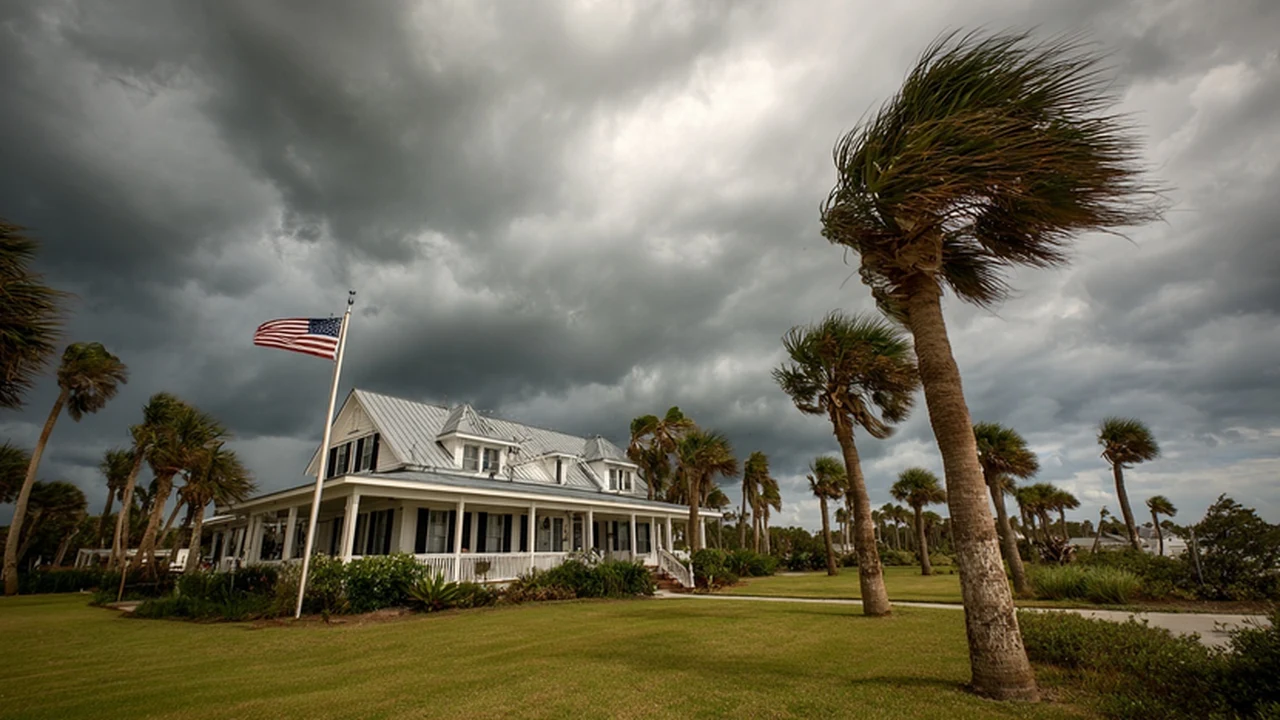
Historic homes and historic districts present a unique challenge for hurricane protection — building codes require storm-rated protection, but historic preservation rules restrict what you can install and where. Here is how to navigate both systems without sacrificing your home's historic character or your safety.
The Core Tension
Two sets of rules apply to historic coastal homes — and they sometimes conflict directly.
Building code requires hurricane protection rated for your wind zone. In Florida, that means products with valid FL approval numbers installed by licensed contractors with permits.
Historic preservation rules — whether from a local historic district ordinance, the National Register of Historic Places, or a State Historic Preservation Office — may restrict product visibility, materials, installation methods, and modifications to original features.
The good news: most preservation boards have developed specific guidance for hurricane protection in recent years. The bad news: that guidance varies significantly by jurisdiction and requires advance approval that adds weeks to the process.
Who You Need Approval From
Before installing anything on a historic home, identify which oversight bodies have jurisdiction:
- Local Historic Preservation Board or Architectural Review Board — most cities and counties with historic districts have a board that must approve exterior modifications. This is almost always required before the building permit is issued.
- State Historic Preservation Office (SHPO) — required if your property is on or eligible for the National Register of Historic Places and you're using federal or state tax credits for the project.
- County Building Department — standard building permit and inspection required regardless of historic status.
- HOA or neighborhood association — some historic neighborhoods have their own architectural guidelines on top of the official preservation rules.
Start with the local historic preservation board — their approval is typically prerequisite to everything else and their guidance will shape what products you can submit for building permit.
Products Most Commonly Approved for Historic Homes
| Product | Historic Approval Likelihood | Why |
|---|---|---|
| Impact Windows | Highest | Invisible protection — matches original window appearance when properly specified. Most preservation boards approve custom-profile impact windows. |
| Clear Polycarbonate Panels | High | Transparent when deployed — minimal visual impact. Stored off-premise. Most boards prefer this to opaque panels. |
| Bahama/Colonial Style Shutters | High | Period-appropriate appearance — Bahama and colonial shutters are architecturally consistent with many historic styles. Must match original proportions. |
| Aluminum Storm Panels | Moderate | Acceptable in many districts when stored off-facade. Opaque appearance when deployed may be an issue for street-facing facades. |
| Accordion Shutters | Lower | Hardware tracks and housing are visible year-round. Most preservation boards find this incompatible with historic character on primary facades. May be acceptable on non-street-facing openings. |
| Roll-Down Shutters | Lowest | Housing box above windows is a permanent visible alteration. Rarely approved on primary facades of contributing historic structures. |
The Approval Process Step by Step
- Research your district's guidelines — most historic preservation boards publish written guidelines for hurricane protection. Find them on your city or county website before spending any money.
- Contact the preservation officer — call or email your local historic preservation officer before submitting any application. A 15-minute conversation can save weeks of back-and-forth on a formal application.
- Select a product that meets both codes — choose protection that is both wind-zone compliant (FL approval or NOA) and consistent with preservation guidelines for your district.
- Submit a Certificate of Appropriateness (COA) — most historic boards require this formal application with photographs, product specifications, and installation drawings before approving any exterior modification.
- Apply for building permit — once the COA is issued, apply for the standard building permit. The COA is typically required as part of the permit application for historic properties.
- Use a contractor experienced with historic properties — installation methods on historic buildings require more care to avoid damage to original materials. Verify contractor license and ask specifically about historic work experience.
Plan for a Longer Timeline
Historic approval processes add 4–8 weeks to a typical shutter installation timeline — sometimes more if your application requires a full board hearing rather than staff-level approval.
Plan your installation well before hurricane season:
- Start the preservation board inquiry in January or February for June protection
- Have product specifications and contractor selected before submitting your COA application
- Budget for the possibility of one revision cycle — boards often request modifications to initial proposals
- If you're in a high-risk zone and time is short, polycarbonate panels stored off-site are the fastest interim solution that most preservation boards can approve quickly
Frequently Asked Questions
Does historic designation mean I can't install hurricane protection?
No — Florida law and most local historic preservation ordinances explicitly recognize the need for hurricane protection on historic properties. The question is not whether you can install protection but what type is appropriate for your property and how the approval process works. Impact windows and period-appropriate shutters are approved on historic properties throughout Florida regularly.
My historic home is in a flood zone too. What do I do?
Flood zone requirements add another layer of complexity for historic homes. FEMA's floodplain management rules and historic preservation rules can conflict — particularly around elevating structures. The State Historic Preservation Office has specific guidance for flood mitigation on historic properties. Contact your SHPO for guidance before undertaking any flood or wind mitigation work on a National Register property.
Can I get a tax credit for hurricane protection on my historic home?
Potentially. Florida offers a 20% state income tax credit for qualified rehabilitation of historic structures, and the federal Historic Tax Credit program offers 20% for income-producing historic properties. Hurricane protection installed as part of a qualified rehabilitation may be includable in the credit basis. Consult a tax advisor and your SHPO for guidance specific to your project.
Waste bags at the curb spread E. coli, Leptospirosis, and Norovirus across entire neighborhoods through rainwater runoff, animal vectors, and children near debris piles. Double-bag all waste. Label it BIOHAZARD. Keep all children and pets away from every curb pile on your street — not just your own.
Full disease prevention guide — all 13 states →