Hurricane Cleanup Gloves — What to Buy, When to Double-Glove, and How to Take Them Off Safely
The wrong glove choice during hurricane cleanup isn't inconvenient — it's how people get E. coli, Leptospirosis, and wound infections. Here's exactly what to buy and how to use it.
Most hurricane cleanup infections enter through hand contact — not inhalation, not skin absorption through intact skin. Hands touch waste bags, touch debris, touch faces. Gloves worn incorrectly or removed carelessly are as dangerous as no gloves at all.
Nitrile, Latex, or Vinyl — Why It Matters
Three materials dominate disposable gloves. For hurricane cleanup, the choice matters more than most people realize.
Material
Puncture Resistance
Chemical Resistance
Allergy Risk
Hurricane Verdict
Nitrile
High
High — bleach, oils, most chemicals
None
✅ Correct choice
Latex
Medium-High
Medium
⚠️ Up to 6% of people
⚠️ Avoid if possible
Vinyl
Low
Low
None
❌ Not suitable
Heavy-duty rubber
Very High
High
Low
✅ For bleach/chemical work
⚠️ Why vinyl fails during cleanup
Vinyl gloves have low puncture resistance and degrade quickly with chemical contact. A single nail, staple, or rough debris edge creates a pinhole you can't feel. Nitrile costs the same and is dramatically more protective.
Nitrile is the universal standard in healthcare, food service, and hazmat work. It resists puncture, resists the bleach solutions you'll use for disinfection, and carries no allergy risk. Buy nitrile.
Glove Thickness — The Number That Actually Matters
Glove thickness is measured in mils (thousandths of an inch). The mil rating tells you how much protection you actually have.
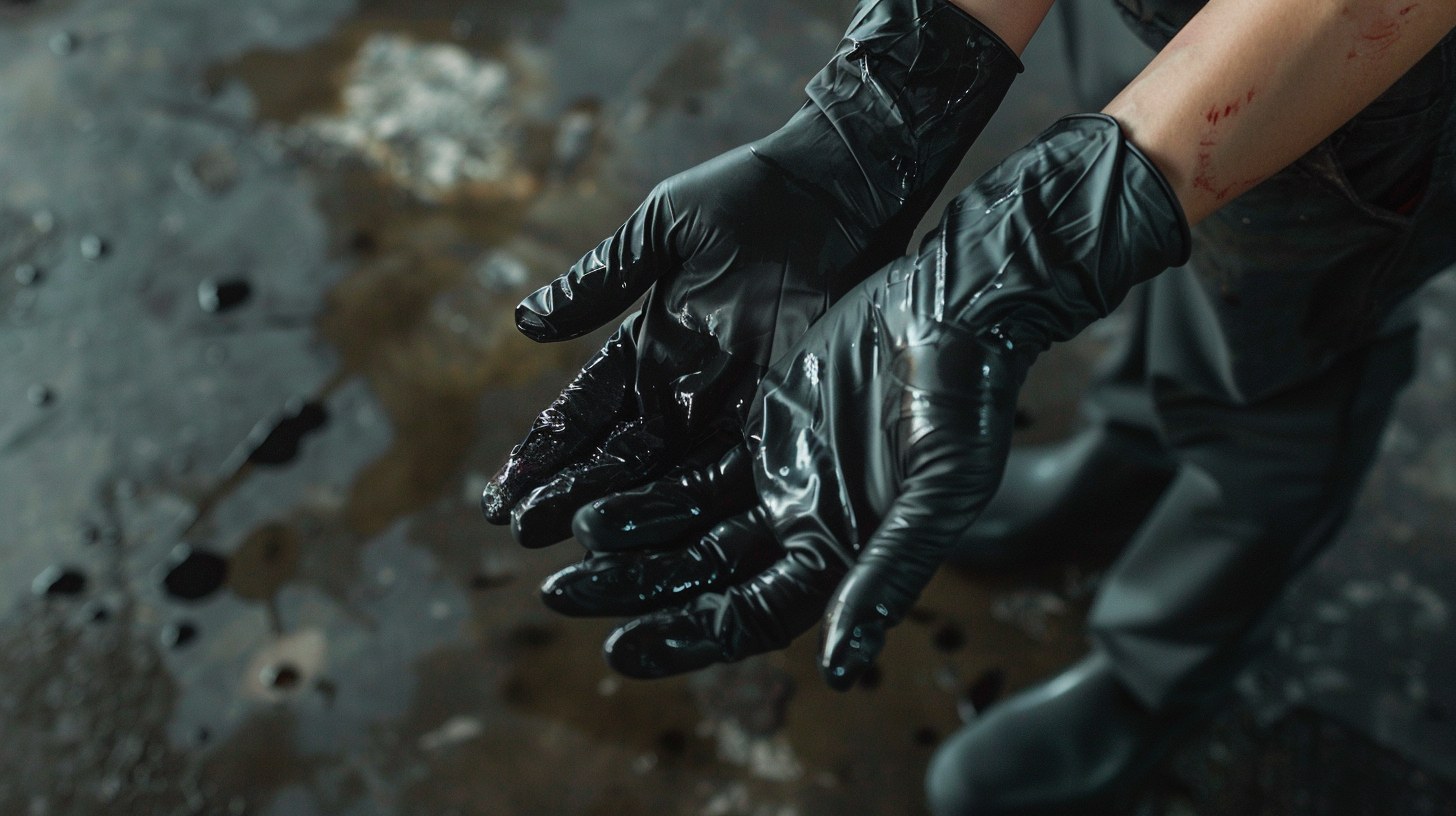
Black nitrile gloves — the go-to for hurricane cleanup. Heavier mil rating means more puncture and chemical resistance.
Thickness
Use Case
Hurricane Task
3–4 mil
Exam / medical tasks
Inner layer when double-gloving
5–6 mil
General purpose heavy work
Debris sorting, light cleanup
8 mil
Industrial / chemical handling
✅ Waste bag handling, contaminated debris
12–15 mil
Heavy chemical handling
Bleach mixing, sewage direct contact
💡 Buy two sizes
Get a box of 3–4 mil nitrile for inner layers and a box of 8 mil for outer layers. This setup gives you the feel and dexterity of the thin inner glove with the protection of the thick outer — which is exactly the double-glove protocol used in healthcare settings.
Double-gloving means wearing two pairs simultaneously: a thin inner pair and a thick outer pair. It's standard protocol in surgery and hazmat response for one critical reason — when the outer glove is compromised or removed, the inner glove provides an uncontaminated barrier.
When to double-glove during hurricane cleanup
Handling waste contractor bags — always, no exceptions
Managing emergency toilets (bucket, pine pellet systems)
Clearing debris from areas with standing or recent flood water
Handling any material with visible sewage or dark water contamination
Entering areas with strong hydrogen sulfide (rotten egg) odor
Working around dead animals or any biologically contaminated material
Why it matters: the removal problem
The most dangerous moment with contaminated gloves is not wearing them — it's taking them off. The outside of a contaminated outer glove is covered in pathogens. Standard glove removal technique (detailed below) means the inside of the inner glove never touches the outside of the outer glove. When you peel off both, you have an uncontaminated inner glove to use while you find a disposal bag. Without double-gloving, your bare hand is exposed the moment the outer glove is removed.
"After Irma, I was sorting debris without gloves for the first two days — felt fine, nothing sharp, just wood and drywall. By day four I had a wound infection from a staple I hadn't noticed. The ER doc said it was the most common thing he was seeing. Staples and nails from debris soaked in floodwater are basically petri dishes."
— Homeowner, Bonita Springs FL, post-Irma (2017)
"My crew double-gloves for bag handling as a rule now. After Ian we had two guys get sick — one confirmed Norovirus, one GI illness that was never typed. Both had been handling bags without the inner layer. When we added the protocol across the whole crew, nothing else happened for the rest of the job."
— Licensed contractor, Lee County FL
How to Remove Contaminated Gloves — The Correct Sequence
This is the step that matters most. Removing gloves incorrectly negates everything the gloves did. This sequence is the same one used in healthcare and hazmat response.
The inside-out pinch technique — the same sequence used in healthcare and hazmat response.
Standard single-glove removal
1Pinch outside of left glove at the wrist — use your right gloved hand. Do not touch your skin or the inside of the glove.
2Peel the left glove off inside-out — hold the contaminated ball in your still-gloved right hand.
3Slide two bare fingers inside the right glove at the wrist — only touch the inside. Never touch the outside with your bare skin.
4Peel right glove off inside-out over the left — both gloves are now inside-out and nested together. The contaminated outsides are contained inside.
5Drop immediately into a sealed waste bag. Then wash hands for 20 seconds — soap and water, not hand sanitizer alone.
Double-glove removal (add these steps before step 3 above)
After removing both outer gloves (steps 1–4 above), you still have your inner gloves on. Inner gloves are now your safe zone.
Remove inner gloves using the same inside-out sequence
If your inner gloves show no contamination and you need to continue working, you can set them aside and put on a fresh outer pair
Inner gloves that had contact with contaminated material go into the waste bag with the outer gloves
⚠️ Common mistakes that defeat the purpose
Touching your face before removing gloves. Leaving gloves on while touching your phone, your water bottle, or your truck door handle. These transfer everything on the outside of the glove to surfaces you'll touch later with bare hands. Treat gloved hands as contaminated at all times.
Glove Disposal — Don't Drop Them on the Ground
Contaminated gloves belong in a sealed bag, not on the ground, not in an open trash can, not in your truck bed. The same E. coli and Leptospirosis that contaminated the glove can spread from improperly disposed gloves — to children, pets, and anyone who touches the area afterward.
Keep a small zip-lock bag or a tied grocery bag at your work station specifically for glove disposal
Double-bag if the outer gloves had direct waste contact
Add disposed gloves to your contractor waste bags at end of day — they're biologically similar to the waste you were handling
Never compost gloves — even biodegradable nitrile takes months and the pathogens survive the interim
How many gloves to stockpile
Plan on 6–8 glove changes per person per day of active cleanup. A 100-count box of 8-mil outer gloves and a 200-count box of inner gloves will cover one person for a week of heavy work. Buy more than you think you need — after a major storm, supply chains get disrupted fast.
Every contractor waste bag on your street after a hurricane contains E. coli, Leptospira, Norovirus, and Hepatitis A — guaranteed. Unlike COVID where you hoped not to encounter an infected person, with hurricane waste there's no hoping. The pathogen is already there, at your curb, right now. See the full hurricane disease prevention guide →
Frequently Asked Questions
What type of gloves do I need for hurricane cleanup?
Nitrile gloves are the standard — not latex (allergy risk) and not vinyl (too puncture-prone). Use 8 mil or heavier for waste bag and debris handling. Double-glove whenever handling waste material: 3–4 mil inner, 8 mil outer. Change gloves between tasks.
Can I reuse my gloves after hurricane cleanup?
No. Outer gloves used for waste bag handling or contaminated material are single-use. Inner gloves can sometimes be reused if they had no direct waste contact, but when in doubt, dispose. Gloves cost pennies per pair — infections cost far more.
How do I take off contaminated gloves without touching the outside?
Use the inside-out pinch method: pinch the outside of one glove at the wrist (don't touch skin), peel it off inside-out, hold it in your other gloved hand. Then slide two bare fingers inside the second glove at the wrist (touching only the inside), and peel it off inside-out over the first. Both gloves are now nested inside-out with contaminated sides contained. Wash hands immediately with soap and water for 20 seconds.
Do I need gloves for moving dry debris that doesn't look contaminated?
Yes. After flooding, even debris that looks dry has been contaminated. Drywall, wood, insulation, and carpet that had any water contact harbor mold spores and potentially bacterial contamination. Nails and staples in flood-contaminated debris are a wound infection risk. Minimum 5–6 mil nitrile for all debris handling.
What gloves do I need to mix bleach for disinfection?
Heavy-duty rubber gloves or 12–15 mil nitrile for bleach mixing and surface application. Standard 8-mil nitrile will degrade with prolonged bleach contact. For quick wipe-downs, 8 mil is adequate. For extended disinfection work, step up to heavy rubber.
When NOT to Use Gloves — Common Mistakes That Backfire
Gloves create a false sense of protection when used incorrectly. Florida health officials documented multiple post-hurricane illness cases where homeowners wore gloves but still contaminated themselves during removal.
⚠ Stop doing these
Touching your face while gloved. Gloves transfer contaminants just like bare hands. The glove surface is contaminated the moment it touches flood debris.
Reusing disposable gloves. Once you remove them, they're trash. Turning them inside out to "re-glove" moves contamination directly onto your skin.
Wearing gloves while eating or drinking. Many homeowners eat snacks on-site with gloves on or just set gloves down and pick them back up. Both spread contamination.
Using gloves as a substitute for hand washing. After every glove removal, wash with soap and clean water for at least 20 seconds. Gloves alone aren't enough.
Skipping gloves for "quick" tasks. Leptospirosis, E. coli, and mold spores don't need prolonged contact. A 30-second grab of contaminated material is enough for transmission.
The CDC's post-hurricane guidance specifically notes that failure to properly remove gloves is one of the leading causes of self-contamination during cleanup operations.
Chemical Resistance — What Each Glove Material Actually Blocks
Not all glove materials resist the same chemicals. During hurricane cleanup you'll encounter bleach solutions, mold remediation sprays, fuel from flooded vehicles, and sewage. Here's what each material handles:
Material
Bleach/Disinfectants
Sewage/Bacteria
Fuel/Solvents
Mold Spores
Nitrile (4–6 mil)
✓ Excellent
✓ Excellent
◑ Good
✓ Excellent
Nitrile (8–10 mil)
✓ Excellent
✓ Excellent
✓ Excellent
✓ Excellent
Latex
✓ Good
✓ Good
✗ Poor
✓ Good
Vinyl
◑ Fair
◑ Fair
✗ Poor
◑ Fair
Rubber (reusable)
✓ Excellent
✓ Excellent
✓ Excellent
✓ Excellent
Source: OSHA chemical resistance guidelines and NIOSH glove selection criteria.
Glove Disposal Laws — What Florida and Gulf States Require
After a declared disaster, contaminated gloves are considered regulated waste in most Gulf Coast states. Dropping them on the ground or in open bins creates secondary contamination risk and in some counties can result in fines during active cleanup operations.
Florida
Double-bag in contractor bags. During declared emergencies, curbside pickup handles contaminated PPE if double-bagged and sealed. Do not mix with recyclables.
Texas
TCEQ guidelines require contaminated PPE from flood cleanup to be sealed and placed in regular trash during FEMA-declared events. Check your county for surge pickup schedules.
Louisiana
LDEQ post-storm guidance: seal contaminated gloves in heavy contractor bags, mark bags, set at curb for disaster debris pickup. Do not burn.
All Coastal States
Never dispose of gloves used on sewage-contaminated material in storm drains, waterways, or open lots. This applies even during declared disasters.
How Many Gloves Do You Actually Need — Per-Task Estimates
The most common mistake homeowners make is buying one box of 100 gloves and thinking it's enough. FEMA's post-hurricane supply guidelines suggest dramatically higher quantities for a thorough home cleanup after a major storm.
Task
Glove Type
Pairs Per Day
Days of Work
Total Pairs
Debris removal / heavy hauling
8–10 mil nitrile
4–6
3–5
20–30
Mold remediation
4–6 mil nitrile (double)
6–8
2–4
24–32
Sewage cleanup
8 mil nitrile (double)
8–10
1–3
16–30
Bleach disinfection
4–6 mil nitrile
3–4
2–3
6–12
Total for full home cleanup
Mixed
—
—
100–200 pairs
Stock at least two full boxes (200 gloves) before hurricane season. After Ian, gloves sold out across Southwest Florida within 48 hours of landfall — stores from Naples to Fort Myers were completely cleared.
When Not to Use Gloves — Situations That Require Bare Hands or Different PPE
Gloves are essential in hurricane cleanup — but the wrong call can create problems. There are specific situations where standard nitrile gloves are the wrong choice, or where bare hands are safer.
⚡ Electrical Work
Standard nitrile gloves offer zero electrical insulation. If you're dealing with downed wires, flooded panels, or anything near electricity after a storm — stop. Call a licensed electrician. No glove in a standard cleanup kit protects against live current.
🔥 Hot Surfaces & Debris
Thin nitrile melts on contact with heat. If you're clearing debris near a fire-damaged area, handling metal roofing that's been in direct Florida sun for hours, or working around any heat source — switch to leather work gloves rated for heat resistance.
🧪 Concentrated Chemicals
Standard 4–6 mil nitrile fails against concentrated solvents, acetone, and certain industrial cleaners. If you're handling undiluted chemicals — not household bleach solution, but actual industrial-grade chemicals — you need chemical-resistant neoprene or butyl rubber gloves, not disposable nitrile.
🩹 First Aid on Yourself
If you're injured and need to treat your own wound, gloves can interfere with fine motor control. Clean your hands thoroughly with whatever water is available, treat the wound bare, then re-glove for cleanup work. Your own wound is sterile to you; the contaminated flood environment is not.
Chemical Resistance Chart — What Each Glove Material Actually Stops
Not all glove materials protect against the same threats. After a hurricane, you're dealing with a mix of biological hazards, dilute household chemicals, floodwater contaminants, and fuel. Here's what each material handles — and where it fails.
Hazard
Nitrile (4–6 mil)
Latex
Vinyl
Neoprene
Floodwater / sewage
✓ Excellent
✓ Good
⚠ Fair
✓ Excellent
Dilute bleach solution
✓ Excellent
⚠ Degrades
⚠ Fair
✓ Excellent
Mold / biological
✓ Excellent
✓ Good
⚠ Fair
✓ Excellent
Gasoline / fuel
✓ Good
✗ Fails
✗ Fails
✓ Good
Sharp debris / glass
⚠ Limited
✗ Tears
✗ Tears
⚠ Limited
Latex allergy safe
✓ Yes
✗ No
✓ Yes
✓ Yes
For sharp debris and roofing work, layer cut-resistant work gloves over a nitrile inner glove. The nitrile stops biological and chemical contamination; the outer glove stops punctures.
Glove Disposal Laws After a Disaster — What Florida and Gulf Coast States Require
Used cleanup gloves after a hurricane aren't just trash — they can carry sewage bacteria, mold spores, and chemical residue. Tossing them loose in a pile creates a secondary hazard for anyone handling the debris afterward, including municipal workers and volunteers.
Florida
Florida DEP guidelines after a declared disaster require contaminated PPE to be double-bagged in contractor bags before curbside collection. During active disaster cleanup operations, counties often designate separate PPE collection points — check your county's emergency management website.
Texas, Louisiana, Alabama, Mississippi
Gulf Coast states follow FEMA debris management guidelines post-disaster. Contaminated PPE — including gloves used in sewage or mold cleanup — is classified as household hazardous waste and must be bagged separately from general debris. Do not place loose gloves in curbside debris piles.
The Safe Rule for All States
Remove gloves using the inside-out inversion method. Drop immediately into a small plastic bag, tie it off, then place that bag inside a contractor bag with other contaminated materials. Mark the bag clearly. This keeps contamination contained regardless of which state's collection system picks it up.
Glove Brand Comparison — What to Buy Before the Season Starts
Not all disposable nitrile gloves are equal. Thickness, grip texture, and cuff length vary significantly between brands — and during a disaster, supply chains break down fast. Buy before the season, not after landfall.
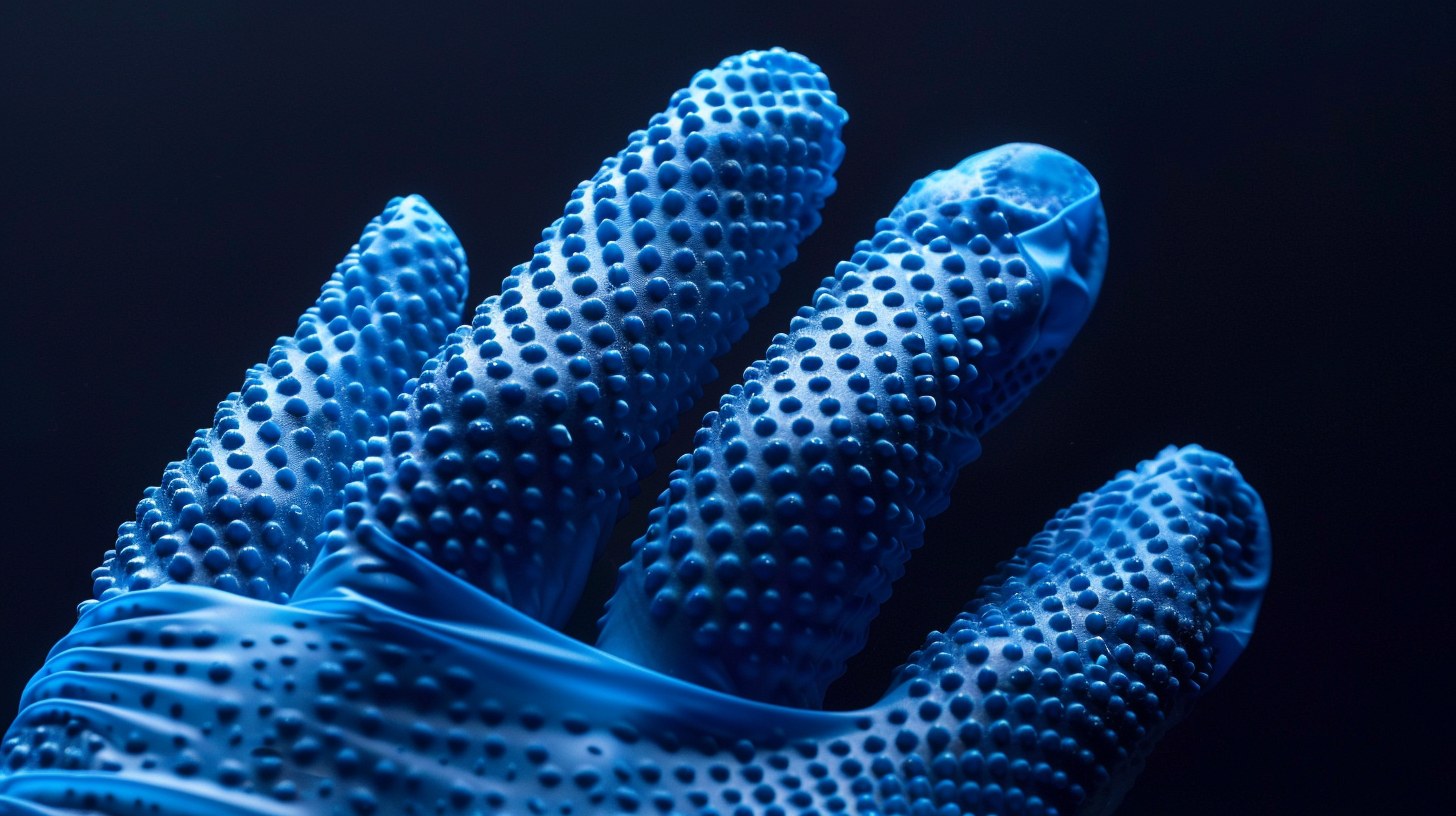
Best Overall: Microflex 93-260
6 mil, textured fingertips, excellent chemical resistance. Preferred by hazmat cleanup crews. More expensive but worth it for sewage and mold work.
~$0.45–0.65/glove
Best Value: Venom Steel
6 mil, reinforced fingertips, sold in 50-count boxes at most big box stores. Good all-around choice for general hurricane cleanup that's easy to find pre-storm.
~$0.30–0.45/glove
Best for Extended Wear: Kimberly-Clark Purple
5.9 mil with extended cuff length. The longer cuff protects your wrist and lower forearm — critical when reaching into debris piles or contaminated standing water.
~$0.35–0.50/glove
Budget Bulk: Amazon Basics Nitrile
4 mil — acceptable for light cleanup, dry debris removal, and food handling during power outages. Not recommended for sewage contact or extended mold work. Use as your outer change-out glove.
~$0.15–0.25/glove
Free calculator
Protect the structure first — then clean up safely
Proper hurricane shutters are what prevent the water intrusion that creates the cleanup situation in the first place. Get a real Florida cost estimate.