Hurricane Shutter Requirements in Orlando
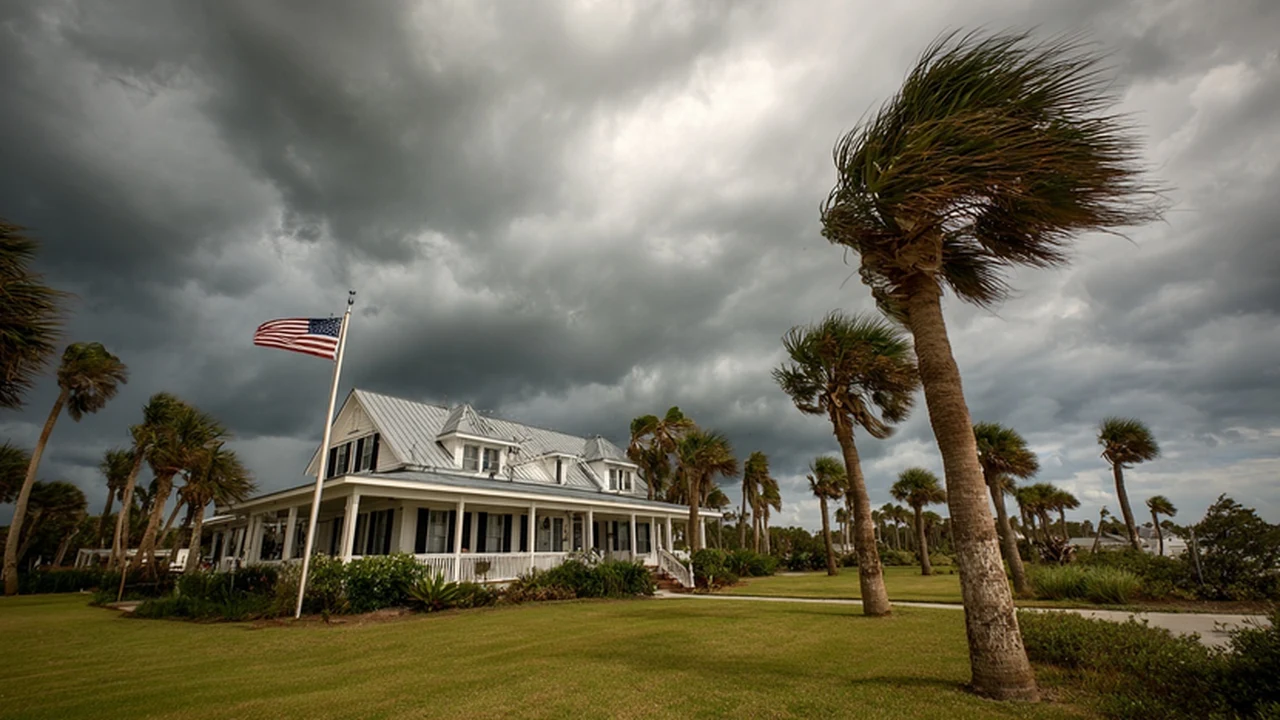
Orlando and Orange County may be inland, but they're not immune. Hurricane Charley crossed the peninsula in 2004 and hit the Orlando area as a strong Category 1, causing significant wind damage. Hurricane Ian brought tropical storm and low-category hurricane conditions to the region in 2022. Orange County sits in Wind Zone II at 120–130 mph design requirements — lower than coastal areas, which means shutter prices are generally lower and more product options are available. Still, protecting your openings is critical.
When evaluating hurricane shutter options for your Orlando home, the most important factors are wind zone compliance, Florida Product Approval verification, proper permitting, and working with a licensed contractor who knows local building department requirements. The cheapest quote is rarely the right choice — product quality and installation expertise matter enormously when a Category 3 is approaching.
Orlando Wind Zone & Code Requirements
Orange County enforces the Florida Building Code at Wind Zone II, 120–130 mph design pressure. All shutter products must carry Florida Product Approval. Permits are required for permanent installations. Storm panels may be installed without permits in some municipalities — confirm with your local building department.
Wind Zone
II (120–130 mph design)
Product Approval
Florida Product Approval (FPA) required on all products. Check approvals at floridabuilding.org/pr.
Permits
Building permit required for all permanent shutter installations in Orange County.
Inspection
Final building inspection required. Get OIR-B1-1802 wind mitigation inspection after permit closes.
Hurricane Shutter Costs in Orlando, FL
Installed pricing in Orlando runs $12–$24 per square foot depending on product type, opening count, and accessibility. The estimates below reflect current Orange County market pricing for a typical single-family home.
| Product Type | Installed Price (per sqft) | Best For |
|---|---|---|
| Storm Panels (aluminum) | $7–$12 | Budget-conscious homeowners, seasonal residents |
| Accordion Shutters | 12–22 per sqft | Permanent protection, insurance discounts, ease of use |
| Roll-Down Shutters (manual) | 14–26 per sqft | Large openings, clean aesthetics |
| Roll-Down (motorized) | 18–32 per sqft | Luxury homes, remote operation |
| Bahama Shutters | $13–$25 per sqft | Coastal aesthetic, shade + protection |
| Hurricane Screens | $9–$16 | Lanais, large openings, DIY-friendly |
Whole-home estimates for a typical 1,800–2,500 sqft Orlando home with 15–20 openings: storm panels $5,000–$12,000; accordion shutters $14,000–$30,000; roll-down systems $18,000–$40,000. Use the calculator above to get a precise estimate based on your actual opening count and square footage.
Popular NeighborhoodsNeighborhoods We Serve in Orlando
Licensed shutter contractors serving Orlando typically cover the entire Orange County area and neighboring communities. Here are some of the most active markets for hurricane shutter installation in the region:
- Dr. Phillips
- Windermere
- Winter Park
- Hunters Creek
- Lake Nona
- Baldwin Park
- College Park
- Ocoee
If you're located in an adjacent county or a smaller community not listed above, contact local contractors — most serve a wide regional area. Use the calculator to get an estimate and request contractor referrals for your specific location.
Product TypesMost Popular Hurricane Shutters in Orlando
The Orlando market favors certain shutter types based on local architecture, exposure levels, and insurance requirements:
- accordion shutters
- storm panels
- roll-down shutters
The right choice depends on your home's construction, HOA requirements, budget, and how much lead time you typically have before a storm. Accordion shutters are the most popular choice for homeowners who want permanent, maintenance-free protection that's easy to close quickly. Storm panels offer the best value for budget-conscious buyers who are typically home when storms approach.
InsuranceInsurance Discounts for Orlando Homeowners
Wind mitigation discounts apply in Orange County. Full opening protection typically saves 10–20% on wind premiums. Citizens policyholders benefit most. Have a licensed inspector complete the OIR-B1-1802 form after installation.
To activate wind mitigation discounts after installing shutters:
- Get a final building inspection and permit closeout from Orange County Building Department
- Hire a licensed wind mitigation inspector to complete the OIR-B1-1802 form
- Submit the completed form to your insurance agent or carrier
- Request a premium recalculation — discounts apply at your next renewal or immediately depending on carrier
Wind mitigation inspections typically cost $75–$150 and pay for themselves many times over in annual premium savings. Don't skip this step after installation.
How to HireHow to Find & Vet a Orlando Shutter Installer
The quality gap between the best and worst shutter contractors is enormous. Here's how to protect yourself:
Step 1 — Verify Licensing
Check the Florida DBPR (myfloridalicense.com) for active license status. Require a Certified or Registered contractor license. Never hire unlicensed.
Step 2 — Check Insurance
Require current Certificate of Insurance showing General Liability (minimum $300k) and Workers' Compensation coverage. You're liable if they're not insured.
Step 3 — Verify Products
Ask for the Florida Product Approval number for every product on the quote. Verify it on floridabuilding.org/pr. Non-approved products cannot legally be installed.
Step 4 — Get 3 Quotes
Prices vary 20–40% across contractors for identical products. Get at least three written quotes before deciding. Compare product specs, not just price.
Step 5 — Confirm Permits
Your contractor must pull the building permit — not you. If a contractor asks you to pull the permit, that's a red flag. Walk away.
Step 6 — Check References
Ask for 3 recent references from Orlando-area jobs. Call them. Ask about permit process, timeline, quality, and whether the crew left the site clean.
Common Questions About Hurricane Shutters in Orlando
The Inland Hurricane Myth: Why Orlando Homeowners Need Shutters Too
A persistent belief in Central Florida holds that being 60 miles from the coast makes hurricane protection unnecessary. Hurricane Charley in 2004 put that belief to rest permanently. Charley made landfall near Charlotte Harbor as a strong Category 4, then tracked northeast directly across the peninsula, hitting Punta Gorda, Port Charlotte, Arcadia, and then striking Polk and Osceola counties before weakening over Orlando as a Category 1. Thousands of Orlando-area homes sustained significant damage.
The path from Gulf landfall to Orlando is not uncommon — storms that make landfall on the southwest coast frequently track northeast across the peninsula, maintaining wind speeds that cause serious structural damage inland. Hurricane Ian in 2022 followed a similar track, bringing tropical storm and borderline hurricane conditions to the greater Orlando area and causing tens of millions in damage before the insurance adjusters stopped counting.
Orange County's Wind Zone II designation (120–130 mph) means shutter pricing is lower here than on the coast — storm panels for a typical Orlando home run $5,000–$9,000 installed, and accordion systems run $12,000–$22,000. Those are reasonable costs compared to the potential damage from a direct hit. Plus, shutters reduce homeowners insurance costs regardless of location.
New Construction in Lake Nona, Horizon West, and Windermere
New construction communities in rapidly growing areas like Lake Nona, Horizon West (Winter Garden area), and Windermere increasingly incorporate shutter rough-in during construction, even if shutters themselves are installed as an upgrade. If you're building new in Orlando's suburbs, ask your builder about shutter rough-in — having the structural mounts installed during framing dramatically reduces retrofit costs later.
Installation ProcessWhat to Expect During Your Shutter Installation
Understanding the installation process helps you plan accordingly and avoid surprises. Here's what a typical hurricane shutter installation looks like from contract signing to final inspection:
Measurement & Quote (Week 1)
Your installer visits to measure every opening — windows, doors, sliders, garage doors. They note construction type, frame condition, and any access challenges. A written quote follows within 2–5 days itemizing each opening and product.
Contract & Permit Application (Weeks 2–3)
Once you sign, the contractor submits permit applications to your local building department with product approval documentation. Most Florida counties process residential shutter permits in 1–4 weeks. Your product is typically ordered during this window.
Product Manufacturing & Delivery (Weeks 4–8)
Accordion and roll-down shutters are custom-fabricated to your measurements. Manufacturing runs 3–6 weeks for most Florida suppliers. Storm panels may be available from stock in some cases, reducing this timeline. Your contractor coordinates delivery to coincide with permit approval.
Installation Day(s) (1–3 Days)
A crew of 2–4 installers typically completes a single-family home in one to three days. They mount tracks and hardware, hang panels or shutters, test operation, and clean up. You should be present for at least part of the installation to review operation of every unit.
Inspection & Wind Mitigation Report (Week 9–10)
Your contractor schedules the building department final inspection. Once the permit is closed out, hire a licensed wind mitigation inspector to complete the OIR-B1-1802 form. Submit to your insurer to activate premium discounts.
Maintenance After Installation
Hurricane shutters are low-maintenance but not zero-maintenance. Accordion shutters should be lubricated twice annually — tracks cleaned and hinges oiled with a silicone-based spray. Roll-down shutters need their tracks inspected and motor (if motorized) tested monthly. Storm panels should be cleaned of any corrosion before storage and inspected before the season. Well-maintained shutters last 20–30 years in the Florida climate.
Saltwater environments accelerate corrosion on aluminum shutters. Homes within a mile of the ocean or a saltwater body should use marine-grade aluminum alloys and increase maintenance frequency to quarterly cleaning and lubrication. Most reputable manufacturers offer extended warranties on marine-grade finishes.
Hurricane season runs June 1 through November 30. Shutter manufacturers and installers experience their highest demand between April and June as homeowners rush to prepare. Order your shutters in January through March for best pricing, shortest lead times, and guaranteed installation before the season starts. A signed contract with a licensed contractor before a storm is named is the only storm preparation that works.