Do not go outside until you get the all-clear
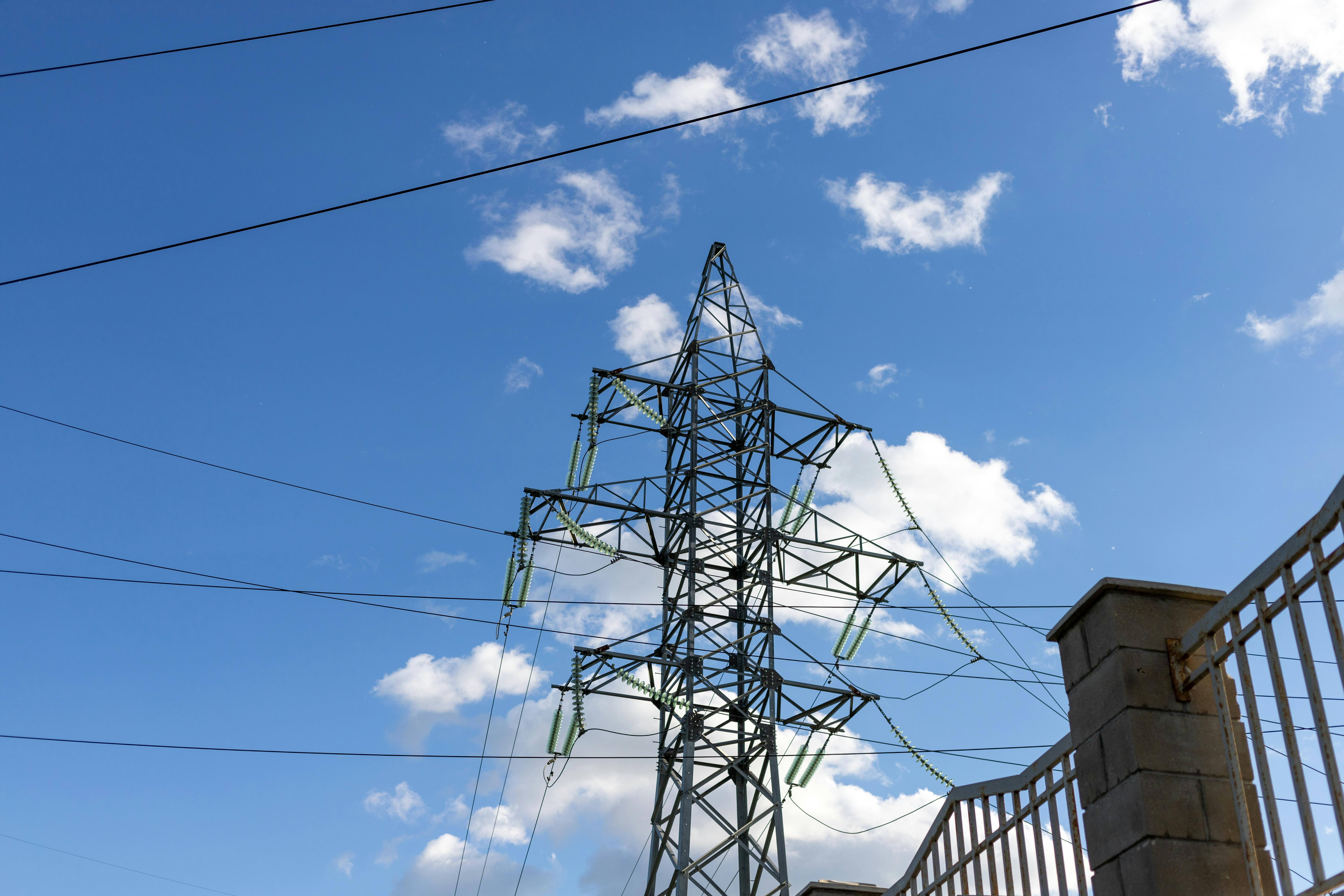
The storm has passed — but official all-clear from local emergency management hasn't been issued yet. Stay inside. There are things outside right now that can kill you quietly: downed power lines that look dead but are still live, unstable trees and structures, contaminated standing water, and gas leaks.
Wait for your county emergency management or local news to issue an official all-clear before going outside to inspect your property.
First 30 minutes after all-clear — safety sweep
- Walk the perimeter of your home — look for structural damage, gas smell, fire hazards
- If you smell gas — leave immediately, do not turn any switch on or off, call the gas company from outside
- Check for water intrusion — wet carpets, water stains, standing water in lowest areas
- Check your electrical panel — if there's water near it, don't touch it until an electrician clears it
- Note every visible piece of damage — you'll need it for insurance
Document everything before you touch anything
This is the step most people skip — and it costs them tens of thousands of dollars on their insurance claim. Before you move debris, before you put a tarp on the roof, before you sweep out water — document every single piece of damage with photos and video.
- Video walkthrough of entire home — exterior and interior
- Close-up photos of every visible damage point
- Photograph serial numbers on damaged appliances, electronics, and equipment
- Date-stamp all photos (your phone does this automatically)
- Document damage to vehicles, outdoor structures, fences, and landscaping
Generator safety — ongoing
- Generator stays outdoors, 20+ feet from windows and doors — always, every time
- Check CO detector batteries and verify they're working
- Never refuel a running generator — turn it off, let it cool for 15 minutes
- If CO alarm sounds — get outside immediately, call 911 from outdoors
Food safety timeline
This is when food poisoning hospitalizations spike after every major storm. The rules are simple and non-negotiable:
- Refrigerator food is safe for 4 hours after power loss (with the door kept closed). After 4 hours — when in doubt, throw it out.
- Full freezer stays frozen for 24–48 hours. Half-full freezer: 12–24 hours. Never refreeze thawed meat.
- Any food that had contact with floodwater — throw it out, regardless of packaging. Floodwater contains sewage, chemicals, and pathogens that packaging does not protect against.
- Canned goods with dents, swelling, or damage — discard them.
Water safety
Assume your tap water is unsafe until your water utility issues an official "all clear." After major storms, water systems are frequently contaminated by flooding, pressure loss, and pipe damage. Boil water notices are common and may last days to weeks.
- Do not drink tap water until utility issues official all-clear
- Use your stored water or Berkey/LifeStraw filter for drinking and cooking
- Bathtub water (stored pre-storm) is safe for toilet flushing but not drinking
- Check your utility's website or local emergency management for boil water status
Protect yourself from contractor scams
After every major storm, unlicensed contractors descend on affected areas within 24–48 hours. These "storm chasers" are one of the most significant financial hazards of the post-storm period. They target homeowners who are stressed, in a hurry, and don't know what they should be paying.
- Never pay more than 10% down to any contractor before work begins
- Never pay cash in full before work is complete
- Verify contractor's license at your state licensing board website before hiring
- Get at least two quotes before committing to major work
- Do not sign over your insurance benefits to a contractor (Assignment of Benefits scam)
- If a contractor shows up unsolicited offering emergency repairs — be very cautious
The realistic recovery timeline
Based on the last decade of major U.S. hurricanes, here's what to expect after a direct hit:
- Days 1–3: Power out, roads blocked, emergency response deploying. You're fully on your own.
- Days 4–7: Some roads open, fuel available with waits, limited store resupply. Basic services beginning in less-affected areas.
- Days 7–14: Power restored to 50–70% of customers. Supply chains recovering. Insurance adjusters beginning to reach affected areas.
- Days 14–30: Most utilities restored except in most severely damaged areas. Contractor work underway. Some families still in temporary housing.
- Weeks 4–12: The long tail. Rural areas, barrier islands, and severely damaged neighborhoods may still be recovering. Insurance claims processing. Life not yet "normal."
Take care of each other
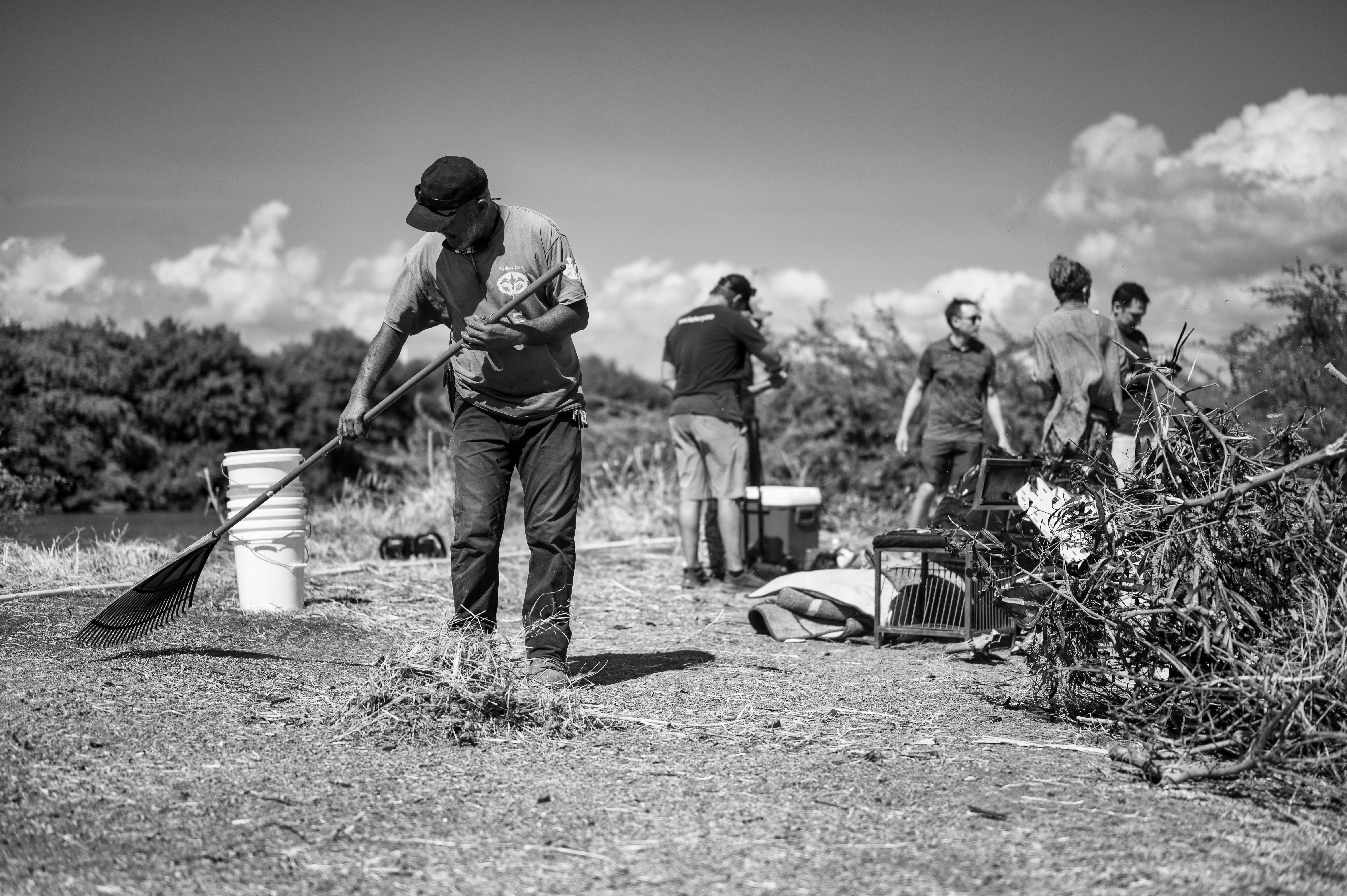
In the hours and days after a storm, check on your neighbors — especially the elderly, disabled, or those living alone. The community resources that emerge after every major disaster are one of the most powerful things about the American character: neighbors helping neighbors, long before FEMA or the National Guard arrives.
Share what you have. Check who needs help. Keep your generator, your water, and your chainsaw in service for more than just your household. The person who has the most to give after a disaster is the person who prepared before it.