What a Hurricane Watch actually means
A Hurricane Watch means hurricane conditions — sustained winds of 74 mph or higher — are possible within your area within 48 hours. It is not a guarantee. But it is the signal to begin physical preparation of your home and property.
Most people wait for the Warning before they act. That's a mistake. The Warning comes at 36 hours — by that time, contractor help is unavailable, stores are stripped, and traffic is backed up on every evacuation route. If you're doing anything major (shutters, boarding, moving outdoor equipment), do it now during the Watch window.
Install shutters or board windows — now
This is the most physically demanding task and the one most people procrastinate on. Start with the most exposed windows and work systematically around the house.
- Start with windows and doors facing the storm's predicted direction of approach
- Install panels/shutters on all openings — windows, doors, sliding glass doors, skylights
- Leave one door accessible until you're ready to shelter — close and latch it last
- Do upper-floor windows when wind speeds are still calm — don't work on a ladder in 40+ mph winds
- Check all anchor bolts — any loose bolt is a failure point under wind load
Bring everything inside or tie it down
Anything that can become a projectile in 100+ mph winds needs to come in or be secured. This is not optional — unsecured patio furniture and lawn decorations kill people during hurricanes, either directly or by breaking through windows of adjacent homes.
- Patio furniture — bring inside garage or shed, or strap down with ratchet straps
- Propane grills — move to garage or strap down, close propane valve
- Potted plants, garden statues, bird feeders, yard decorations
- Trampolines — disassemble and store if possible, anchor if not
- Trash cans — store inside or strap to a fence post
- Boats on trailers — move to a secure location well inland if possible
- Vehicles — move out of flood zones, away from trees and power lines
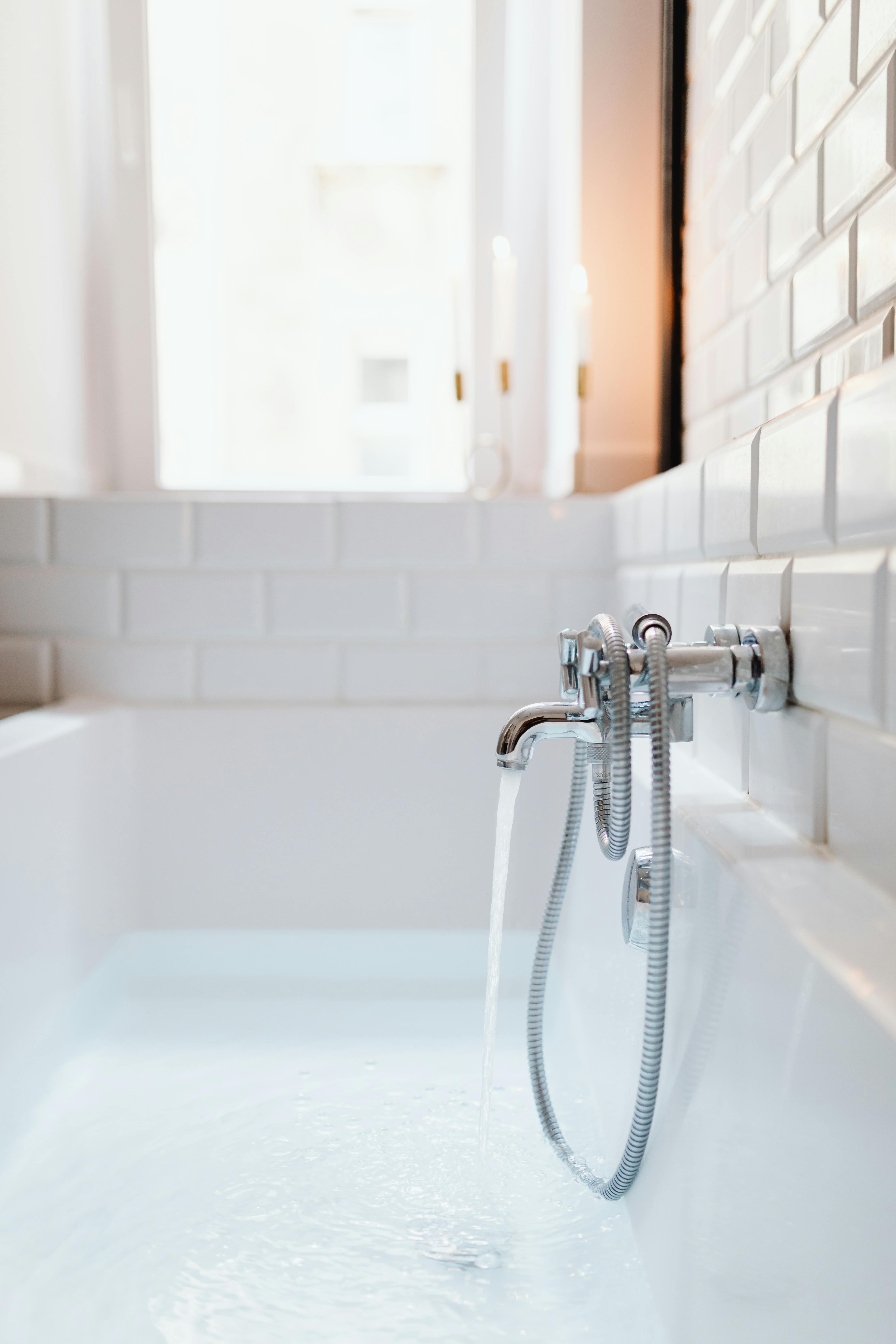
Fill bathtubs and every container with water
City water systems frequently fail during major storms, either due to power loss at pumping stations or contamination from flooding. Fill every bathtub with water for toilet flushing. Fill food-grade containers with drinking water. Fill your WaterBOB if you have one.
- Fill all bathtubs — for flushing toilets after water pressure loss
- Fill all food-grade containers with drinking water
- Fill the WaterBOB (100-gallon tub bladder) if you have one
- Fill your Rubbermaid stock tank if you have outdoor water storage
Manage your food situation
Your refrigerator will be cold for about 4 hours after power loss. Your freezer for 24–48 hours if full and unopened. Plan accordingly.
- Cook and eat perishables first — use the fresh food now, save the canned goods for later
- Freeze water in zip-lock bags to fill empty freezer space — more frozen mass = longer cold retention
- Cook large batches of food and freeze — meals you can eat cold or reheat on a camp stove
- Make sure your manual can opener is accessible, not buried in a drawer
Documents and valuables
Before the storm hits, take 30 minutes to organize documents. If you lose your home, these papers are what you rebuild your life with.
- Insurance policy documents — homeowner's, flood, vehicle
- Photo IDs, passports, birth certificates, Social Security cards
- Property deed or lease agreement
- Vehicle titles and registration
- Prescription records and medical history summaries
- Recent photos of your home and valuables for insurance documentation
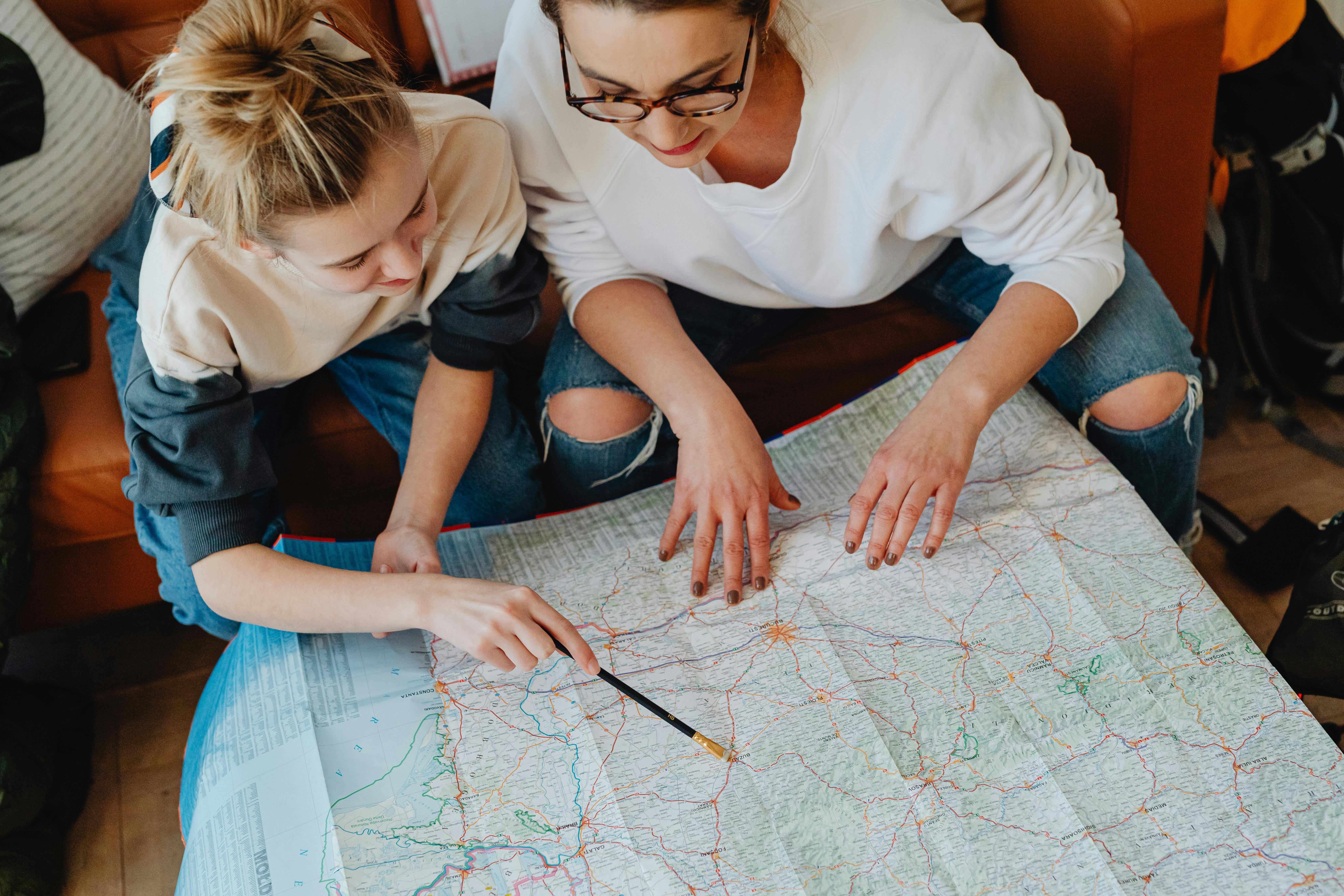
Know your evacuation decision
If you're in a flood zone, barrier island, or mobile home — your evacuation decision should be made now, not during the Warning. By the time a Warning is issued and an evacuation order follows, traffic is already backed up on every evacuation route for 50+ miles.
Know your zone. Know your route. Know where you're going. And know that no possession in your home is worth your life.