Why the first 6 hours are everything
When a storm is named and tracks toward your area, most people don't act immediately. They watch the news. They text family. They wait to see if the track changes. That window — the first 6 hours — is when you have full shelves, full gas stations, and no lines. By hour 12, it's already over.
The people who get through major storms well aren't the ones who prepared during the storm watch. They're the ones who were already prepared, or the ones who acted in the first 6 hours when a storm was named. This guide is for the second group.
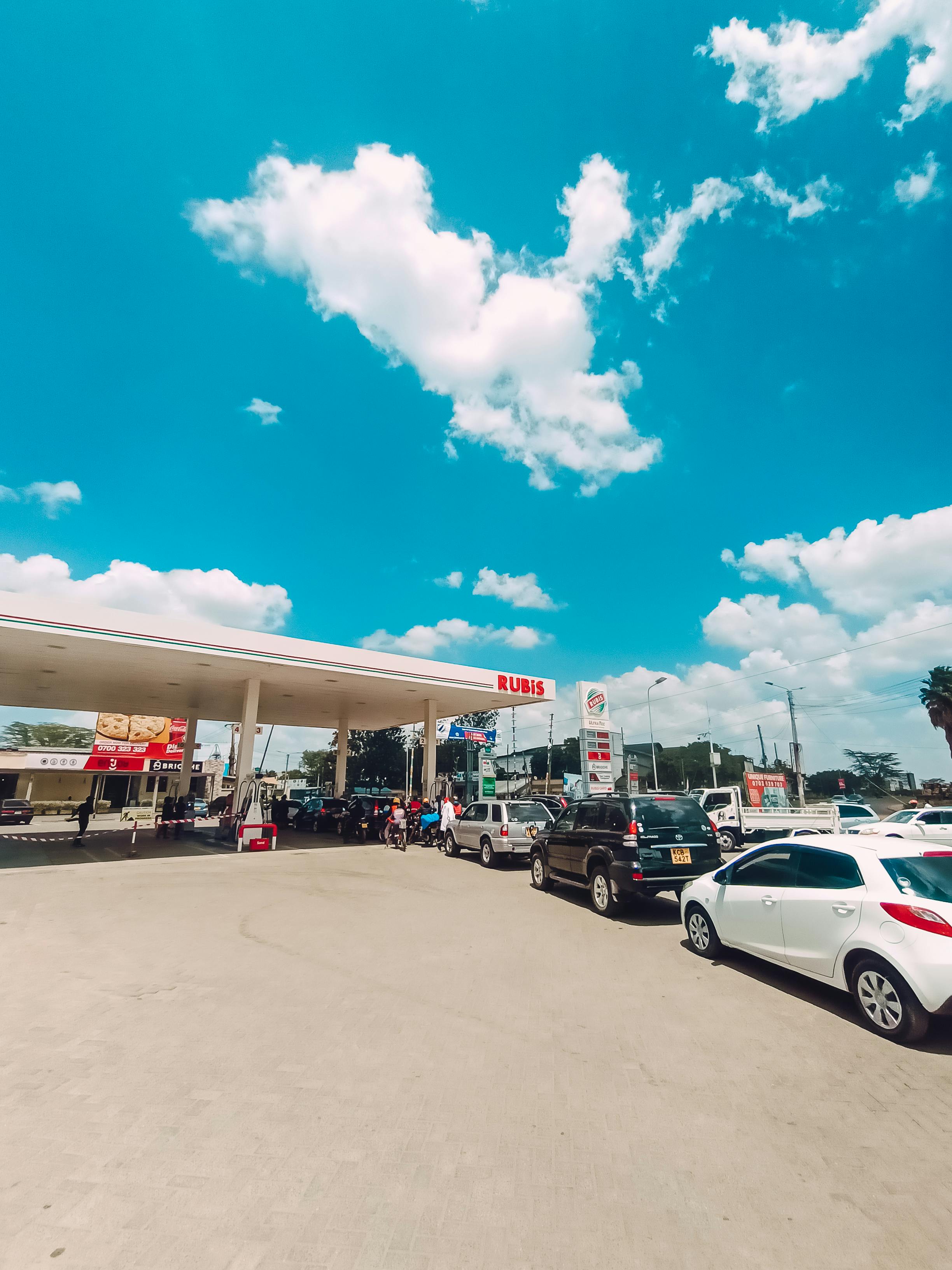
Step 1 — Fuel. Right now. Before anything else.
Get in your vehicle and go fill the tank. Every vehicle in your household. While you're there, fill your gas cans if you have them.
- Fill every vehicle in your household — don't wait, do it first
- Fill your generator gas cans (2–4 five-gallon cans if possible)
- Add fuel stabilizer (STA-BIL) to stored cans — prevents degradation
- Note which nearby stations still have fuel for others in your network
If you pass a station with a long line, keep driving. There will be shorter lines at stations slightly off the main evacuation routes. Side streets, rural stations, and stations in neighborhoods slightly inland from the coast are your best bet.
Step 2 — Cash from the ATM
Get $200–$500 in small bills. After a major storm, ATMs go offline and card readers don't work without power. For days or weeks after landfall, cash is king. A $20 bill can buy fuel from a neighbor. It can tip the person who clears a tree from your driveway. It can pay for a meal at the one restaurant running on generator power.
Step 3 — Dollar General first, then Walmart, then Home Depot
Most people instinctively go to Walmart or Home Depot first. That's exactly where the crowds are. Hit Dollar General first — they restock less frequently but are also hit less hard in the first rush. Get your canned food, batteries, water, and hygiene basics there.
Then Walmart for water cases, ice, and bulk food. Then Home Depot or Lowe's for tarps, plywood, and generator supplies if you still need them.

Step 4 — Prescriptions
Call your pharmacy and request emergency early refills for every prescription in your household. Most insurers will authorize early refills for a 30-day supply when a disaster declaration is in effect. Ask the pharmacist specifically — they know the process and can usually process it same-day.
If you use a CPAP, oxygen concentrator, or other powered medical equipment, now is the time to confirm your battery backup is charged and your equipment is ready.
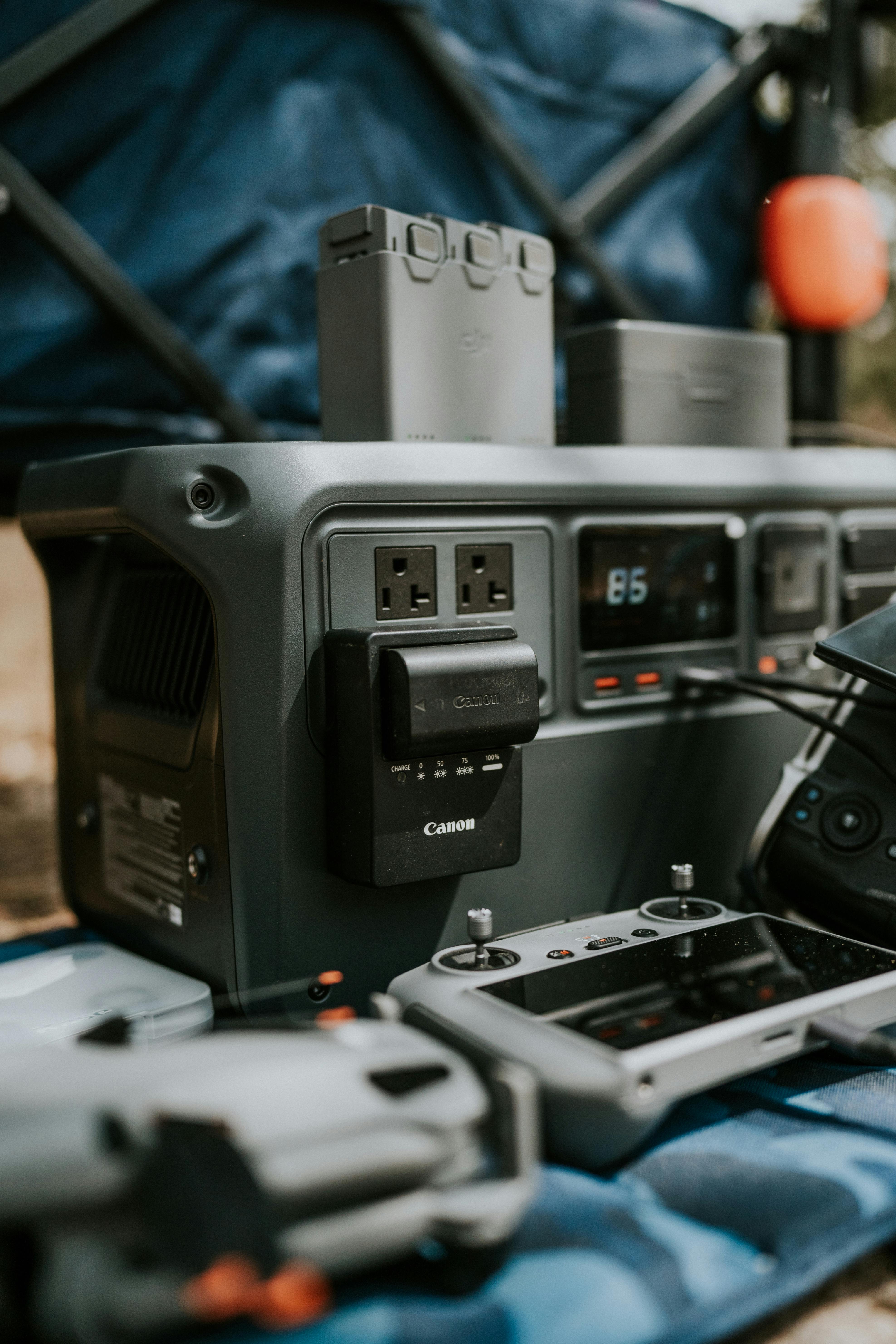
Step 5 — Charge everything
- All phones and tablets — to 100%
- Every portable power bank you own
- CPAP battery backup, power wheelchair, hearing aids
- Laptop computers (they run surprisingly long on battery)
- Rechargeable flashlights, headlamps, and lanterns
Step 6 — Call your shutter installer if you need help
If you have accordion shutters or roll-down shutters that need service, or if you planned to hire someone to install storm panels, call now. Installer waitlists fill within hours of a storm being named. The same installers who were available yesterday at a normal rate will be fully booked tomorrow at premium prices — if they're available at all.
If you have shutters already and can install them yourself, don't do it yet. Wait until the 48-hour window when a Watch is issued. Doing it now and then having the storm shift course wastes time you'll need for other prep.
Step 7 — Notify your people
This is the most underrated step. Call or text the people in your life and confirm:
- Where everyone is and their current plan
- Whether elderly parents, relatives, or neighbors need help getting supplies or evacuating
- What your communication plan is if cell service goes down (a designated out-of-state contact both sides can text is the standard approach)
- Who has a generator, who needs one, who has space for someone who needs to evacuate
Step 8 — Don't believe a single forecast track
The forecast cone is not a precision instrument. A storm can shift 60–100 miles from the current projected track within 48 hours. If you're on the "edge" of the cone today, assume you're in the bullseye tomorrow. Do not reduce your preparation because the storm looks like it will hit somewhere else.
Prepare as if it's a direct hit. Be pleasantly surprised if it isn't.