What a Hurricane Warning means
A Hurricane Warning means hurricane conditions are expected within your area within 24 hours. This is not a watch. This is not a "maybe." At this point, the storm will hit your area. The only question is exactly where and how strong.
The time for shopping, planning, and big decisions is over. The next 24 hours are about execution, final checks, and getting your family safe.
Final shutter check — close every opening
Walk the entire perimeter of your home. Every window. Every door. Every opening.
- All windows — shuttered and locked, wing nuts snug
- All exterior doors — shuttered if applicable, deadbolted
- All sliding glass doors — shuttered and pin-locked
- Garage doors — hurricane-rated or braced with a vertical brace kit
- Any skylight or roof opening — shuttered or covered
- Pet doors — cover with plywood or remove and seal the opening
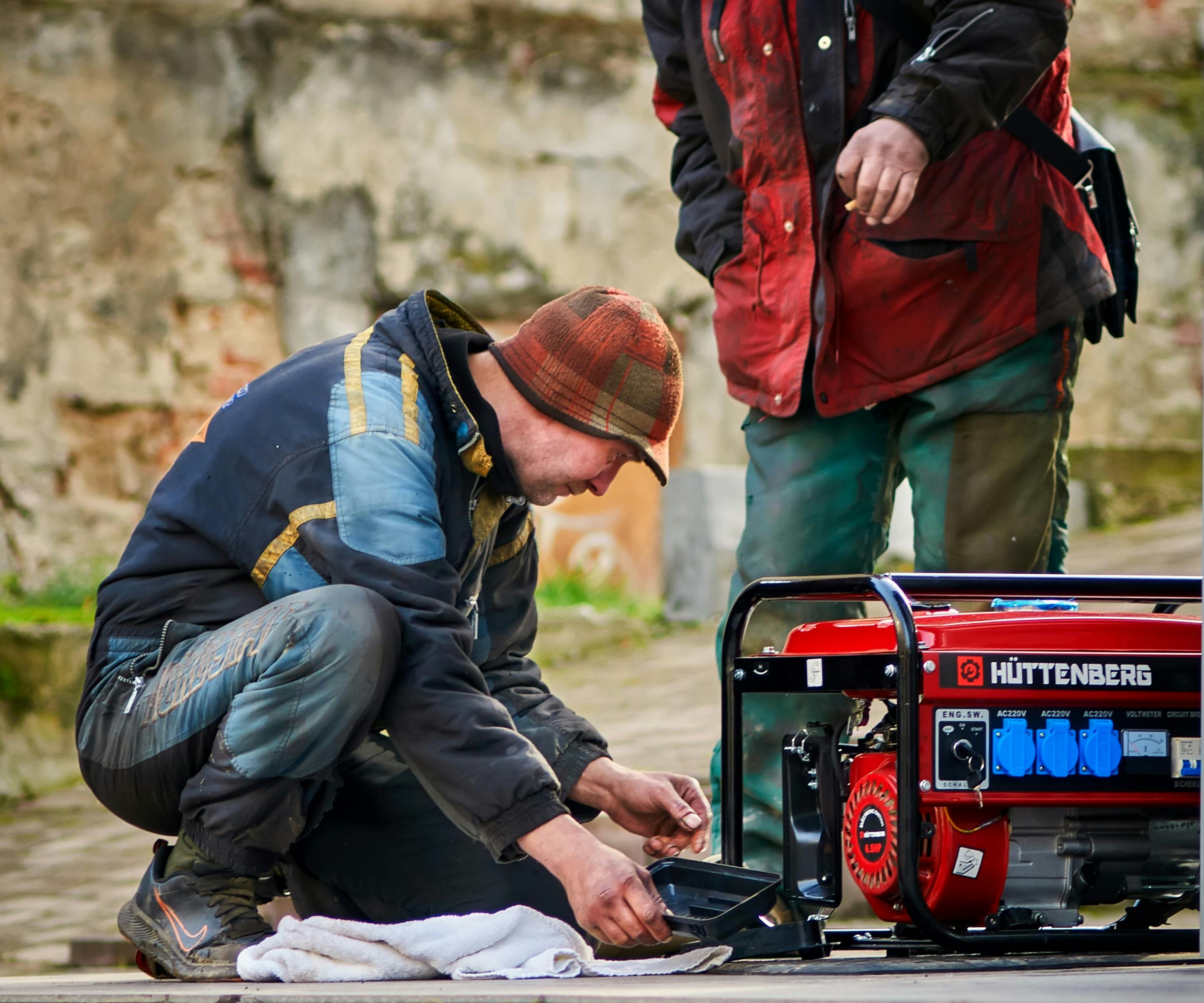
Generator — fill, test, position
- Fill generator with fresh fuel — add stabilizer if topping off stored fuel
- Test-run the generator OUTDOORS — confirm it starts and runs cleanly
- Position it at least 20 feet from any door or window — CO travels fast
- Run your 12-gauge extension cord from generator to house — confirm length is adequate
- Verify CO detectors are working and batteries are fresh — replace if any doubt
Secure valuables and electronics
- Move electronics off the floor — water intrusion starts low
- Unplug everything except essential devices — power surges when electricity returns can destroy electronics
- Move irreplaceable items (photos, heirlooms) to interior rooms on high shelves
- Wrap electronics you can't move in plastic bags — even partial water resistance helps
Medical equipment — final check
- CPAP battery backup — fully charged and within reach of sleeping area
- Power wheelchair / scooter — fully charged
- Oxygen concentrator — have backup portable O2 available or arrange transport to medical shelter
- Insulin — stored in a small cooler with ice or cooling packs
- All medications — 72-hour supply accessible in go-bag or shelter room
Find your safe room
Your safe room is the interior room of your home with the fewest windows, on the lowest floor that is not in a flood zone, with the most structural walls between you and the outside.
Ideal safe rooms: interior bathroom, closet, or hallway on the lowest floor. Put mattresses, sleeping bags, or couch cushions against the walls for additional protection from debris.
- Identify the safe room and tell every household member where it is
- Stage supplies in or near the safe room: water, flashlights, phone chargers, medications
- Put shoes in the safe room — you'll need them if you have to walk through debris
- Bring a battery-powered or hand-crank NOAA weather radio into the safe room
- Keep a pair of work gloves in the safe room — for clearing debris to escape if needed
Check on your people
In the next few hours, do a final check-in with everyone in your network:
- Confirm elderly neighbors or family members are safe and have what they need
- Share your shelter-in-place address with an out-of-area contact
- Establish a check-in time for after the storm passes
- Make sure everyone knows: don't call 911 for property damage during the storm — they're responding to life-safety emergencies only

When the storm hits — what to expect
During the storm, stay in your safe room. Do not go outside during the eye. The back eyewall is often worse than the front — winds shift direction and can be more intense. Wait for official all-clear from local emergency management before stepping outside.
Power will likely go out. Your home will creak and flex — this is normal. If you hear what sounds like a freight train (the classic description of a tornado embedded in the storm), get as low as possible immediately.