Why the government tells you 72 hours
The Federal Emergency Management Agency has told Americans to prepare for 72 hours since the 1980s. Three days of food, water, and supplies. It sounds reasonable. It fits on a brochure. It doesn't scare anybody.
It's also politically calculated. Telling the American public "you're on your own for 3 weeks" triggers panic, demands for accountability, and uncomfortable questions about emergency infrastructure. Telling them "72 hours" keeps everyone calm and manageable.
What FEMA actually means when they say "72 hours"
72 hours is the estimate for how long it takes first responders to begin reaching affected areas after a major disaster. It was never meant to represent how long the crisis will last. It's the minimum time before help might arrive at all — not how long you'll need to survive without it.
After Hurricane Katrina, FEMA's own internal review admitted the 72-hour standard was "inadequate for catastrophic events." That was 2005. The standard hasn't changed. The disasters have gotten worse.
The reality is simple: modern disasters — intensified by climate patterns, aging infrastructure, and overwhelmed supply chains — routinely last 2 to 4 weeks before most affected households return to anything resembling normal life. For rural communities, isolated coastal areas, and low-income neighborhoods, it can be much longer.
The evidence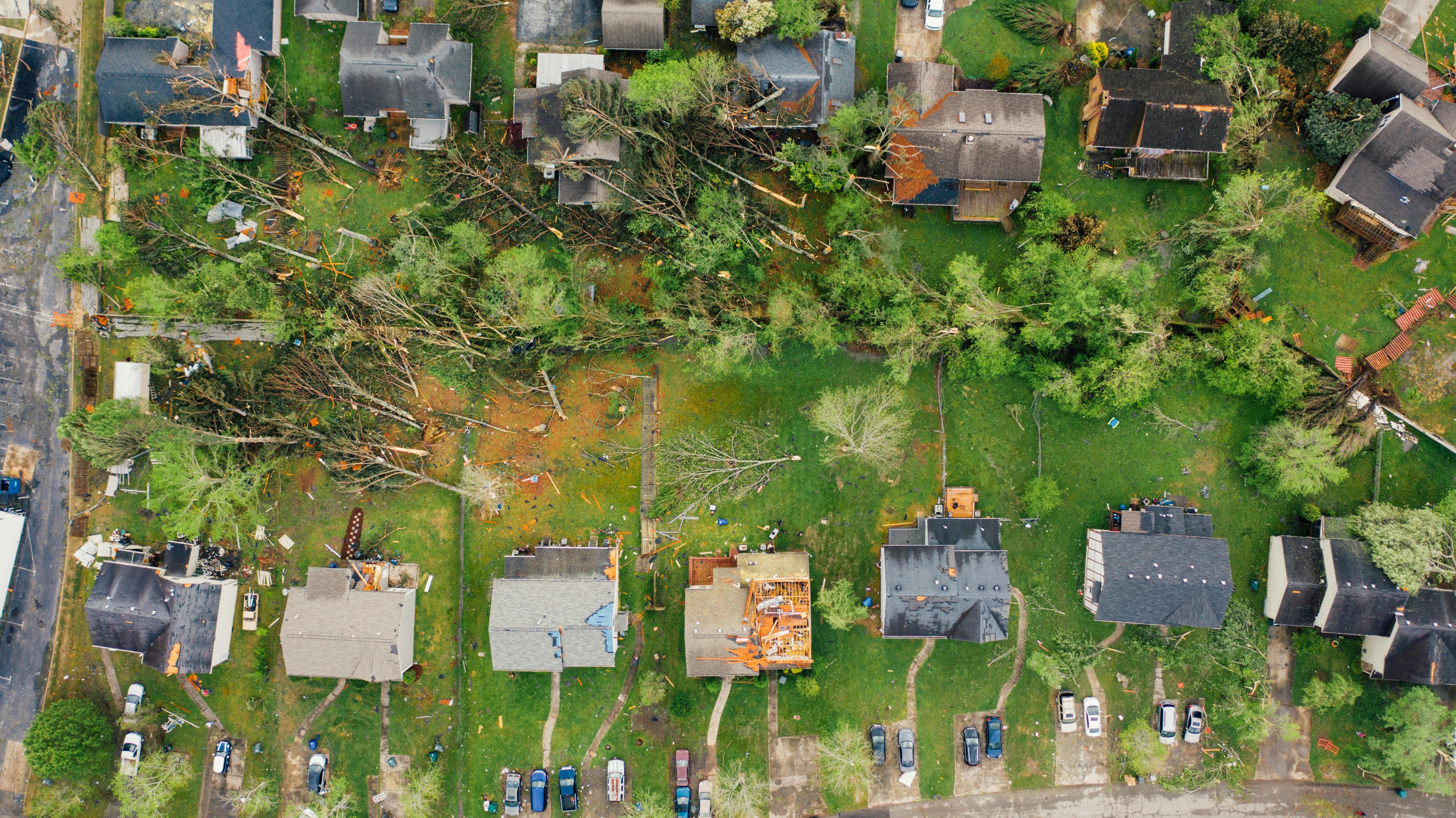
The last decade proves the point
These aren't edge cases. These are the largest disasters of the last ten years. In every single one, the 72-hour window passed before most families had reliable access to power, food supply chains, or passable roads.
The real number is 21 days minimum
Based on the average duration of the 10 largest U.S. disasters since 2005, here's what a realistic timeline looks like for a household in a major hurricane, flood, wildfire, or winter storm event:
📅 What each week actually looks like
A 21-day supply list — by disaster type
Not all disasters require the same preparation. Here's what changes based on what you're facing:
🌀 Hurricane
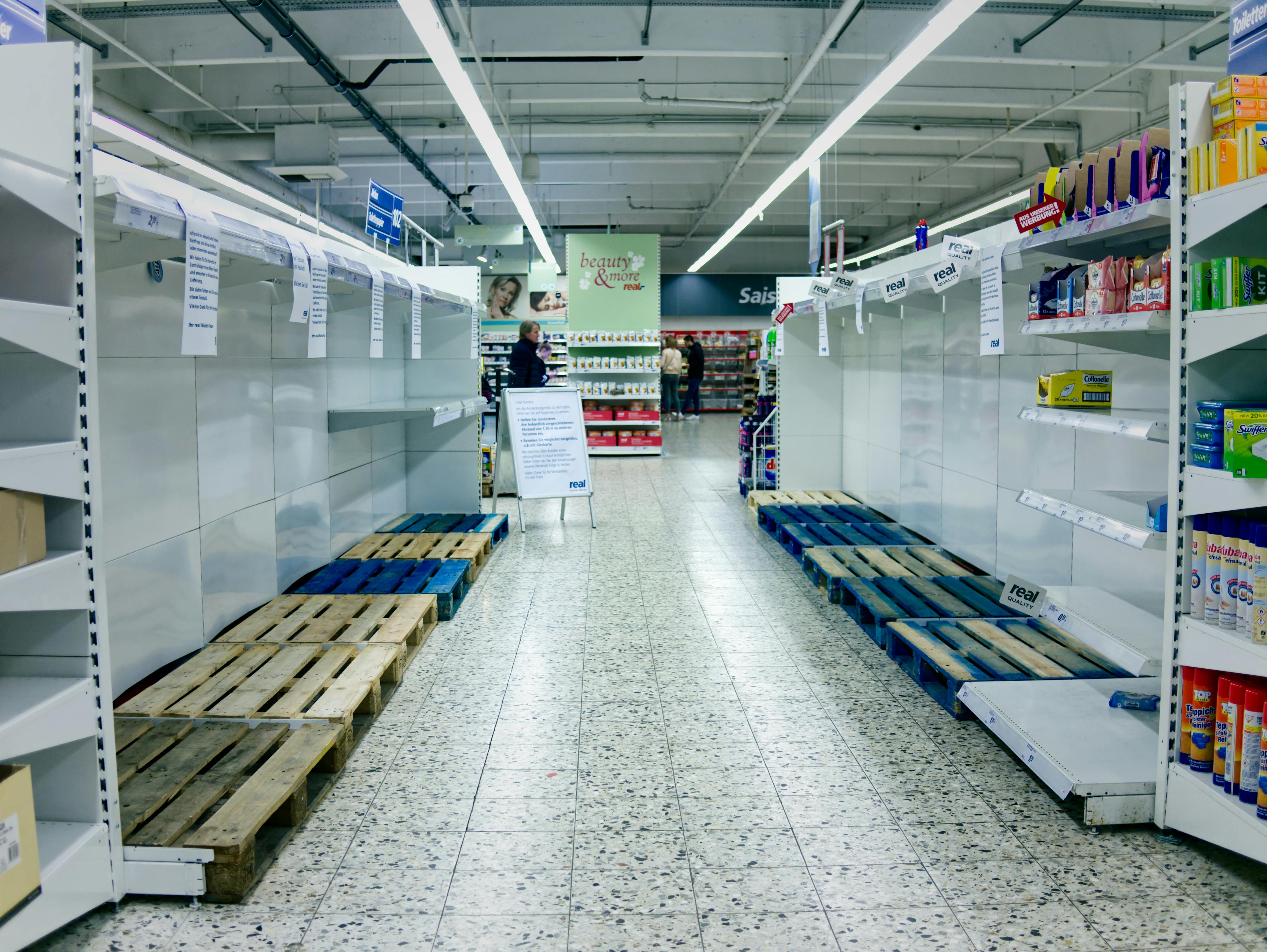
You get warning. Use it. Your biggest challenge is that stores empty 48–72 hours before landfall and don't restock for days or weeks after. Everything needs to be in your home before the storm watch is issued. Fuel is the first thing to disappear — fill up the moment a storm enters the Gulf or Atlantic.
- Water: 1 gallon per person per day × 21 days. That's 21 gallons per person. Store in food-grade containers, not just bottles.
- Food: Non-perishable, no-cook options. Canned goods, peanut butter, dried beans, rice, granola bars. Enough for 3 weeks without a grocery run.
- Generator fuel: If you have a portable generator, plan for 6–8 hours of runtime per day × 21 days. That's 50–80 gallons of stabilized fuel.
- Ice or a quality cooler: A 5-day cooler (Yeti, RTIC, Igloo Maxcold) can stretch your refrigerator food significantly if you use block ice.
- Cash: $300–$500 in small bills. ATMs go offline. Card readers don't work without power.
- Medications: 30-day supply of every prescription in the household.
🔥 Wildfire
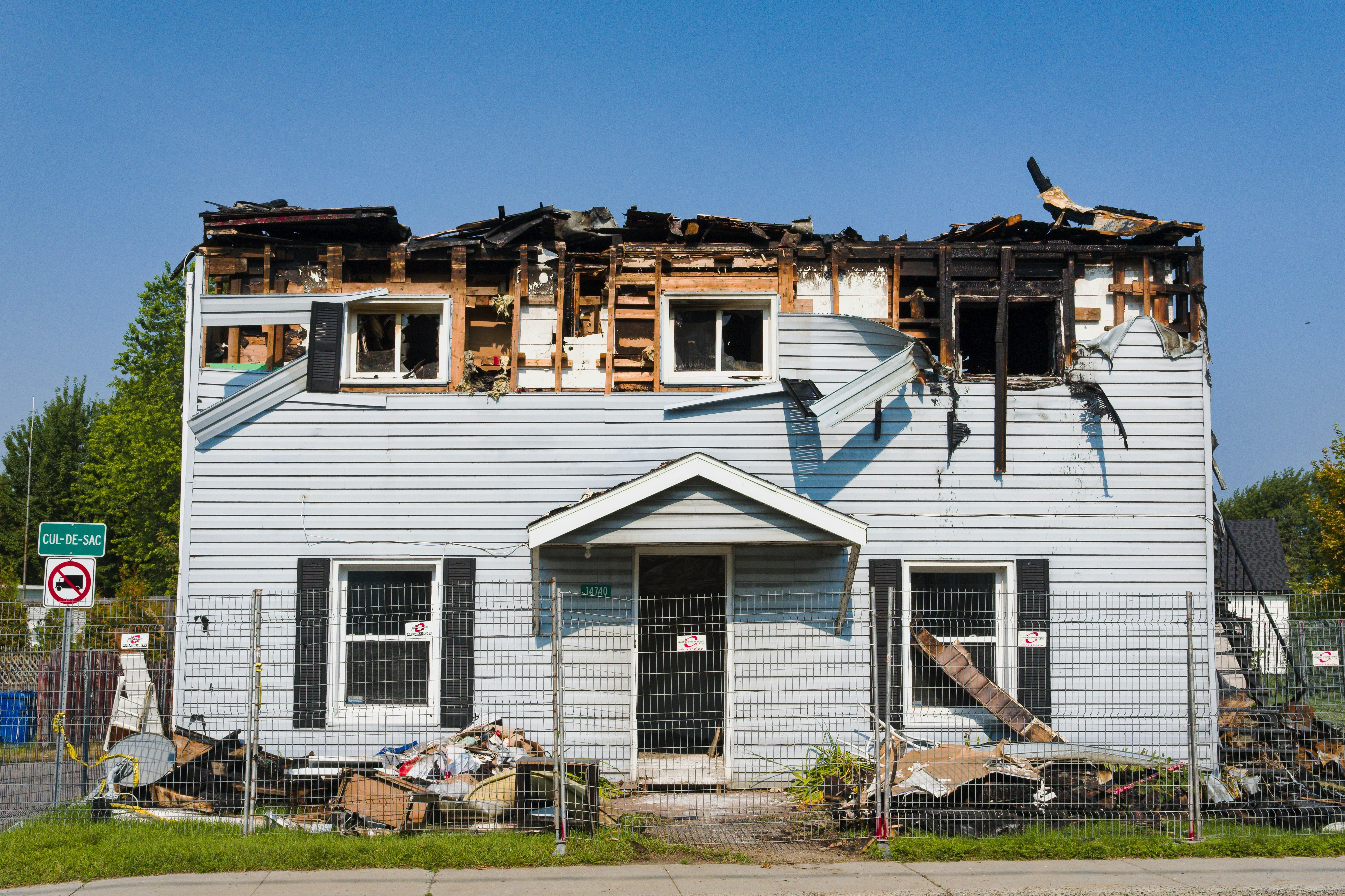
You may get minutes to evacuate. Unlike hurricanes, wildfires don't give days of warning. Your preparation must be done entirely in advance, and your go-bag must be by the door.
- Go-bag: Pre-packed, ready to grab in 2 minutes. Documents, medications, phone chargers, 3 days of clothes, cash, water, food bars.
- Documents in a fireproof bag or scanned to cloud: Insurance policy, IDs, deed/lease, vehicle title, passports.
- Evacuation route planned: Know two ways out of your neighborhood. Fires can block roads in both directions.
- Air quality supplies: N95 masks for every household member. Wildfire smoke is immediately dangerous.
- Shelter plan: Know where you're going. Hotel, family out of the region, emergency shelter location.
🌊 Flood
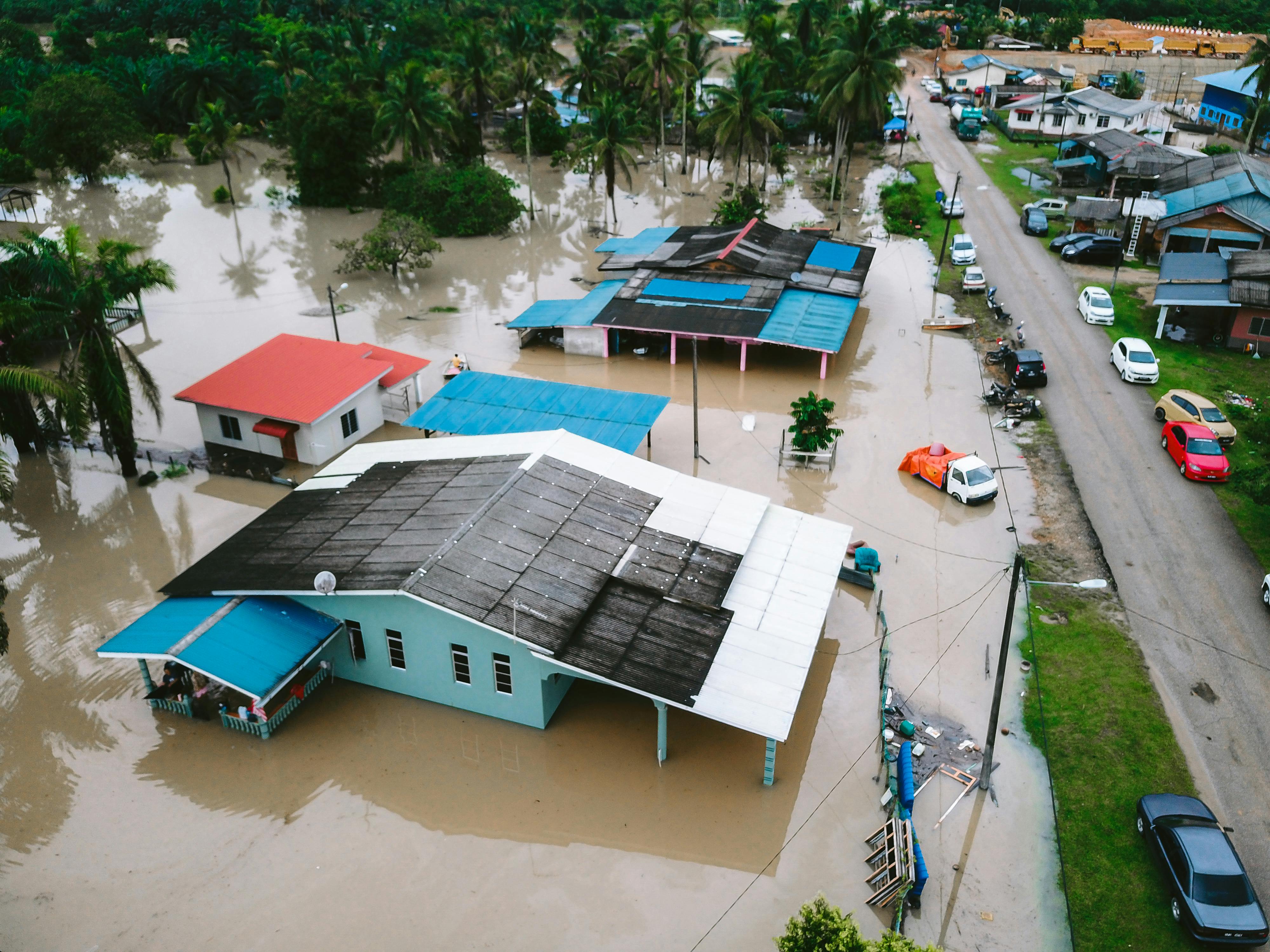
Flooding is the most common U.S. disaster and the most underestimated. Flash floods can occur in areas with no prior flood history. The danger isn't just the water — it's what happens when roads stay flooded for days and supply chains collapse.
- Never drive through flooded roads. Six inches of moving water can knock a person down. Two feet will carry away most vehicles.
- Waterproof everything important. Documents, medications, electronics go in waterproof bags on high shelves.
- Manual water pump or gravity-fed water filter: City water systems are frequently contaminated after major flooding. A Berkey or LifeStraw filtration system can be the difference between safe water and illness.
- Boat or kayak if you live in a low-lying area: Sounds extreme until it's not. Neighbors in Harvey neighborhoods went weeks relying on personal watercraft.
❄️ Winter Storm / Power Grid Failure
Cold kills quietly. The Texas 2021 event killed over 200 people — most from hypothermia in their own homes. The challenge is that cold weather makes almost everything harder: pipes burst, vehicles won't start, and carbon monoxide from improper heating kills families who didn't know better.
- Never run a generator, grill, or camp stove indoors. CO poisoning kills silently and quickly.
- Sleeping bags rated to 0°F for every household member. In a power outage in winter, your home will reach outdoor temperatures within 24 hours.
- Propane heater rated for indoor use (Mr. Heater Buddy series) with CO detector — the only safe indoor heating backup.
- Pipe insulation and a plan for dripping faucets to prevent freezing.
- Freeze-resistant water storage: Standard plastic water containers crack in freezing temps. Use food-grade metal containers or store water in an interior room.
What your neighbors can provide — and what you can offer
The most underused disaster resource isn't at Home Depot. It's next door. In every major disaster, the most effective relief came not from FEMA or the National Guard but from neighbors helping neighbors in the first critical days before official aid arrived.
Before the next storm or disaster, have these conversations with the people around you:
🔌 Who has a generator
Know which neighbors have a working generator and what capacity it has. A whole-home standby can run a neighbor's CPAP machine. A portable can charge phones for the block.
🚗 Who has a truck or high clearance
After flooding or debris, a 4WD truck can reach places sedans can't. Knowing who on your street has one could mean the difference between getting out and being stranded.
🧰 Who has tools and skills
Chainsaws for downed trees. Tarps and roofing experience. Medical or nursing background. Plumbing knowledge. Skills don't expire and they can't be stripped from shelves.
💊 Who has medical needs
Know if any of your neighbors depend on powered medical equipment, insulin refrigeration, or oxygen concentrators. They may need your generator before you do.
🥫 Shared food and water
A neighborhood that collectively has 3 weeks of food is stronger than each household individually having 3 days. Consider a simple pre-storm check-in to pool resources.
👴 Elderly and mobility-limited neighbors
Check in before the storm, not after. Offer to help secure their home, pick up supplies, or include them in your evacuation plan if needed.
Community mutual aid networks have emerged in nearly every major disaster area in the last decade. After Harvey, local Facebook groups coordinated boat rescues. After Ian, neighborhood WhatsApp threads tracked which roads were passable. After Helene, volunteers formed spontaneous supply chains into cut-off mountain communities. Your network is your infrastructure.
Where to get what you needThe best stores for disaster preparedness — and what to buy at each one
Not every store is equal when it comes to disaster prep. Here's exactly where to go for each category — before the shelves are empty.
See our complete store-by-store guide
We break down exactly what to buy at Home Depot, Lowe's, Harbor Freight, Tractor Supply, and Dollar General — organized by disaster type, priority, and budget.
The general priority order for shopping
When a storm is named and you have 48–72 hours, hit stores in this order. Each one will have different shortages:
| Store | Go here first for | When it sells out |
|---|---|---|
| 🟢 Gas station | Fuel for vehicles and generator | Within 12–24 hours of watch |
| 🟡 Dollar General / Dollar Tree | Canned food, water, batteries, hygiene | 24–36 hours of watch |
| 🟠 Walmart / Grocery store | Water cases, shelf-stable food, ice | 24–48 hours of watch |
| 🔴 Home Depot / Lowe's | Generators, tarps, plywood, batteries, water containers | 36–60 hours of watch |
| 🟤 Tractor Supply | Propane, water storage tanks, animal feed, tools | Often less crowded — a hidden gem |
| ⚫ Harbor Freight | Generators, power tools, inverters, extension cords | Often overlooked until too late |
The most important thing you can do right now
Don't wait for a named storm. The shelves are full today. The stores are open. Nothing is on backorder. Every item on your list costs the same today as it will in three months — except that in three months, it might not be on the shelf at all.
Build your kit now. A little at a time. Start with water. One case of water is $4. Two 5-gallon jugs from Tractor Supply are $12. That's a week of drinking water for one person for $16. There is no excuse for not starting today.